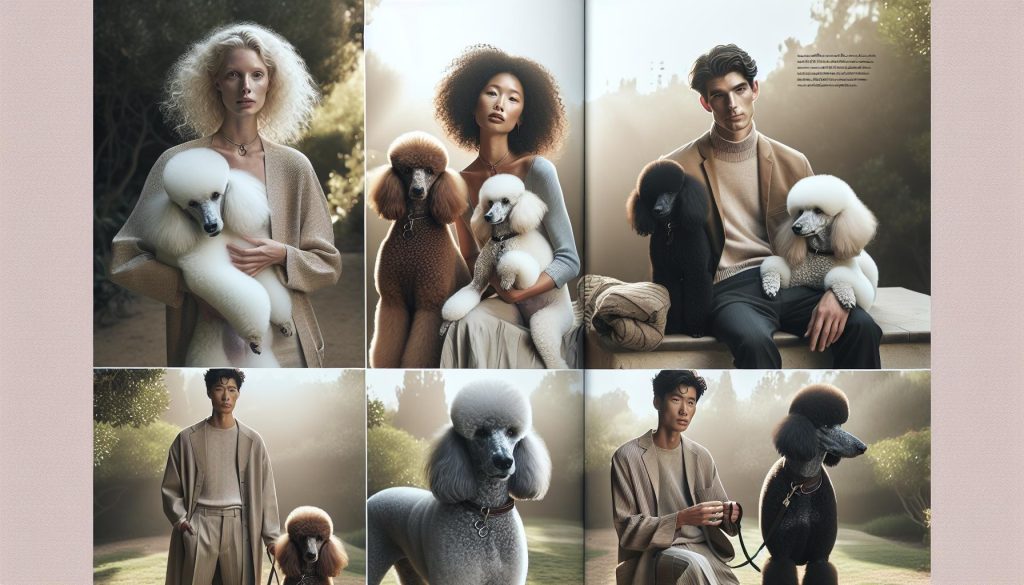
Did you know that poodles come in a stunning array of colors that can make your heart skip a beat? From the elegant cream to the striking apricot, understanding the colors that poodles can exhibit not only aids in choosing the perfect companion but also enriches your knowledge about this beloved breed. Colors play a significant role in a poodle’s identity and breed standards; some even influence their health and grooming needs. Whether you’re a prospective owner looking for your fluffy friend or a long-time enthusiast eager to deepen your appreciation, this complete coat color guide will unveil the diverse palette of poodles. Join us as we explore the enchanting colors of these intelligent and spirited dogs, helping you make informed decisions and appreciate the beauty of this remarkable breed even more. Your journey into the colorful world of poodles starts here!
What Are the Different Poodle Coat Colors?
Poodles are truly a marvel in the canine world, celebrated not only for their intelligence and playful nature but also for their stunning variety of coat colors. Understanding the range of colors can help prospective owners choose the right Poodle for their lifestyle and preferences. Common colors for Poodles include black, white, apricot, and gray, each of which showcases the breed’s beautiful and hypoallergenic coat. Additionally, you’ll discover more nuanced shades such as silver, cream, and blue, providing further options for your ideal furry companion.
Interestingly, Poodles can also inherit a variety of patterns, such as phantom or party. Phantom Poodles feature a two-color pattern with specific markings, often in contrasting shades, while party Poodles have large patches of two different colors mixed throughout their coat. This diverse palette means there’s a Poodle to match nearly every owner’s aesthetic preference and personality, making them an appealing choice for families and individuals alike.
When selecting a coat color, it’s essential to consider not just appearance but also the potential for color changes as the dog matures. For example, an apricot puppy may deepen to a rich red by adulthood, while a gray Poodle could begin life with dark fur that lightens over time. Understanding these transitions can help owners manage expectations and plan for grooming needs, as coat maintenance can vary with the color and texture. Remember, each Poodle is unique, showcasing their individuality through their coat, personality, and charm-making them ever more special in our lives.
Understanding Poodle Color Genetics
Poodle coat colors are not just a beautiful aesthetic; they are a fascinating reflection of genetics at work. Each Poodle’s coat color is influenced by the presence of specific genes inherited from its parents. Understanding these genetic principles can help prospective owners appreciate their pet’s unique appearance and can guide breeding decisions for those interested in helping enhance or preserve coat colors within the breed.
The primary genes responsible for coat color variations in Poodles can be grouped into two main categories: the A locus and the B locus. The A locus determines the presence of black or brown pigmentation, while the B locus influences whether the coat appears solid or has patterns, such as party or phantom. For instance, a Poodle that has dominant alleles at the A locus paired with recessive alleles at the B locus may exhibit a solid black color, while diluted colors such as apricot or cream can arise from specific combinations of these genes.
Interestingly, Poodles not only showcase a dazzling array of solid colors but are also known for their unique patterns. Patterns such as “party,” where large patches of two colors mix throughout the coat, stem from specific combinations of genetic factors and can be inherited even if the parents are solid-colored. It’s essential for breeders to understand these genetics to ensure the health and quality of the puppies they produce.
For new owners, knowing that a Poodle’s coat color may change as it grows is crucial. For example, an adorable red puppy might darken or change as it matures, revealing the underlying genetic color as it sheds its puppy coat. This shifting in color can be an exciting part of owning a Poodle, as their appearance can evolve dramatically over time. Understanding these genetic foundations not only deepens your connection with your Poodle but also allows you to appreciate the incredible diversity within the breed more fully.
Exploring Standard, Miniature, and Toy Poodles
Poodles are not just recognized for their intelligence and playful nature; they also come in three distinct sizes: Standard, Miniature, and Toy. Each size has its own unique traits, including how they present their beautiful coat colors. While the breed standard allows for a stunning array of colors across all sizes, your choice of size may influence the color you’re drawn to, and understanding these variations can enhance your experience as a Poodle owner.
Standard Poodles, being the largest of the trio, typically weigh between 40 to 70 pounds and stand over 15 inches tall at the shoulder. They’re known for their elegant stature and often bold color choices. Popular colors for Standard Poodles include black, white, and apricot, but they can also be seen in fascinating combinations like parti-color, where they have large patches of different colors. Their striking presence makes them a favorite in shows, where their coat patterns can truly shine.
Miniature Poodles, weighing 10 to 15 pounds and standing 10 to 15 inches tall, bring a delightful mix of charm and agility. Their coat colors are similar to the Standard, but their compact size often emphasizes the richness of their hue. This size is very versatile, often adored for their ability to thrive in both large homes and small apartments. With colors ranging from silver to blue, Miniature Poodles can be just as varied as their larger counterparts, pleasing owners who appreciate both size and color variety.
Toy Poodles are the smallest, usually weighing under 10 pounds and standing no more than 10 inches tall. These pint-sized pups steal hearts with their teacup proportions and lively personalities. Common colors include red, cream, and chocolate, with the same beautiful patterns found in their larger relatives. The Toy Poodle’s size often means that their color might appear more vibrant because of their smaller surface area, leading to a striking visual effect.
Regardless of which size you choose, all Poodles require regular grooming and care to maintain their coats. Here are a few essential tips for each size:
- Standard Poodles: Regular brushing is crucial to prevent matting due to their long hair. Consider scheduling professional grooming every 4 to 6 weeks.
- Miniature Poodles: They may need slightly less grooming than Standards but still require regular care to keep their coats looking sleek and shiny.
- Toy Poodles: Being so small, ensure to check their coats frequently for tangles and matting, focusing on delicate areas like behind the ears.
Understanding the differences in the various Poodle sizes and their potential coat colors not only helps in choosing the right companion but also prepares you for the grooming responsibilities that come with each unique Poodle. With a little patience and commitment, you can enjoy the beauty of a Poodle’s coat, regardless of its size or color!
Rare and Unique Poodle Coat Colors to Know
Poodles are known for their beautiful coats, but did you know that certain colors are considered rare and unique? These distinctive shades not only make your Poodle stand out in a crowd but also reflect fascinating genetics at play. Among the rarer colors you’ll encounter are blue, silver, and phantom. Each of these colors holds its own charm and appeal, inviting admiring glances wherever you go.
One of the most coveted rare colors is blue, which appears as a rich, deep gray-blue with an almost metallic sheen. This striking color typically appears in the coat of Standard Poodles, and finding a blue Poodle can feel like a treasure hunt, as the hue is quite rare. There’s also the enchanting silver color, which often looks more like a shimmering light gray. Silver Poodles have dark points and a coat that appears almost ethereal in different lighting. These colors not only add to the Poodle’s elegance but also serve as a talking point among enthusiasts and dog lovers.
Then you have phantom Poodles, a stunning combination of two or more colors, such as black with tan or brown with cream. The “phantom” pattern often includes a base color with darker patches on the legs, muzzle, and eyebrows, creating a visually interesting effect. Phantom colors are not only eye-catching but also showcase the gorgeous variety that Poodles can embody. This multi-color aspect means they may require a bit more grooming attention to keep the different hues looking their best, but many owners find the effort well worth it.
If you’re considering a unique coat color for your future Poodle, it’s essential to work with reputable breeders who can provide insights into the genetics behind these rare colors. Understanding your Poodle’s pedigree can help you appreciate the traits that come with their beautiful coat. Remember, whichever color you choose, providing your Poodle with the necessary grooming and care will enhance their natural beauty and keep their coat looking as vibrant as possible. The journey to finding the perfect colored Poodle is not just about aesthetics but also about the joy and companionship they bring into your life.
Color Variations in Poodles: A Visual Guide
Poodles come in a mesmerizing array of colors and patterns, making them one of the most visually diverse breeds in the canine world. With their vibrant coats, Poodles not only capture hearts but also showcase the stunning beauty of dog genetics. Understanding how these variations arise can enrich your appreciation for this beloved breed and assist you in selecting the perfect dog to match your lifestyle and aesthetic preferences.
One of the most striking characteristics of Poodles is their ability to exhibit several distinct colors, including the more common shades like black, white, cream, gray, and apricot, as well as rarer hues such as blue, silver, and phantom patterns. Each of these colors can be understood better when categorized into solid colors, multi-colors, and patterns. For instance, solid colors are consistent throughout the coat, while multi-colored Poodles exhibit a blend of two or more colors-phantom Poodles are a prime example, bringing a wonderful contrast that highlights the playful nature of the breed.
Visual Guide to Poodle Colors
To provide you with a clearer understanding of these colors, here’s a simple table representing common Poodle colors and their characteristics:
| Color | Characteristics |
|---|---|
| Black | A deep, rich shade that is classic and elegant. Tends to be shiny and requires regular grooming to maintain its luster. |
| White | Bright and pure, white Poodles often need more grooming to prevent discoloration. They have a radiant quality that stands out. |
| Cream | A soft, light hue that can appear almost golden. Cream Poodles are adored for their gentle looks. |
| Gray | A sophisticated color that can range from silver to slate gray, depending on the lighting and age of the dog. |
| Blue | A rare and striking gray-blue, often described as having a metallic sheen. This color is typically found in Standard Poodles. |
| Phantom | These Poodles showcase a base color with lighter and darker markings, often resembling patterns on a painter’s palette. |
| Apricot | A warm, reddish-gold hue that is very popular among Poodle enthusiasts. This color gives a friendly and playful appearance. |
These vibrant coat colors not only add visual appeal but can also carry implications for grooming and maintenance routines. A Poodle with a darker coat, such as black or blue, may require different care compared to lighter shades to maintain color depth and prevent matting. Regular brushing and appropriate dog shampoos tailored to your Poodle’s specific color can enhance their natural beauty and keep their coats looking fresh.
Ultimately, choosing a Poodle based on coat color can be a reflection of your personal style, but it should also take into consideration factors such as the grooming needs and temperament you desire. Engaging with other Poodle owners and enthusiasts-perhaps through platforms like the Poodle Forum-can provide you with insights and support tailored to your needs and preferences as a proud Poodle parent.
How to Care for Your Poodle’s Coat Color
Taking care of your Poodle’s coat color is an essential part of ensuring not just their appearance, but also their overall health and happiness. Did you know that different coat colors can require varied grooming approaches? For instance, a stunning black Poodle may show dirt and dust less than a white one, but both need regular attention to keep their coats healthy and vibrant. Here are some practical tips to keep your Poodle looking fresh and fabulous, regardless of their hue.
To maintain your Poodle’s coat color, establish a regular grooming routine. Here are essential steps to consider:
- Brushing: Aim to brush your Poodle’s coat at least once a week. For those with longer hair, daily brushing might be necessary to prevent matting. Use a slicker brush for detangling, and a pin brush afterward to smooth it out.
- Bathing: Bathe your Poodle every 4-6 weeks, or as needed. Choose a shampoo that is suitable for their specific coat color-there are special shampoos designed to enhance black or white coats. Avoid using human shampoos as they can be too harsh on your dog’s skin.
- Conditioning: Consider a conditioner during bath time, especially for longer-haired Poodles. This helps to keep their coats hydrated and prevents breakage, which can dull their color.
- Trimming: Regular trims, at least every 6-8 weeks, not only keep your Poodle looking chic but also reduce the chances of tangles and mats that can affect the color. Look for a groomer experienced with Poodles, as they can offer advice tailored to the specific needs of your dog’s coat color.
It’s essential to monitor how their coat reacts to different grooming products. Always check for skin sensitivities, especially with lighter-colored Poodles who may be more prone to showing stains or discoloration. If they happen to roll in mud or get into something they shouldn’t, a quick rinse can help keep their coat looking bright.
When it comes to diet, nutrition plays a vital role in the health of your Poodle’s coat. Feeding them a balanced, high-quality dog food rich in omega fatty acids will promote shiny, healthy fur. Remember that hydration is equally important; always ensure they have access to fresh water.
By taking these steps, you not only enhance your Poodle’s aesthetic appeal but also contribute to their well-being. Keeping their coat clean and well-maintained reflects the love and care you put into being a Poodle parent!
Common Myths About Poodle Colors Debunked
Many potential Poodle owners are often puzzled by the various myths surrounding Poodle coat colors. One common misconception is that a Poodle’s coat color can indicate behavior or temperament. However, this is far from the truth; a Poodle’s behavior is largely influenced by training, socialization, and individual personality rather than its color. In fact, all Poodles, regardless of whether they’re black, white, apricot, or any other hue, share similar traits of intelligence, loyalty, and affectionate nature.
Another prevalent myth is that certain coat colors are more prone to health issues. While it’s true that some breeds have specific genetic predispositions, coat color itself does not inherently cause health problems. For instance, a black Poodle is not more likely to experience health issues than a cream or brown one. What’s important is choosing a reputable breeder who conducts health screenings on their breeding dogs, ensuring that you’re getting a healthy pup regardless of color.
Some people believe that specific colors are more rare and, subsequently, more expensive. While it is true that certain colors might be less common in some Poodle breeds, prices often vary based on demand and breeder practices rather than color alone. For example, while merle patterns can indeed be sought after, the rarity of such colors does not equate to an automatic health benefit or perceived superiority.
When considering adopting or buying a Poodle, it’s essential to focus on finding a well-bred dog that suits your lifestyle rather than fixating solely on coat color. Understanding these myths helps current and future Poodle owners make informed decisions and embrace the unique beauty and individuality of each dog, so you can enjoy the companionship of your Poodle, irrespective of its color.
Choosing the Right Poodle Color for You
When it comes to selecting the perfect Poodle, the world of coat colors adds an exciting layer to the decision-making process. With hues ranging from the classic black, white, and apricot to the more unique shades like blue or phantom, choosing a color is not just a matter of aesthetics; it reflects your personality and lifestyle. Understanding the traits associated with different colors can help steer your choice, ensuring you find the right match for your home.
One key factor to consider is maintenance. Some Poodle colors, such as white, can show dirt and stains more easily than darker shades. If you lead an active lifestyle or plan to take your Poodle on outdoor adventures, you might prefer a color like brown or black that can hide minor messes more effectively. On the other hand, lighter colors may require more frequent grooming to keep their coats pristine. Establishing a grooming routine tailored to your Poodle’s coat color will not only keep them looking their best but also promote overall skin and coat health.
When considering your Poodle’s color, think about how it matches your living environment and lifestyle. For instance, if you have smaller children or other pets, a black or chocolate Poodle may be less likely to show signs of rough play. However, if you’re someone who enjoys making a fashion statement or participating in dog shows, colors like apricot or phantom might help your Poodle stand out in a crowd. Additionally, community preferences can differ, so it’s worth observing local trends and regulations concerning breed standards, especially if you plan to show your Poodle.
Ultimately, the choice of coat color should complement your lifestyle, preferences, and commitment to care. While it’s natural to be drawn to certain colors for their beauty, remember that personality and temperament are far more important in building a lasting companionship. Focus on finding a healthy, well-bred puppy that resonates with you on both an emotional and practical level, allowing you to enjoy a fulfilling relationship with your Poodle, regardless of its color.
Impacts of Coat Color on Poodle Health
The color of your Poodle’s coat can have surprising implications beyond aesthetics, influencing health considerations that every prospective owner should understand. While Poodles are often admired for their striking colors, the genetics behind these hues can impact more than just appearance. For instance, certain coat colors may be linked to specific genetic traits, which can predispose Poodles to particular health conditions.
Color-Related Health Implications
It’s essential to know that some colors in Poodles may indicate a higher propensity for certain health issues. For example, merle-colored Poodles can carry risks related to hearing and vision problems due to the merle gene’s influence on pigment development. Consequently, choosing a coat color like black or apricot, which doesn’t exhibit these risks, may be beneficial for future health considerations. Additionally, white Poodles, while beautiful, are prone to issues such as skin sensitivity and may require more diligent sun protection and skincare routines.
Manageable Grooming and Coat Care
Another critical aspect of a Poodle’s health related to color is grooming. Lighter colors, particularly white, often show stains more readily, which can lead to a decline in skin health if proper grooming is neglected. Regular grooming helps to remove dirt and debris that can irritate the skin, while darker coats might be easier to maintain in this regard. Establishing a grooming schedule tailored to your Poodle’s coat color can ensure their skin remains healthy and their coat vibrant and soft.
Behavioral Insights
Interestingly, some anecdotal evidence suggests that Poodles of certain colors may display behavioral variances, though this is largely subjective and can depend more on individual temperament than coat color. For instance, owners of lighter-colored Poodles report they may often attract more attention while out, which can lead to differences in socialization experiences. An active and positively socialized Poodle will inherently have better health outcomes, reinforcing the importance of considering not only color but also the associated lifestyle and social dynamics it may invite.
In summary, while the coat color of Poodles adds to their charm, it’s crucial to recognize that these shades can influence health considerations and grooming needs. Being informed about the impacts of coat color allows you to make a well-rounded decision that prioritizes both beauty and your Poodle’s health, ensuring a long and happy life together.
Training Tips Tailored for Your Poodle’s Color
Training your Poodle can be significantly influenced by their coat color-both in how they are perceived by others and in any quirky behaviors they might exhibit. For instance, lighter-colored Poodles often attract more attention, which can lead to them being more socialized and perhaps a bit spoiled by well-meaning strangers. This can be a wonderful opportunity to channel their excitement into training exercises that enhance their social skills. Use this natural curiosity to your advantage by introducing them to new experiences gradually, rewarding calm behavior with praise and treats.
On the other hand, darker-colored Poodles might not draw as much attention but could be more sensitive to their environment, especially if they are not appropriately socialized. Training should focus on building confidence-start with simple commands in low-distraction settings and slowly increase the challenge. Make sure to use positive reinforcement techniques; this could include treats or favorite toys, especially after they successfully engage in training exercises.
Here’s a quick checklist for training based on coat color traits:
- Lighter Poodles: Use their social interactions as training opportunities-practice commands in busy settings and reward calm, friendly behavior.
- Darker Poodles: Focus on building confidence; start with low-distraction environments and gradually introduce them to busier places.
- Merle Poodles: Given potential health implications, ensure training is calm and low-pressure, allowing them to progress at their own pace.
- White Poodles: Be mindful of their skin sensitivity; indoor training might be preferable to avoid sun exposure.
In managing their training sessions, consider using color-based cues within your commands that can help them differentiate behaviors. For instance, a bright-colored leash or harness can signal “playtime” versus a calm, neutral color for “quiet training.” This concept of color association can be particularly engaging and helps maintain their interest.
In summary, recognizing how your Poodle’s color might influence their behavior and social experiences can help tailor your training approach. By tapping into these nuances, you can create a positive, effective training environment that nurtures their unique personality while reinforcing good manners and social skills.
The Role of Coat Color in Dog Shows
In the vibrant world of dog shows, coat color can play a surprisingly nuanced role in how Poodles are judged and perceived. While the breed standard emphasizes overall structure, movement, and temperament, the color of a Poodle’s coat can also influence a judge’s decision, especially in breeds like Poodles where color diversity is celebrated. Poodles are seen in a rich palette, from classic black and white to the rarer apricot and silver, each hue presenting its unique charm and potential advantages in the ring.
When it comes to dog shows, judges often have an eye for the “whole package.” A well-groomed coat not only enhances a Poodle’s beauty but also showcases the handler’s commitment to care and maintenance. Solid colors may be favored in certain competitions, aligning with traditional breed standards, while multicolored or rare coat patterns can capture judges’ attention, making them stand out against the competition. Merle Poodles, though controversial in some circles due to potential genetic concerns, can also draw interest; however, it’s crucial to ensure that such colors are handled sensitively, maintaining the welfare of the dog at the forefront.
Preparing your Poodle for the show ring involves more than just turning heads with flamboyant colors. Grooming plays a pivotal role in accentuating your Poodle’s natural beauty. Regular grooming sessions to keep the coat in top condition, choosing the right grooming products, and practicing presenting your dog can greatly enhance performance. A well-groomed Poodle, confidently strutting in the show ring, can make a memorable impression-not just with their stunning coat color but with their poise and personality.
In conclusion, while coat color certainly contributes to the visual appeal in dog shows, it should ideally complement the overall presentation of your Poodle. Striving for excellence in grooming, training, and socialization can elevate your dog’s chances of success, regardless of their color. Embrace the journey of showing your Poodle-it’s an experience filled with learning, companionship, and endless joy!
Personal Stories: Poodle Owners and Their Colors
One of the most delightful aspects of being a Poodle owner is the spectrum of coat colors that these intelligent dogs come in, each hue reflecting unique personality traits and ownership stories. From lively apricots to elegant silvers, many owners find that their Poodle’s color not only captures their aesthetic preferences but also shapes their experiences with their furry companions.
Take Jane, for example, who adopted a jet-black Standard Poodle named Raven. For her, the luxurious, all-black coat is a standout feature. “People are always asking if she’s a show dog,” Jane shares, beaming with pride. “She brings so much joy, and her glossy coat is just the cherry on top!” She emphasizes the importance of regular grooming-using high-quality shampoos and conditioners-as it not only keeps Raven’s coat shiny but also strengthens the bond they share through their grooming routines.
Another Poodle owner, Mark, opted for a rare chocolate-colored Miniature Poodle named Cocoa. He notes that the warm, rich hue often attracts curious attention at the park. “Kids especially love her; they always want to pet her and ask if she’s a teddy bear!” Mark found that the initial fascination with Cocoa’s color helped break the ice when meeting new people. However, he advises potential owners to consider factors beyond just color. “It’s essential to see how your chosen hue will fit into your lifestyle, especially when it comes to shedding and maintenance. Chocolate coats can show dirt easily, so consistent grooming is key!”
Beyond the visual appeal, many owners express how their Poodles’ colors can influence their overall health and wellbeing. For instance, some owners have noticed that lighter-colored Poodles, such as whites or creams, are more prone to skin issues and require sun protection during long outdoor activities. Meanwhile, those with darker Poodles share how their coats often need more care to prevent matting and maintain luster.
Each Poodle color seems to bring its own narrative and charm. When sharing their adventures, owners often mention how their Poodles’ distinct colors have sparked conversations and established connections within their communities. Whether it’s a question about grooming routines or a compliment on coloration, Poodles continue to be a bridge to friendships, revealing just how much color can add to the joy of dog ownership. Embrace the differences, for with each coat color comes a story waiting to be told!
Q&A
Q: What is the most common color for Poodles?
A: The most common color for Poodles is apricot, followed closely by black. These colors are popular among owners due to their vibrant appearance and ease of grooming. For more details on different shades, check the section on Poodle Coat Colors.
Q: Do Poodle coat colors change as they age?
A: Yes, Poodle coat colors can change as they age. Puppies may be born with one color that subtly shifts to a different shade or hue as they mature. It’s common for Poodles to lighten or darken over time, especially with colors like silver and cream.
Q: Are there Poodle colors that are considered rare?
A: Yes, rare Poodle colors include blue, cream, and sable. These unique shades are less frequently seen and can be quite striking. For more insights on unusual colors, refer to the section on Rare Poodle Coat Colors.
Q: How does genetics affect Poodle coat colors?
A: Genetics play a significant role in determining a Poodle’s coat color. Specific gene combinations dictate whether a Poodle is black, white, apricot, or another shade. Understanding these genetics can help prospective owners choose the right dog for their preferences.
Q: What colors are recognized by breed standards for Poodles?
A: Commonly recognized Poodle colors by breed standards include black, white, apricot, and brown. There are also variations in markings and patterns that may be recognized in dog shows. For detailed guidelines, see the section on Understanding Poodle Color Genetics.
Q: Can Poodles have more than one color in their coat?
A: Yes, Poodles can have multi-colored coats. These variations often include markings or patterns like phantom (two colors) or parti (more than two colors). Such colors can add a unique touch to their appearance.
Q: How should I groom my Poodle based on its coat color?
A: Grooming practices may vary slightly depending on a Poodle’s coat color, particularly for maintaining vibrancy. For example, using color-safe shampoos for lighter colors can prevent stains. Refer to the section on How to Care for Your Poodle’s Coat Color for more tips.
Q: Are certain Poodle colors associated with specific health issues?
A: While no coat color is guaranteed to cause health problems, some rare colors might be linked to genetic issues. It’s essential to research the specific lineage of your Poodle to understand any potential health risks. Check out the section on Impacts of Coat Color on Poodle Health for more information.
The Conclusion
As we conclude our exploration of the captivating world of Poodle coat colors, we hope you now have a clearer understanding of the various hues and patterns that make these dogs truly unique. Whether you’re drawn to the classic black or the striking apricot, each color reflects your Poodle’s vibrant personality. If you’re considering welcoming one into your home, be sure to check out our guide on “Choosing the Right Poodle Breed,” and don’t miss our tips on “Caring for Your Poodle’s Coat” for maintenance insights that will keep those colors shining!
Ready to dive deeper into the delightful realm of Poodles? Join our community discussions on the Poodle Forum, where fellow enthusiasts share advice and stories. If you have any questions or want to share your own Poodle’s colorful journey, drop a comment below! Your next adventure in the world of Poodles awaits-so explore our site, connect with others, and keep the love for these incredible dogs alive.