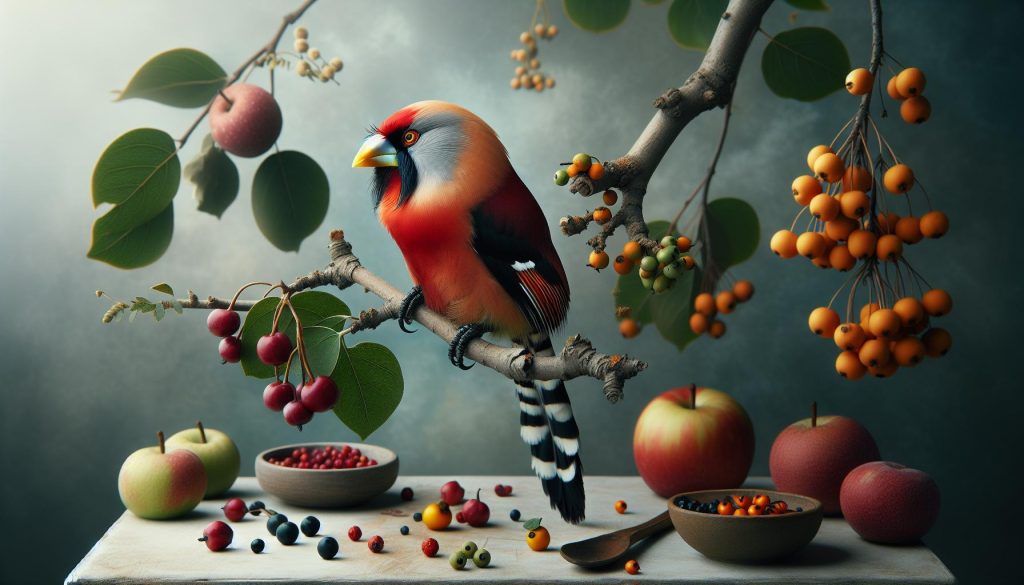
Did you know that the diet of Bearded Barbets directly influences their vibrant plumage and energetic behavior? Understanding what these stunning birds eat in the wild is essential not only for their conservation but also for anyone interested in bird watching or keeping them as pets. Bearded Barbets primarily feast on fruits, berries, and insects, showcasing a fascinating foraging behavior that can captivate any nature enthusiast. By exploring their natural diet and feeding habits, you can gain valuable insights into how to create a suitable environment that closely mimics their wild habitat. Join us as we delve into the dietary preferences of Bearded Barbets, uncovering the significance of their feeding behavior and the vital role it plays in their overall well-being. Whether you’re a seasoned bird lover or just starting your journey into avian care, understanding these dietary choices will not only enrich your knowledge but also enhance your connection with these extraordinary creatures.
Understanding Bearded Barbet Feeding Habits
Understanding the eating habits of bearded barbets reveals a fascinating blend of adaptability and preference that contributes to their survival in the wild. These vibrant birds primarily thrive on a varied diet comprised of fruits, seeds, insects, and small vertebrates. Their natural feeding behavior is a true reflection of their environment, showcasing not only their dietary needs but also their foraging strategies.
Bearded barbets, with their strong, curved beaks, are adept at foraging for food. They often search for fruit in the canopies of trees, using their beaks to peer into crevices and pluck ripe offerings. Their keen sense of sight helps them spot insects among leaves and bark, ensuring they have a balanced diet rich in protein. While fruit forms a substantial part of their intake, they also supplement their diet with seeds and occasionally small lizards or frogs. The variety in their diet is crucial, especially during different seasons, as it allows them to adjust their food choices based on availability and nutritional needs.
Seasonal changes also significantly influence their feeding habits. During the wet season, when fruits are plentiful, bearded barbets tend to focus on these high-energy resources. Conversely, in drier periods, they may turn more towards seeds and insects, showcasing their flexibility and resourcefulness. This adaptability ensures their survival in diverse habitats, from tropical forests to savannas.
Ultimately, understanding what bearded barbets eat helps to appreciate their role in the ecosystem. By consuming fruits and seeds, they aid in seed dispersal, contributing to the health of their environment. When kept in captivity, it’s essential to mimic this diverse diet, ensuring they receive the nutrients they need to flourish.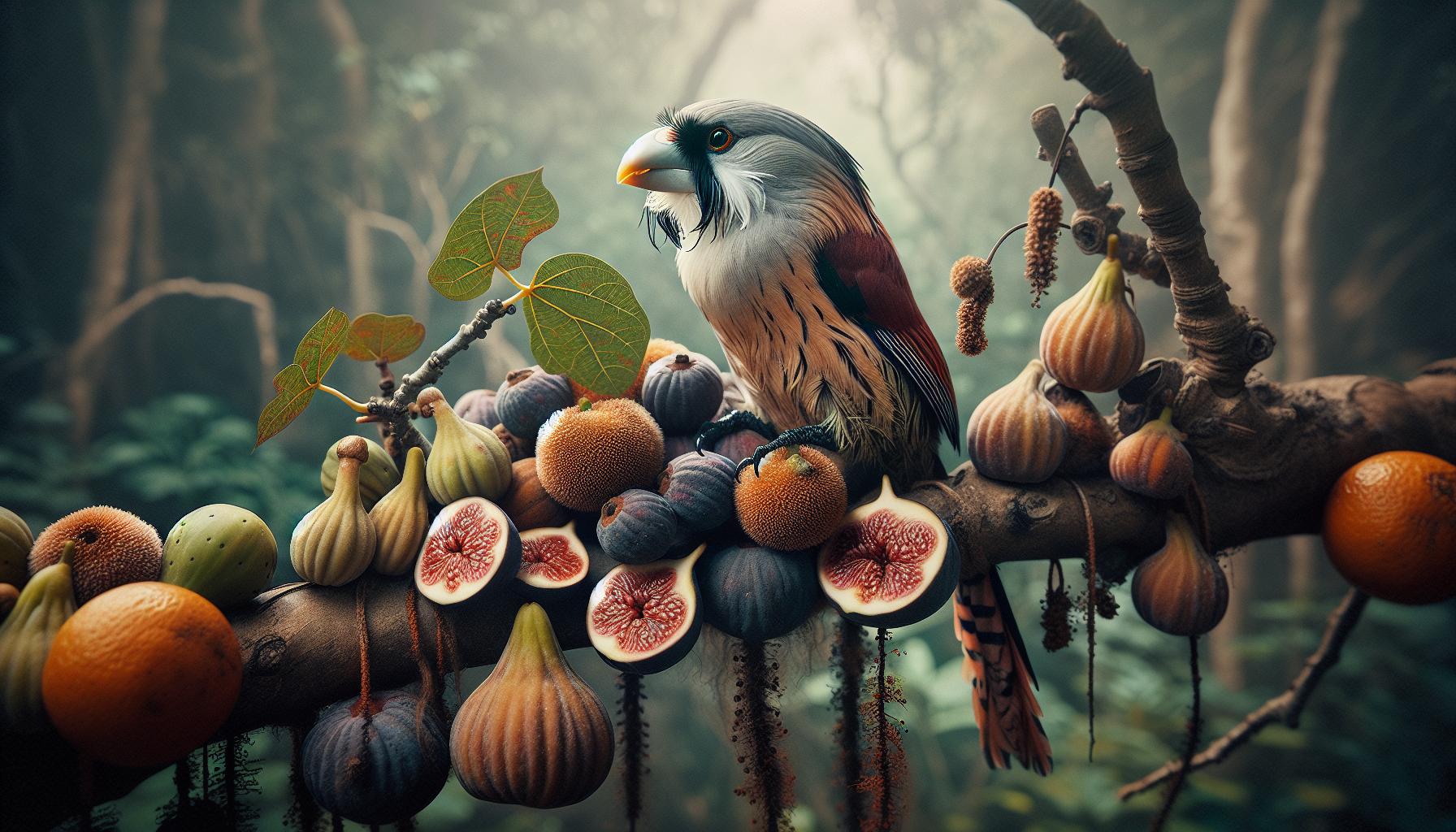
Natural Diet of Bearded Barbets in the Wild
Bearded barbets are remarkable for their varied and adaptable diets, which play a crucial role in their survival across diverse environments. These colorful birds primarily feast on a blend of fruits, seeds, insects, and sometimes small vertebrates like lizards and frogs. Their strong, curved beaks are specifically designed for grasping and manipulating food, enabling them to forage effectively within the canopies of trees. Foraging behavior is a fascinating aspect of their feeding habits, showcasing their ability to thrive in varying conditions.
Natural Dietary Preferences
When it comes to fruits, bearded barbets display a preference for ripe and fleshy varieties, often found in the upper parts of trees. They use their sharp beaks to pry open tough skins, accessing the nutrient-rich interiors. Additionally, they have a keen eye for spotting insects and larvae that may be hiding among the bark or foliage, allowing them to supplement their diet with protein sources, which is essential for their overall health. This diverse diet is not only critical for providing the necessary energy to support their active lifestyle but also contributes to their role in the ecosystem as significant seed dispersers.
Variability and Adaptability
The adaptability of bearded barbets’ diet is particularly evident during seasonal changes. In the wet season, when fruits are abundant, they shift their focus primarily to these high-energy foods. However, during drier periods, their diet shifts towards seeds, nuts, and insects, demonstrating their remarkable ability to exploit different food resources as they become available. This flexibility is vital, as it enhances their chances of finding sufficient nourishment regardless of fluctuating food availability in their habitats.
By understanding the natural diet of bearded barbets, enthusiasts and researchers alike can appreciate not only their biological needs but also their ecological functions. As these birds consume and disperse seeds, they help maintain plant diversity and contribute to the health of their environments. Emulating this natural variety in diet is essential when caring for bearded barbets in captivity, ensuring they receive balanced nutrition to thrive.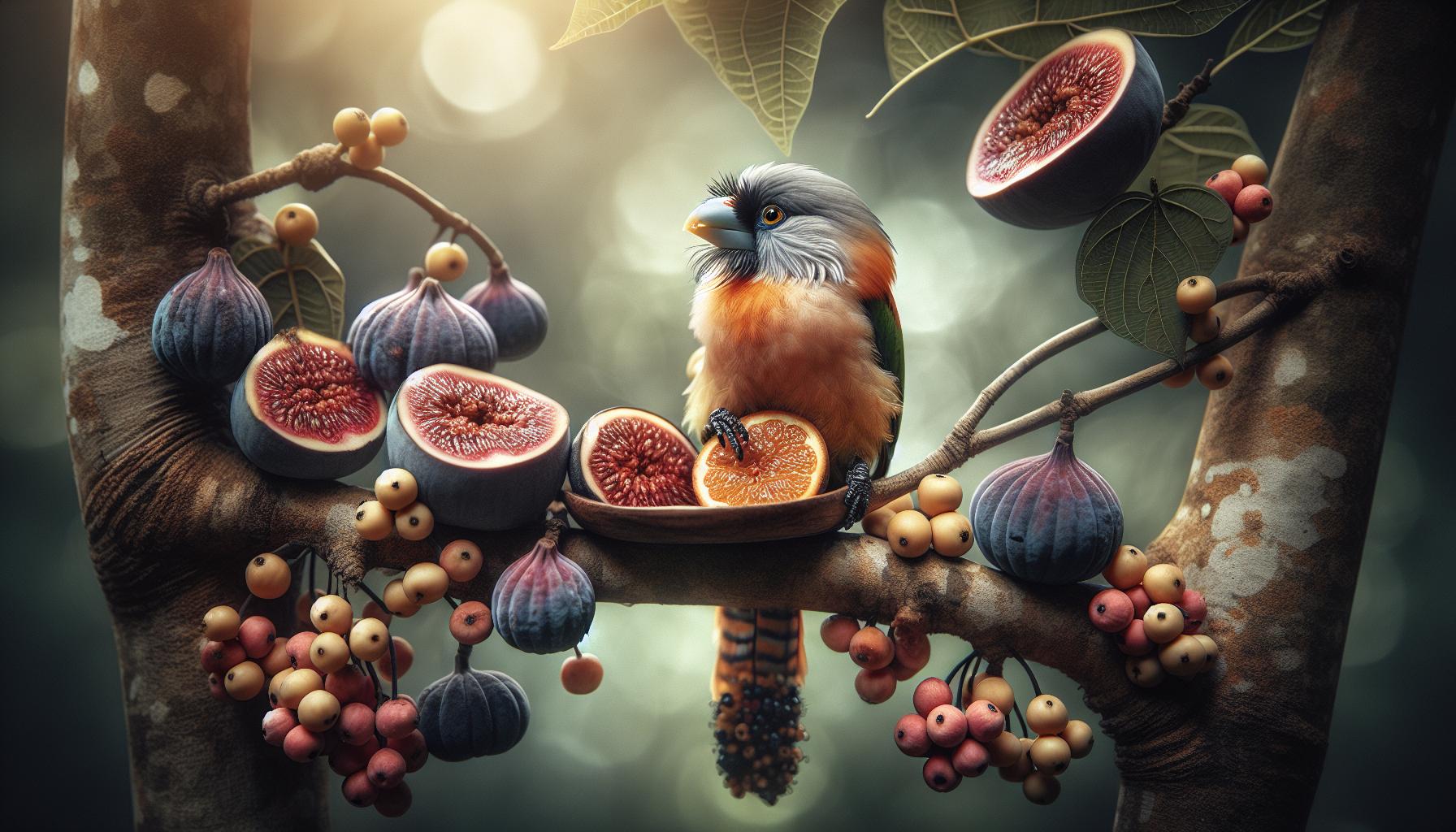
Common Food Sources for Bearded Barbets
Bearded barbets are delightful creatures known for their vibrant plumage and unique feeding habits, making them a captivating study for bird enthusiasts. A key aspect of their diet includes a wide variety of food sources that ensure their nutritional needs are met in their natural habitat. They primarily consume fruits, particularly favoring ripe and juicy options found in the canopy. These birds have evolved specialized beaks that allow them to easily access the fleshy parts of fruits, ripping through tough skins to uncover the nutritious insides.
In addition to fruits, bearded barbets are opportunistic feeders when it comes to insects. They regularly forage for beetles, ants, and caterpillars, which provide essential protein, especially during breeding seasons when young birds require more nutrients. The diversity of their diet doesn’t stop there; they also enjoy seeds and nuts, which they can crack open thanks to their strong beaks. Here’s a closer look at their most common food sources:
Common Food Sources
- Fruits: Ripe berries, figs, and other fleshy fruits dominate their diet.
- Insects: Beetles, ants, and caterpillars are excellent protein sources.
- Seeds and Nuts: These are key during food-scarce seasons, particularly in dry conditions.
- Small Vertebrates: Occasionally, they might consume small lizards or frogs when available.
This remarkable range of food sources not only keeps bearded barbets nourished but also highlights their role as important seed dispersers in their ecosystems. By feeding on fruits, they help to maintain plant diversity, as the seeds they excrete can grow into new plants in different locations.
It’s fascinating to see how bearded barbets adapt their diets according to food availability, switching between fruits, seeds, and insects based on the season. This adaptability ensures they thrive in varied environments, making them resilient foragers. Understanding these feeding preferences can aid birdwatchers and captive caregivers alike in providing appropriate diets that mimic their natural experiences, helping our feathered friends flourish.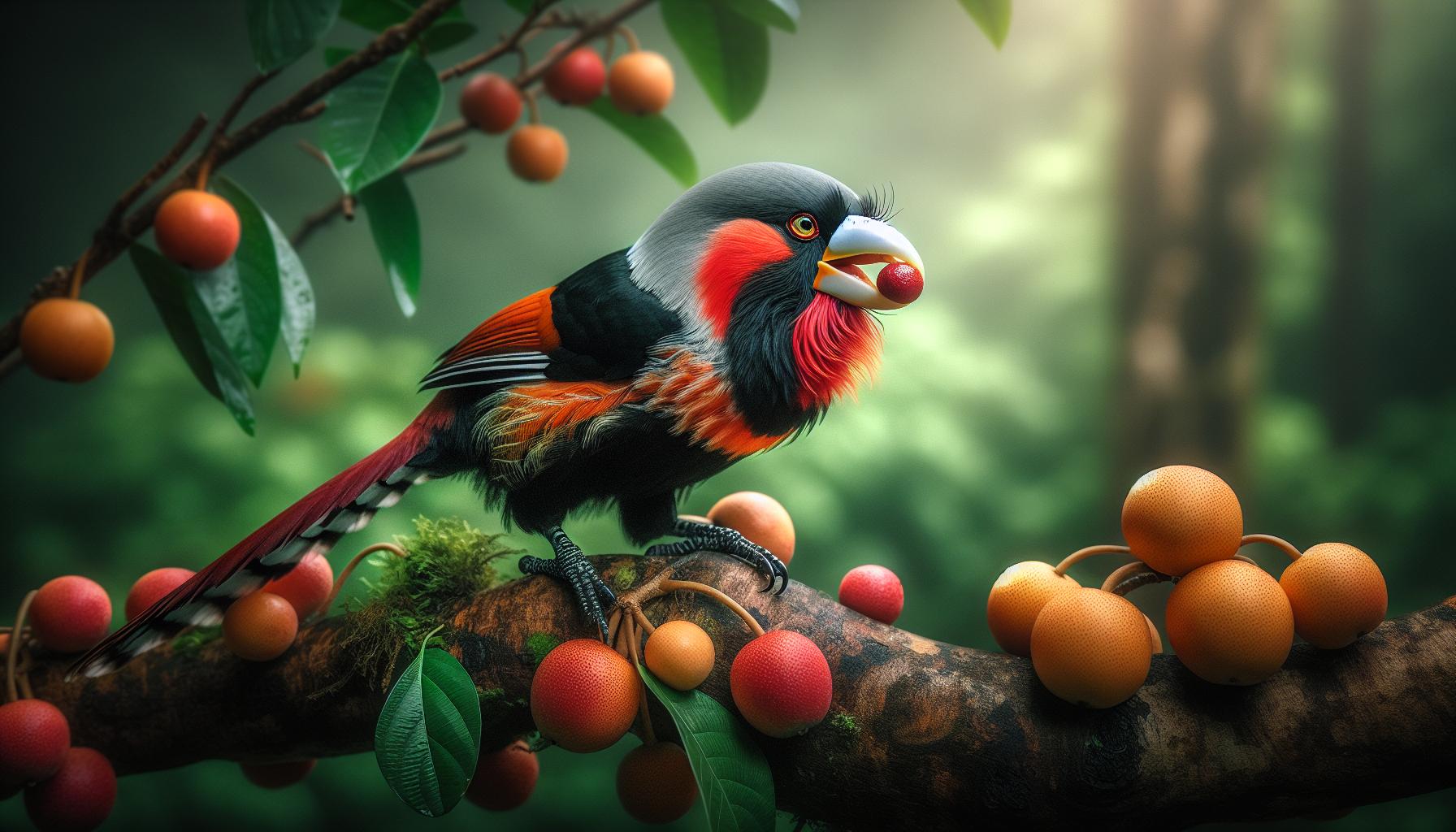
Feeding Behavior: How Bearded Barbets Forage
Bearded barbets are fascinating foragers who utilize their unique adaptations to thrive in their habitats. These striking birds exhibit a variety of foraging behaviors that ensure they not only meet their nutritional needs but also contribute to their ecosystems. Their keen eyesight allows them to spot ripe fruits high in the trees, while their strong, curved beaks are perfectly designed for reaching into clusters of berries or figs. This allows them to peel back tough skins and access the succulent flesh within, a crucial skill for a species that primarily relies on fruit.
In addition to their fruit-centric diet, bearded barbets often engage in a technique known as extrapolation for their insect meals. They tend to be opportunistic, closely observing tree bark and plant leaves for movement, which signals the presence of insects such as beetles and caterpillars. During these foraging excursions, they may perch quietly, scanning their environment, and when they spot a suitable target, they launch into action. This agile foraging method not only helps them secure essential protein sources-especially vital during breeding seasons-but also showcases their impressive agility and adaptability.
Weather and habitat conditions also influence their foraging behavior. During the dry season, when fruits may be less abundant, bearded barbets will readily shift their focus toward seeds and nuts. They use their powerful beaks to crack open these hard-shelled foods, demonstrating their versatility and resilience. This ability to adapt not only aids their survival but also speaks to their role as key players in their ecosystems, helping to disperse seeds and maintain plant diversity through their feeding habits.
Ultimately, understanding these foraging strategies provides valuable insights for birdwatchers and avian enthusiasts. Observing how bearded barbets interact with their environment can inspire appreciation for their ecological roles and highlight the importance of habitat conservation that supports their diverse dietary needs.
Seasonal Variations in Bearded Barbet Diet
As the seasons change, so too do the dietary preferences and foraging strategies of bearded barbets. These remarkable birds adeptly adjust their feeding habits to align with the availability of food resources throughout the year, demonstrating not only their resilience but also their significant role in their ecosystems.
During the lush wet season, bearded barbets indulge in a rich bounty of ripe fruits, which are plentiful in their habitats. Their strong beaks are perfectly suited for penetrating thick-skinned fruits like figs, guavas, and berries, allowing them to extract the nutritious pulp. This season is particularly vital for breeding pairs, as the abundance of food helps support their growing chicks. The high fruit availability also encourages social feeding behaviors, with flocks banding together to exploit ample food resources, creating a vibrant and active environment in the canopy.
In contrast, as the dry season rolls in and fruit becomes scarce, bearded barbets reveal their adaptability by shifting their diet to include more seeds and nuts. These food sources become essential for maintaining their nutritional intake, and the barbets utilize their powerful, curved beaks to crack open hard shells. This transition underscores their resourcefulness; not only does it highlight their ability to adapt to changing conditions, but it also plays a critical role in seed dispersal, as discarded seeds can germinate in new areas, aiding plant diversity.
Weather conditions also impact not just the availability of food but the bearded barbets’ foraging behavior. For instance, during periods of heavy rain, many insects become more active, prompting these birds to capitalize on this protein-rich food source. Insects such as beetles, ants, and caterpillars become central to their diet during this time, offering essential nutrients that complement their primary fruit-based diet. Observing these shifts can provide birdwatchers and enthusiasts with fascinating insights into the lives of bearded barbets, showcasing their dynamic relationship with the changing seasons and their environment.
Impact of Habitat on Feeding Preferences
The relationship between bearded barbets and their habitat is a fascinating dance of adaptation and survival. These birds are not merely residents of their environments; they are highly sensitive to the specific characteristics of their surroundings, using their keen skills to exploit available resources effectively. The variety of habitats they occupy-ranging from dense rainforests to open woodlands-greatly influences their feeding preferences and strategies.
Bearded barbets thrive in habitats abundant with fruiting trees, as these locations provide the primary food sources essential for their diet, particularly during the breeding season. Trees like figs and guavas become hotspots for feeding, attracting not just barbets but numerous bird species that benefit from the nutrients found in these fruits. The structural diversity-such as the availability of branches and foliage-also affects how these birds forage. In densely vegetated areas, they may exhibit more social feeding behavior, as groups come together to share the plentiful resources. This communal feeding is not only efficient but also allows individuals to keep a watchful eye for potential predators.
On the flip side, when bearded barbets find themselves in fragmented habitats or areas where food sources are more sporadic, their feeding habits shift dramatically. They may resort to foraging deeper into the underbrush or adapting their diet to include a higher proportion of insects, nuts, and seeds. For instance, in habitats where fruiting opportunities are limited, the barbets become adept at exploiting new food sources, showcasing their remarkable foraging versatility. This adaptability is crucial, allowing them to occupy a wide range of environments, although it also highlights the importance of conserving varied habitats to ensure their ongoing survival.
As any bird enthusiast will tell you, observing bearded barbets in action is a delightful experience. Their ability to interact dynamically with their environment not only reflects their ingenuity but also emphasizes the profound impact that habitat health has on their feeding behaviors. Supporting healthy ecosystems can help sustain these vibrant birds and ensure that future generations continue to enjoy their presence in the avian world.
Differences in Diet Between Captive and Wild Bearded Barbets
In captivity, bearded barbets often experience a significantly different diet compared to their wild counterparts. Understanding these differences is crucial for bird enthusiasts and pet owners who wish to mimic natural feeding behaviors or provide the best nutrition for their feathered friends. In the wild, bearded barbets primarily feast on a plethora of fruits, especially those abundant in their tropical habitats, such as figs, guavas, and various berries. These fruits form the cornerstone of their diet, providing essential sugars, vitamins, and hydration.
When bearded barbets are kept in captivity, however, their diet tends to become less varied, often relying on commercially prepared bird foods that may not replicate their natural food sources. These diets frequently include seeds, pellets, and dried fruits, which lack the vibrant nutrients found in fresh produce. Captive barbets can benefit greatly from a more diverse menu that includes fresh fruits (like papaya and apple), vegetables (such as carrots and leafy greens), and occasional protein sources like insects. Such additions not only enhance their nutritional intake but also stimulate their instincts to forage and explore.
Practical Feeding Tips for Captive Bearded Barbets
To bridge the gap between wild and captive diets, consider the following suggestions:
- Fresh Fruits: Incorporate a variety of seasonal fruits into their diet to mimic their natural cravings.
- Vegetable Variety: Offer leafy greens and other vegetables to ensure they receive adequate vitamins and minerals.
- Protein Sources: Include mealworms or other insects to emulate the protein-rich foods they would encounter in the wild.
- Stimulation Through Foraging: Create foraging opportunities by hiding food in toys or providing puzzle feeders, encouraging natural foraging behaviors.
While captive bearded barbets can thrive on a well-rounded diet, it’s essential to monitor their health and adapt their feeding practices as necessary. Observing their eating habits can provide insights into their preferences and nutritional needs. Ultimately, striving to provide a more complete diet will not only support their health but also enhance their overall well-being, making for a happier and more active companion bird.
Nutritional Needs of Bearded Barbets
Bearded barbets are vibrant, social birds that thrive on a diverse diet in both the wild and captivity. Their nutritional needs should be carefully considered to ensure their overall health and well-being. In nature, these birds consume a variety of fruits, seeds, insects, and occasionally, small reptiles, all of which provide essential nutrients for their energetic lifestyle. In captivity, it becomes crucial to replicate this balanced diet as closely as possible to prevent deficiencies and encourage natural behaviors.
To fulfill their dietary requirements, bearded barbets need a mix of vitamins, minerals, and macronutrients. They particularly benefit from high sugar content found in fruits, which serves as a vital energy source. Fruits like figs, guavas, and berries should form the basis of their diets. In addition, incorporating leafy greens and vegetables will provide necessary vitamins such as A and C, while protein sources like insects or high-quality pellets can help develop strong muscles and support overall growth.
Providing a broad range of food options not only meets their nutritional needs but also stimulates their natural foraging instincts. Owners should avoid overly processed foods that lack important nutrients and focus on fresh, organic options wherever possible. A varied diet not only promotes good health but can also enhance their cognitive abilities and prevent boredom, making for a happier and more active bird.
As you explore feeding your bearded barbet, be attentive to their preferences and any changes in their eating habits. This will allow you to adjust their diet dynamically. Just like us, bearded barbets thrive best on a rich and colorful diet, making mealtime an exciting opportunity for enrichment as well as sustenance.
Behavioral Adaptations in Food Search Strategies
Bearded barbets are not just vibrant creatures; they are clever foragers with fascinating strategies for finding food in their wild habitats. This adaptability is key to their survival, as they deftly navigate various landscapes, utilizing their keen eyesight and strong beaks to uncover hidden delicacies. Whether perched on branches or hopping along the forest floor, these birds possess a unique set of behaviors that enhance their food-searching efficiency.
Their foraging techniques often include observing the surrounding foliage for ripe fruits or seeds, showcasing their ability to assess which trees and plants are most likely to provide nourishment. Bearded barbets are particularly skilled at recognizing the color and shape of preferred food sources, allowing them to focus their efforts where the chances of success are highest. When foraging, they may also engage in a behavior called “gleaning,” where they pick insects and larvae from the bark of trees, highlighting their opportunistic feeding habits.
In terms of social behavior, bearded barbets often forage in groups, which can provide immense advantages. By working together, they can cover more ground, share information about food sources, and even help to scare off potential predators. This group dynamic not only aids in locating food but fosters communal interactions, allowing them to communicate about food availability and safety. For bird owners, mimicking this social feeding environment in captivity via companionship or interactive feeding opportunities can promote similar behaviors, enhancing both the physical health and psychological enrichment of these engaging birds.
Understanding these behavioral adaptations is crucial for anyone looking to care for bearded barbets in captivity. Owners can replicate their natural food-searching instincts by offering a varied diet and engaging feeding methods, such as scattering food or using puzzle feeders that encourage exploration and discovery. This not only meets their nutritional needs but also enriches their environment, leading to curious, active, and healthier birds.
Social Feeding: Group Dynamics Among Bearded Barbets
Observing bearded barbets in the wild reveals a deeply social layer to their feeding habits, making these vibrant birds as fascinating in their interactions as they are in their appearance. These birds often forage in groups, which offers numerous advantages for survival and sustenance. For example, when bearded barbets gather, they can efficiently locate food sources by sharing information about where ripe fruits or abundant insect populations are situated. This cooperative behavior enhances their ability to forage successfully, as they can combine their efforts to explore a larger area more effectively than if they were alone.
Group dynamics during feeding not only allow bearded barbets to find food more readily, but they also play a crucial role in protecting one another from potential predators. By flocking together, they create a network of vigilance. While some members of the group focus on foraging, others can keep an eye out for threats. This communal approach minimizes individual risk and fosters a lively atmosphere where they can communicate through a range of vocalizations and interactions.
For those keeping bearded barbets in captivity, it’s essential to replicate their social feeding environment to encourage these natural behaviors. Providing opportunities for interaction can enhance their well-being. This could mean housing multiple birds together or integrating enriching activities such as group feeding sessions where food is scattered or hidden, encouraging exploration and social cooperation. Additionally, bird owners might observe that their barbets engage in similar communicative behaviors during these feeding times as they would in the wild, sharing information about food sources-much like a game of finders keepers.
Incorporating social elements into feeding routines not only meets their nutritional needs but also serves to enrich their lives in captivity. Consider using puzzle feeders or interactive toys that require group engagement, mirroring the foraging techniques of bearded barbets in the wild. This method not only promotes natural behaviors but keeps these intelligent birds mentally stimulated, contributing to their overall health and happiness.
Conservation and Food Resource Availability
The ongoing conservation efforts for bearded barbets are crucial in ensuring their survival, particularly as their natural habitats face numerous challenges. These vibrant birds are primarily found in tropical and subtropical forests, where they thrive on a diet rich in fruits, insects, and other plant materials. However, deforestation, habitat fragmentation, and climate change are significantly impacting their food resource availability. Conservation initiatives must focus not only on habitat preservation but also on creating sustainable ecosystems that support the diverse food needs of these birds.
One effective way to safeguard food resources for bearded barbets is by protecting and restoring their natural habitats. Initiatives such as reforestation projects and the establishment of protected areas are essential for maintaining the ecological balance in their environments. By ensuring these birds have access to abundant food sources, conservationists can help promote healthier populations. Furthermore, engaging local communities in these efforts fosters a sense of stewardship for their natural surroundings and encourages sustainable practices that benefit both wildlife and humans.
Collaborative efforts between researchers, conservation groups, and local communities can also enhance the understanding of bearded barbets’ dietary preferences. This knowledge can guide habitat management strategies, ensuring that the areas crucial for feeding-such as fruit-bearing trees and flowering plants-are preserved and cultivated. It is vital to monitor the health of these ecosystems and adapt conservation strategies accordingly, taking into account seasonal changes that affect food availability.
Ultimately, conservation strategies that focus on the holistic needs of bearded barbets not only support their dietary habits but also benefit the broader ecosystem. Protecting their food sources contributes to maintaining biodiversity, supporting other species that share their habitat, and ensuring a balanced environment. As caring enthusiasts and community members, we can play a role in these efforts-advocating for policies that protect natural habitats and participating in local conservation projects to support these delightful birds and their ecosystems.
Tips for Feeding and Caring for Bearded Barbets in Captivity
Feeding bearded barbets in captivity can be a delightful experience, both rewarding and enriching for the birds and their caregivers. These vibrant birds, known for their striking plumage and playful personalities, require a diet that mimics their natural feeding habits to ensure their health and happiness. One captivating fact about bearded barbets is that they often share their food sources with one another, showcasing their social nature. This behavior can influence how you approach their diet and feeding environment in captivity.
To support their well-being, it’s essential to provide a diet rich in variety, reflecting what bearded barbets would consume in the wild. A balanced diet for these birds typically includes fresh fruits like papaya, bananas, and berries, coupled with insects such as mealworms and waxworms for added protein. Here’s a simple checklist for their dietary needs:
- Fruits: Offer a mix of soft fruits that are cut into manageable pieces.
- Vegetables: Incorporate leafy greens such as kale or dandelion greens.
- Proteins: Provide live insects or high-quality insectivore pellets.
- Seeds: Include a small amount of seeds, primarily from fruit-bearing species.
- Calcium Source: A calcium supplement is vital for their bone and egg health, particularly for females.
Maintaining a clean feeding environment is crucial. Regularly replace uneaten food to prevent spoilage and bacterial growth. Since bearded barbets are curious and active, providing foraging opportunities can help keep them mentally stimulated. You can hide food within wood blocks or use feeding toys designed for birds to encourage natural foraging behavior.
Creating a balanced and engaging diet will not only contribute to their physical health but also enhance their social dynamics. Observing how they react to different foods can also be a fascinating part of caring for bearded barbets. Their personal preferences may vary, so offering a range of foods can help you discover their favorites. Ultimately, attentive care that addresses their natural behaviors will lead to a fulfilling life in captivity for your delightful feathered companions.
Frequently asked questions
Q: What types of insects do Bearded Barbets prefer to eat?
A: Bearded Barbets primarily enjoy a variety of insects, including beetles, caterpillars, and ants. These food sources are rich in protein, essential for their growth and energy. Providing a diverse insect diet can promote their health, especially if kept in captivity.
Q: Do Bearded Barbets consume fruits? If so, which ones?
A: Yes, Bearded Barbets love fruits, particularly soft, ripe varieties like figs, mulberries, and berries. These fruits provide vital vitamins and hydration, making them a staple in their natural diet. Including seasonal fruits can mimic their wild eating habits.
Q: How do Bearded Barbets forage for food?
A: Bearded Barbets forage by searching through foliage and tree bark using their strong beaks to reach hidden insects and fruits. They use a tapping motion to locate food, showcasing their intelligence and adaptability in finding meals in various environments.
Q: When do Bearded Barbets typically feed during the day?
A: Bearded Barbets are diurnal, meaning they mainly feed during daylight hours. They often forage in the morning and late afternoon, taking advantage of cooler temperatures and increased insect activity, which allows them to find food more easily.
Q: What role does habitat play in the diet of Bearded Barbets?
A: The habitat significantly influences the diet of Bearded Barbets, as varied ecosystems provide diverse food sources. Forests and wooded areas, rich in flowering plants and fruiting trees, support a wider range of insects and berries, essential for their nutrition.
Q: How does the diet of captive Bearded Barbets differ from those in the wild?
A: Captive Bearded Barbets may have a more limited diet, often reliant on commercially prepared bird foods. While wild birds have access to a variety of insects and fruits, captive ones benefit from a carefully balanced diet including fresh fruits and protein-rich insects.
Q: What nutritional supplements can enhance a Bearded Barbet’s diet?
A: Nutritional supplements such as calcium powder and vitamin D can enhance a Bearded Barbet’s diet, promoting bone health and overall vitality. Incorporating these into their feeding regimen, especially when they are primarily fed seeds or processed foods, can be very beneficial.
Q: Why is social feeding important for Bearded Barbets?
A: Social feeding is crucial for Bearded Barbets as it allows them to share information about food sources and enhances their social bonds. Feeding in groups can improve foraging efficiency and help them spot predators more effectively, ensuring better survival rates.
Closing Remarks
Thank you for exploring the fascinating diet and feeding behavior of Bearded Barbets with us! From their fruit variety preferences to their foraging techniques, understanding what these unique birds eat is essential for anyone interested in their care and conservation. If you’re eager to learn more about bird feeding behaviors, don’t miss our articles on “Top Foods for Tropical Birds” and “Understanding Avian Nutritional Needs.”
We encourage you to take action now! Consider subscribing to our newsletter for the latest insights and tips on avian care delivered straight to your inbox. If you still have questions or want to share your experiences with Bearded Barbets, drop a comment below-we love hearing from fellow bird enthusiasts! Remember, the journey of understanding these amazing creatures doesn’t stop here. Keep exploring, and discover what else you can do to support their habitat and well-being.