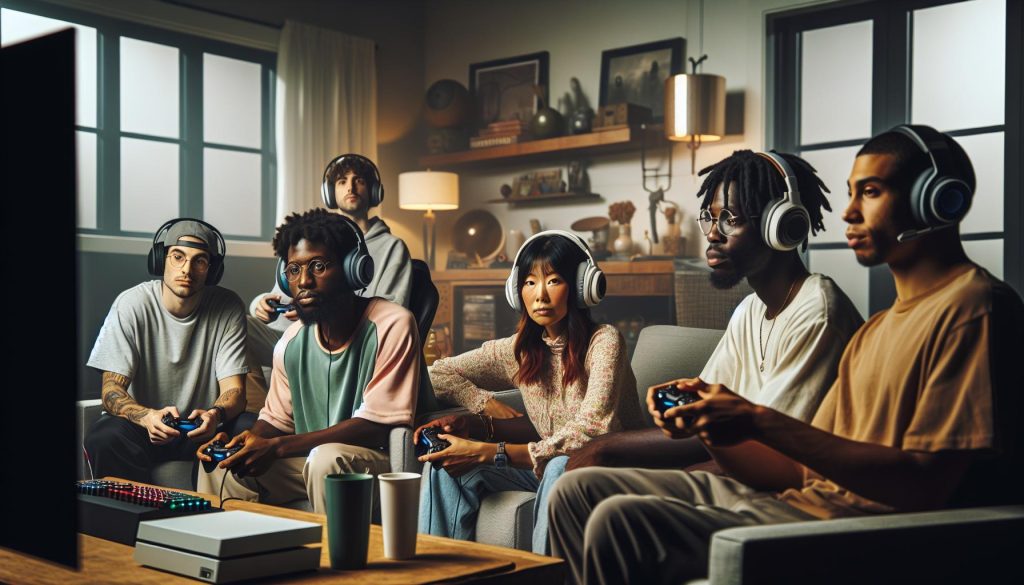
In today’s gaming landscape, slang and insults often carry unexpected origins, and the phrase “dog water” is no exception. Originating from online gaming culture, it has become a popular way to call out opponents’ skills-or lack thereof. Understanding these terms can enhance your gaming experience and foster a deeper connection with other players. By diving into the origins and evolution of “dog water,” we not only uncover a linguistic phenomenon but also explore how such phrases reflect broader gaming dynamics and community interactions. Join us as we unravel the layers behind this viral insult, and discover why language matters in gaming culture.
The Origins of “Dog Water” as an Insult
In the ever-evolving landscape of internet slang and gaming culture, “dog water” has emerged as a potent insult that resonates with players around the world. Its origins can be traced back to the humorous yet somewhat derogatory portrayal of mediocrity in gaming performance. The phrase paints a vivid picture: just as water is often considered dirty, discarded, and undesirable when it comes from a dog, the term “dog water” implies that someone’s skills-or in-game prowess-are equally worthless and lacking in value.
This cheeky insult began surfacing in online gaming communities, notably on platforms like Twitch and social media forums. Gamers employed “dog water” as a light-hearted jab at opponents or teammates who performed poorly in competitive matches. Its appeal lies not only in its catchy, alliterative nature but also in its absurd imagery, allowing players to express frustration while often keeping the tone playful rather than overtly hostile. Over time, it became a staple in meme culture, further embedding itself in the lexicon of online interactions.
The rise of “dog water” reflects broader trends in gaming banter, where creative insults are often employed to enhance camaraderie and competition. For many players, using such terms becomes part of the social fabric of shared experiences; each phrase carries a distinct flavor of humor that can add to the excitement of the game. As such, the origins of “dog water” highlight the intersection of language, creativity, and community bonding in the vibrant world of gaming.
How “Dog Water” Became Viral in Gaming Culture
In the dynamic world of online gaming, phrases and insults often catch fire among players, quickly spreading through forums, streams, and social media. One such term that has taken hold is “dog water.” Its viral ascent can be largely attributed to its catchy sound and the vivid imagery it evokes, which resonate deeply within the gaming community. By likening a player’s performance to something as undesirable as water from a dog, the phrase encapsulates a sense of ridicule while maintaining an undercurrent of humor. This balance allows it to be used in casual banter without crossing the line into outright toxicity.
The phrase first gained traction in gaming streams on platforms like Twitch, where the fast-paced nature of gameplay emphasizes quick-witted exchanges. Streamers began utilizing “dog water” as a light-hearted jab, providing entertainment for their audiences while also engaging viewers in the shared experience of victory or defeat. In many instances, the term’s absurdity contributed to its dissemination; after all, who wouldn’t chuckle at the visual of someone’s gaming skills equated with a puddle of dirty dog water? This comical analogy stood out in a sea of more conventional insults, making it more memorable and shareable among friends and fellow gamers.
Memes are another driving force behind the phrase’s popularity. The gaming community is prolific at creating memes that capture current trends, and “dog water” quickly found a home in various formats. Players would overlay the phrase onto images of poor gameplay moments, exacerbating the humor and encouraging others to participate in the joke. This viral exchange of humor and creativity is essential in defining the culture of gaming-it fosters a sense of camaraderie, a shared language of jest that allows players to bond over their mutual experiences, regardless of the game’s outcome.
Ultimately, the phrase “dog water” illustrates the inventive nature of gaming culture, showcasing how language can evolve rapidly through community interactions. Players embrace these creative terms as badges of humor, enriching their gaming experiences while also fostering a lively community where such phrases can thrive. It’s a testament to the power of language in unifying gamers, making every match not just a competition, but also a chance for laughs and shared stories.
Understanding the Context: Why “Dog Water” Hurts
In the gaming world, language is a powerful tool, and insults can cut deeper than mere words due to their context and delivery. The phrase “dog water,” while often delivered with a laugh, can actually harbor a sting that affects players on multiple levels. Though it may seem like a lighthearted jab at a player’s gaming abilities, it taps into broader issues of self-esteem and competition, creating an emotional response that can linger long after the match has concluded.
When a player hears “dog water,” it invokes not just a humorous image but also an evaluation of their performance. Many gamers invest significant time and effort into honing their skills, often experiencing the highs of victory and the lows of defeat. As such, being compared to “dog water” can feel like a dismissal of their hard work, reducing their efforts to something undesirable. This context can lead to frustration and embarrassment, especially for younger, more impressionable players who may already grapple with confidence issues.
Furthermore, insults like “dog water” can contribute to a toxic gaming environment. The gaming community is a diverse space where players come from various backgrounds and experiences. Casual banter can quickly turn sour, and what starts as a playful remark might escalate into bullying, particularly if used repetitively or targeted. This behavior not only harms the recipient but also reflects poorly on the gaming culture as a whole, perpetuating negativity and discouraging inclusivity.
To mitigate the potential hurt caused by phrases like “dog water,” it’s essential for players to cultivate empathy within their interactions. Understanding the impact of words and striving to maintain a supportive atmosphere can foster a healthier community where all players feel valued. Encouraging humor that uplifts rather than undermines is key, reminding us that gaming is meant to be a fun and inclusive experience. Engaging in positive communication not only enhances individual enjoyment but can also unify players in a spirit of camaraderie, turning competition into collaboration instead.
Top Viral Insults in Gaming: A Comparative Analysis
In the heated exchanges of online gaming, certain insults rise above the noise, gaining traction and becoming part of the community lexicon. One standout phrase is “dog water,” which not only encapsulates the sting of criticism but also serves as a lens through which we can compare various viral insults used within gaming culture. The intent behind these insults often reflects deeper social dynamics, competition, and the universal experience of both victory and defeat.
Comparative Analysis of Viral Insults
When discussing viral gaming insults, it’s important to note how they express similar sentiments, even if their delivery and cultural implications differ. For instance, terms like “trash,” “bot,” and “noob” have been staples in the gaming vernacular long before “dog water” emerged. Each phrase critiqued a player’s skills but often lacked the playful connotation that “dog water” brings.
While “trash” is straightforward and typically invokes a primal response-describing someone’s abilities as worthless-“dog water” has successfully bridged the gap between humor and disdain. Its absurdity allows it to be directed at an opponent or even a friend without necessarily invoking a deeply negative response, making it more palatable for casual banter. This playful bite is essential as it reflects the nature of gaming-competition can be fierce, but it can also foster friendships if approached with the right spirit. Another insult, “noob,” tends to carry a more definitive connotation implying inexperience, which can be hurtful. However, it can also be used jokingly among friends, contrasting the less forgiving tone of “dog water,” which can sometimes feel more personal due to the vivid imagery it conjures.
Additionally, the emergence of social media has amplified these insults. Memes and clips showcasing these terms in action keep the language fresh and relevant. An insult like “dog water” thrives on platforms like TikTok and Twitter, where humor blends swiftly with critique. Players often share compilations of matches, peppered with these jibes, creating a communal experience around the laughter and camaraderie that gaming can foster.
Ultimately, exploring these insults illuminates how language in gaming can reflect not just interpersonal interactions but also wider cultural trends. Whether one prefers the plainness of “trash,” the humor found in “dog water,” or the complex history behind terms like “noob,” these phrases contribute to a rich tapestry of communication within gaming that encapsulates competition, humor, and the sense of community among players. By recognizing their meanings and implications, players can navigate these interactions more mindfully, fostering an environment that balances competitiveness with inclusivity.
The Psychology Behind Gaming Insults and Communication
In the fast-paced world of online gaming, communication often consists of quick, sharp exchanges that can include everything from friendly banter to biting insults. The phrase “dog water” serves as a quintessential illustration of how language evolves in these environments, reflecting underlying psychological principles. This playful yet derogatory term captures the essence of competitive interactions, where players not only seek to assert dominance but also need to establish camaraderie, often through jesting at one another’s expense.
Insults like “dog water” thrive on the dual role they play: they can be sharp enough to sting yet light-hearted enough to foster a sense of community. When someone calls another player “dog water,” it implies that their skills are subpar, akin to the undesirable remnants left in a dog bowl. This vivid imagery can quickly trigger a reaction, but it also invites a form of shared humor, binding players together against a common foe rather than deepening personal animosities. In this context, the psychology of insult lies in its ability to communicate a message without crossing an irreparable line. Most players understand that these terms are part of the gaming culture, allowing for a certain level of acceptance and even enjoyment in the exchange.
Furthermore, the influence of social media platforms amplifies the effectiveness and reach of these insults. Memes, videos, and shared content featuring the phrasing contribute to a cycle of humor that reinforces its usage within the gaming community. The rapid sharing of these exchanges creates a sense of in-group belonging; players who understand the context of “dog water” are part of a larger conversation that extends beyond individual games. This sense of community is vital in maintaining the dynamic of online interactions, providing players with both identity and a space to engage in light-hearted rivalry.
Ultimately, while insults in gaming can sometimes lead to toxicity, the clever use of terms like “dog water” demonstrates how language can both hurt and heal. It encourages players to navigate the competitive landscape with humor, fostering a vibrant culture where both wins and losses can be shared experiences. Understanding the psychological impact of these exchanges helps participants manage their interactions better, promoting a healthier gaming environment for newcomers and veterans alike.
Community Reactions: Memes and Social Media Impact
In the world of online gaming, few phrases have sparked as much dialogue and intrigue as “dog water.” This term has transcended mere gameplay jargon, evolving into a viral phenomenon illuminated by memes and social media exchanges. Gamers share the term not just for its humorous edge, but as a way to solidify connections within the community. As “dog water” permeates online conversations, it invites players to respond, adapt, and sometimes even create new layers of meaning-turning a simple insult into a shared cultural artifact.
The impact of social media on the proliferation of “dog water” cannot be understated. Platforms like Twitter, TikTok, and Instagram are inundated with memes, videos, and humorous skits that feature the term, effectively amplifying its reach. For example, gamers often post clips of their gameplay accompanied by the caption “This is pure dog water,” cleverly highlighting moments of failure or absurdity. The infectious humor of these posts encourages further sharing and engagement, creating a feedback loop that solidifies the term’s status in gaming lexicon. This communal effort fosters not only a sense of belonging among players but also invites playful banter, transforming potentially hurtful insults into a celebration of camaraderie.
Moreover, the reaction to “dog water” in online discourse showcases the fine line between harsh critique and playful trash talk. The community often responds with light-hearted retorts and counter-insults, thereby diffusing potential tensions and reinforcing friendships. A player who calls someone a “dog water” player may find themselves quickly on the receiving end of similar humor, with responses like “You’re just jealous because I have the skills of a golden retriever” circulating. This enhances the playful atmosphere, where the emphasis is less on the insult itself and more on the shared experience of gaming together.
Ultimately, the phrase “dog water” illustrates how social media and meme culture can transform a simple phrase into a communal touchstone, shaping language and relationships within gaming. It serves as a reminder of the resilience of online communities, where humor-even when sharp-can foster connections and create an inclusive space for everyone to participate in the banter. As players continue to navigate the evolving landscape of gaming culture, terms like “dog water” not only reflect the challenges of competition but also highlight the joy and laughter found in shared experiences.
Exploring Alternative Insults and Their Meanings
In the vibrant landscape of gaming, insults often serve as a playful form of communication, allowing players to bond over shared experiences, even when those experiences involve ribbing each other. While “dog water” has gained considerable attention, a plethora of alternative insults also color the gaming vernacular, each with its own unique flair and implications. Understanding these alternatives can not only enhance your dialogue but also offer insights into the culture of the gaming community.
Among the popular alternatives, terms like “scrub,” “noob,” and “trash” are commonly used but carry different connotations. Calling someone a scrub refers to a player who lacks skill or refuses to improve, often implying a level of disdain for their lack of effort. The term noob (derived from “newbie”) suggests that a player is inexperienced, although it can be used endearingly among friends. On the other hand, labeling a player as trash straightforwardly conveys that they are performing poorly, hitting a harsher note. Each of these alternatives taps into the competitive nature of gaming while creating an opportunity for playful exchange.
The choice of insult can also reflect a player’s intent. For example, using humor-inflected jabs like “You’re playing like a potato!” softens the sting and nurtures camaraderie. Alternatively, harsher terms might be employed during more intense competition, designed to shake an opponent’s confidence without crossing into outright hostility. The ability to read the room and gauge your audience is crucial; some might welcome the banter while others could react negatively.
Furthermore, memes and social media have birthed an ever-growing lexicon of unique insults within gaming. Phrases like “cooked” or “boomer” relate not just to skills but often to attitudes towards gameplay or game choices, illustrating a blend of generational differences and gameplay styles. These terms enrich the gaming dialogue, sparking conversations that deepen community ties while providing a light-hearted critique of skills or preferences.
Embracing this diverse array of insults could significantly enhance your gaming interactions. Understanding their nuances equips you with the ability to engage in banter that is both fun and contextually appropriate, ultimately adding to the shared experience and culture of gaming.
From Gaming to Everyday Language: “Dog Water”‘s Evolution
In recent years, the phrase “dog water” has transitioned from a niche gaming insult to a term that weaves itself into everyday language, sparking curiosity and even laughter among those outside gaming circles. Originating as a derogatory remark aimed at players perceived to be performing poorly, “dog water” utilizes familiar imagery that evokes feelings of disgust, making it an effective zinger during intense gaming sessions. What makes this phrase particularly fascinating is how it captures a very particular essence of modern communication, blending humor and creativity in a manner that resonates with a broader audience.
The evolution of “dog water” reflects a cultural shift where gaming vernacular spills over into everyday interaction. Players often engage in this kind of banter to foster camaraderie or diffuse tension within competitive ranks, leading to a significant cultural exchange where such phrases become memes, shared in social media posts or embedded within casual conversations. Those familiar with the term might use it ironically when discussing situations in life-like a messy workplace or an awkward social encounter-showcasing the versatility of language that stems from gaming contexts.
Examples abound of “dog water” appearing in various lifestyle and social media content, illustrating just how permeable the barriers between gaming and everyday life can be. As players engage in discussing events or frustrations outside of gaming, they might humorously refer to a poorly designed product as “dog water,” inviting a chuckle and shared understanding among peers. This crossover captures an amusing sense of identity, especially among younger generations who enjoy blending humor with commentary on real-life situations.
The phenomenon is also enhanced by viral memes that play on the imagery of “dog water,” often elevating it to comedic sketches or social media challenges. These playful iterations encourage creativity and foster community among users who share a love for gaming culture. In this way, “dog water” serves not just as an insult, but as a cultural touchpoint that embodies the spirit of playfulness and connection in a world increasingly defined by digital interactions.
How to Respond to Insults Like “Dog Water
When confronted with insults like “dog water,” your response can significantly affect not only your emotional state but also the dynamics of the interaction. It’s essential to remember that gaming often thrives on banter, and while such insults may sting at first, they can also serve as an opportunity to demonstrate maturity and humor. A good first step is to assess the context and the intent behind the insult. If it’s coming from a friendly competitor, you might consider responding playfully to diffuse any tension rather than escalating negativity.
One effective method to handle insults is to adopt a sense of humor. Responding with a light-hearted comment can often turn the situation around. For example, replying with something like, “Well, at least I’m not ‘cat litter’!” may not only draw a laugh but also shift the focus away from the insult. This approach not only shows you’re unfazed but also encourages a fun atmosphere instead of a confrontational one. You might also want to use the situation to throw a playful jab back, as friendly rivalry can enhance camaraderie among players.
Another strategy is to recognize and acknowledge the insult without taking it to heart. A simple, nonchalant, “Got it! I’ll step it up,” can showcase your resilience and willingness to improve without falling into the trap of escalating hostility. Such responses can defuse potential tensions and portray confidence, making the insulter rethink their approach in the future.
Finally, if the insults become repetitive or genuinely hurtful, it’s wise to address the behavior directly but respectfully. You could say, “I’m all for some friendly competition, but let’s keep it respectful. It makes the game more enjoyable for everyone.” By setting boundaries, you emphasize the need for mutual respect and kindness within the gaming community, promoting a healthier environment for all players. Engaging in this way demonstrates maturity and can lead to more meaningful interactions, both in-game and beyond.
Utilizing these strategies can transform a potentially negative experience into an opportunity for growth, connection, and perhaps even a good laugh.
The Role of Humor in Gaming Insults
The environment of gaming is often filled with a competitive spirit, and humor plays a crucial role in lightening the mood, especially when insults like “dog water” are thrown around. Instead of allowing these remarks to escalate into negativity, players can use humor as a tool to foster camaraderie and resilience. When responding to an insult, turning the situation into a playful banter can defuse tension and promote a more enjoyable gaming experience. For instance, retorting with a funny quip such as, “Maybe it’s time for me to fetch some skills!” not only showcases wit but also counters the insult in a way that entertains both parties.
The use of humor in the face of insults often creates a shared experience among players, reinforcing social bonds. It shifts the focus from the hostility of the insult to the fun of the interaction. In doing so, it allows the targeted individual to demonstrate their ability to handle pressure with grace. Humor can serve as a powerful equalizer in gaming, leveling the playing field where players can tease one another without the remarks becoming hurtful. A well-placed joke can prompt laughter, making even a comment like “dog water” feel less like an offense and more like a part of playful competition.
Moreover, employing humor can transform the dynamic of the interaction. By addressing an insult with laughter, players can signal that they’re open to playful exchanges rather than taking everything to heart. This encourages others to adopt a similar attitude, cultivating a gaming environment where fun prevails over hostility. In the long run, establishing this playful rapport not only enhances the immediate experience but also strengthens community ties, leading to a more positive atmosphere for everyone involved. When players learn to find humor even in the jabs of competition, it enriches the gaming culture, making it more inclusive and enjoyable.
Debunking Myths: Misunderstandings Around “Dog Water
Players and observers in the gaming community often find themselves puzzled by the evolving language, particularly when it comes to phrases like “dog water.” While some interpret it as a simple insult about someone’s gameplay skills, there’s a deeper lore and misunderstanding that deserves exploration. First, it’s essential to recognize that “dog water” isn’t just a random string of words; it’s a reflection of a unique linguistic evolution that encapsulates both humor and a sense of belonging among gamers.
One common myth is that using “dog water” is an expression of pure negativity. In reality, many players deploy this phrase with a level of sarcasm or silliness rather than malice. The intent is often to provoke laughter or camaraderie, especially in a high-stakes, competitive environment. Understanding this intention can change how players perceive and react to the insult. Instead of taking offense, being aware that it might just be a playful jab can help foster a lighter atmosphere during gameplay.
Furthermore, some newcomers to gaming may misinterpret the phrase due to their unfamiliarity with current slang. The term has been linked to other cultural expressions and memes, making it difficult to pinpoint a singular meaning. This ambiguity can lead to misunderstandings, causing players to overreact or misjudge their peers. Embracing the humorous essence of “dog water” not only helps demystify it but also encourages a more inclusive space where creativity and humor thrive.
Lastly, it’s crucial to consider the broader implications of such phrases in forging community identities. Insults like “dog water” can act as social glue, helping to form bonds between players through shared humor and experiences. So, rather than shying away from the term, players should recognize how it can serve as a conversation starter or a way to inject fun into competitive dynamics. Understanding these aspects allows players to navigate the gaming world with more awareness and warmth toward their peers.
FAQ
Q: What does “dog water” mean in gaming?
A: “Dog water” is a viral gaming insult that implies someone is very bad at a game, comparing their skills to something worthless or undesirable. This term has emerged as a way to trash talk opponents in a humorous, though often hurtful, manner.
Q: How did “dog water” become popular online?
A: “Dog water” gained traction through social media platforms and streaming services, where gamers began using the term to demean opponents or teammates in a lighthearted context. Its catchy phrase and comparison appeal contributed to its viral status in online gaming communities.
Q: Why do gamers use insults like “dog water”?
A: Gamers use insults such as “dog water” primarily for humor and competitive banter. It can enhance the gaming experience by adding a playful challenge, but it also highlights the camaraderie and rivalries inherent in gaming culture.
Q: Is “dog water” considered offensive?
A: Yes, while some may use “dog water” jokingly, it can be perceived as an offensive insult that may hurt feelings. The impact of the term depends on the context and the relationship between the players involved.
Q: What are similar gaming insults to “dog water”?
A: Similar insults include “trash,” “garbage,” and “bot,” which also imply ineptness in gameplay. Each of these terms serves a similar purpose in gaming culture, often used to evoke reactions or provoke opponents.
Q: How can players deal with insults like “dog water”?
A: Players can handle insults like “dog water” by adopting a positive mindset, focusing on improving skills, or even engaging in humorous retaliation. Staying thick-skinned and remembering that gaming is ultimately about fun can mitigate the impact of such comments.
Q: What can “dog water” teach us about online communication?
A: The use of terms like “dog water” highlights the dynamics of online communication, showing how humor and insults can intertwine. It emphasizes the importance of understanding context and audience in digital interactions, especially in competitive environments.
Q: How did “dog water” influence meme culture?
A: “Dog water” has become a popular term in meme culture, inspiring countless memes that play on its imagery and meaning. This has helped perpetuate its use in online conversations beyond the gaming context, further embedding it in internet slang.
The Conclusion
Now that you’ve unpacked the meaning behind “dog water” as a viral gaming insult, you might be curious about its impact on gaming culture and how slang evolves in online communities. Don’t miss our next deep dive into the roots of popular gaming phrases that shape interactions. If you’re looking to elevate your gaming experience, check out our essential guide on mastering online gaming etiquette for a more enjoyable time with friends and rivals alike.
Have thoughts or experiences related to gaming insults? We’d love to hear from you! Share your comments below, and don’t forget to subscribe to our newsletter for more insights like these. Dive into our extensive resources on gaming slang and community dynamics to keep your knowledge sharp and your conversations engaging. Your next big gaming moment is just a click away!