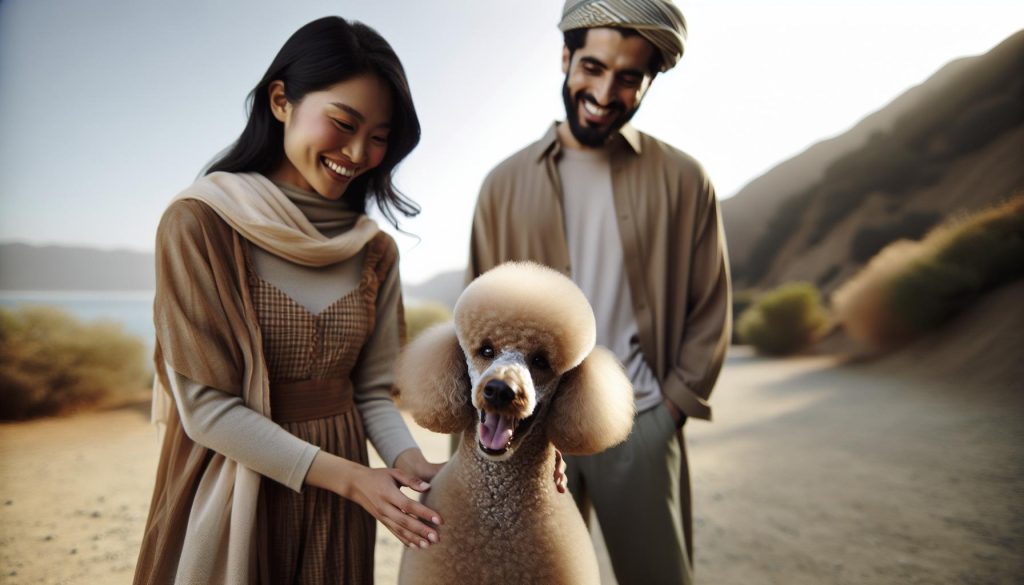
Poodles are not just adored for their intelligence and friendly demeanor; their striking appearance makes them stand out in the canine world. With their unique coat, captivating colors, and elegant features, understanding what a Poodle looks like is essential for anyone considering adding one to their family or simply wanting to appreciate this breed’s beauty. Did you know that Poodles come in three distinct sizes-Toy, Miniature, and Standard-all boasting the same fabulous coat type? As you delve into the world of Poodles, you’ll discover the fascinating variations in coat types and colors that can influence both their personality and care needs. Whether you’re an experienced owner or a curious newcomer, this guide will help illuminate the stunning aspects of Poodle appearance, ensuring you’re fully informed about what makes these dogs so special. Join us on this journey to explore the elegance, charm, and uniqueness of Poodles, and see why they capture the hearts of dog lovers everywhere!
What Makes Poodles Unique? A Look at Their Features
Poodles are often celebrated not just for their elegance, but also for their versatility and intelligence. With a rich history rooted in their origins as water retrievers, these dogs possess a unique blend of features that set them apart from other breeds. Their distinctive coat, characterized by a curly and hypoallergenic texture, not only contributes to their charming appearance but also serves practical purposes, such as minimizing shedding and allergies. Many owners find that this makes poodles particularly appealing, especially for families or individuals who may have sensitivities to pet dander.
In terms of physical appearance, poodles are notable for their graceful, athletic build. They come in three recognized sizes-Standard, Miniature, and Toy-allowing potential owners to choose a poodle that best fits their lifestyle. Each size variation retains the breed’s signature features, including the distinctive long, elegant neck and the refined, athletic posture. Moreover, the poodle’s facial expression is one of curiosity and intelligence, often highlighted by their dark, soulful eyes that convey a warm and inviting demeanor.
The coat of a poodle requires regular grooming to maintain its beauty and health. Owners must be prepared to commit to regular brushing to prevent matting and to schedule grooming sessions to keep their distinctive look. This aspect of poodle ownership is both a rewarding and responsible task, contributing to the bond between the dog and its owner. With proper care, poodles not only thrive in a home environment but also maintain their captivating appearance, making them a beloved companion for many dog enthusiasts.
In summary, poodles stand out with their unique coat, elegant posture, diverse sizes, and perceptive expressions. These features, coupled with their intelligence and affectionate nature, make them a truly exceptional breed, beloved by many around the world. For anyone considering adding a poodle to their family, understanding these attributes is the first step in embracing the joys and responsibilities of poodle ownership.
Exploring the Poodle Coat: Types and Textures
When it comes to the world of dog breeds, few can match the charm and uniqueness of the poodle, particularly when you dive into their iconic coat. A poodle’s coat is not just about appearance; it embodies the breed’s functional history and adaptability. The curly texture, often hailed for being hypoallergenic, is a hallmark that minimizes shedding and reduces dander, making poodles an excellent choice for allergy sufferers. This standout feature not only enhances their aesthetic appeal but also serves a practical purpose, allowing families and individuals to enjoy a dog without compromising on comfort.
Types of Poodle Coats
Poodles have distinct coat types that vary in texture and length, primarily categorized into two types: the “curly” coat and the “corded” coat. The majority of pet poodles sport a curly coat, characterized by tight, dense curls that provide insulation and repel water, thanks to their water-retaining nature-qualities that trace back to their ancestors as water retrievers. On the other hand, the corded coat develops long, rope-like strands that form as the dog matures. This coat type requires meticulous care and can be stylish but demands commitment to maintain its signature look.
Choosing the Right Style: If you’re a first-time poodle owner, starting with the traditional curly coat may be easier due to its compatibility with regular grooming schedules. The corded look, while stunning, generally suits more experienced owners who can dedicate the necessary time and effort to maintain its unique aesthetics.
Caring for Your Poodle’s Coat
Maintaining a poodle’s coat not only preserves its beauty but also contributes to the dog’s overall health. Here are some key care tips to keep in mind:
- Regular Brushing: Aim to brush your poodle at least every other day. This prevents matting and tangling while promoting healthy skin and fur.
- Grooming Appointments: Schedule professional grooming every 4-6 weeks to maintain the coat’s shape and condition. Regular trims help manage the hair’s length and keep it looking polished.
- Bathing: Bathe your poodle every 4 to 6 weeks with a gentle, dog-specific shampoo. Over-bathing can strip the natural oils, leading to dryness.
- Check Ears and Skin: Regular check-ups for ear wax buildup and skin irritations can help prevent health issues.
By integrating these practices into your routine, you’re not only enhancing your poodle’s physical appearance but also nurturing the bond between you and your furry companion. Your dedication to their coat care reflects your love and commitment, and it pays off with a happy, healthy poodle by your side.
Poodle Colors: A Comprehensive Overview
Poodles are renowned not just for their intelligence and charm but also for their stunning array of colors. This breed captivates dog lovers not only with its elegant posture and playful demeanor but also with its vibrant and diverse coat colors. Whether you’re drawn to the classic black or white poodle or fascinated by the rare apricot and silver shades, each color holds a unique appeal and potential considerations for prospective owners.
The poodle’s color can vary widely depending on the breeding line and individual traits. Common colors include black, white, brown, and apricot, while less common shades may include silver, gray, red, and even parti-color patterns. Here’s a quick overview of some popular poodle colors:
- Black: A classic and striking choice, black poodles are often associated with sophistication.
- White: Known for their pure and bright appearance, white poodles require diligent care to avoid discoloration.
- Apricot: These warm, golden tones add a rich depth to the poodle’s look and stand out beautifully.
- Brown: Also known as café au lait, brown poodles exude a unique warmth and can come in varying shades.
- Silver: This elegant shade can appear almost ethereal, especially when caught in the sunlight.
- Red: A vibrant, eye-catching color that’s gaining popularity among poodle enthusiasts.
- Parti-color: Featuring a mix of two or more colors, these poodles are perfect for those who adore unique patterns.
When selecting a poodle, it’s essential to keep in mind that coat color can sometimes be indicative of genetic health traits. Certain colors may have specific associations with genetic conditions, so it’s beneficial to discuss any concerns with a reputable breeder or veterinarian. Furthermore, many owners find that the grooming needs may vary slightly based on color. For instance, lighter colors may show dirt and staining more prominently, necessitating a more rigorous grooming routine.
Ultimately, the choice of color is a delightful aspect of choosing a poodle, but it should harmonize with your lifestyle and aesthetic preferences. Each poodle, regardless of their color, offers a wealth of joy, companionship, and love. Whether you’re championing for the classic black or the striking red, know that your poodle will bring their unique flair and personality into your life!
Poodle Size Variations: Standards, Miniatures, and Toys
Poodles come in a delightful array of sizes, making them one of the most versatile and beloved breeds around! Whether you’re drawn to the commanding presence of a Standard Poodle, the compact charm of a Miniature, or the adorable stature of a Toy, each size has unique attributes that can fit beautifully into various lifestyles and living situations. Understanding these size variations is key to choosing the right poodle for you.
Standards are the largest of the Poodle family, standing over 15 inches tall at the shoulder and typically weighing between 40 to 70 pounds. These elegant dogs are known for their athleticism and intelligence, often excelling in dog sports and obedience. Their size also makes them great companions for active families or individuals who enjoy outdoor activities. Miniature Poodles, on the other hand, range from 10 to 15 inches tall and weigh about 15 to 17 pounds. They strike a wonderful balance between portability and personality, making them suitable for both apartment living and suburban homes.
For those who prefer pint-sized pets, Toy Poodles will surely steal your heart! Typically standing under 10 inches and weighing about 4 to 6 pounds, these little bundles of joy are perfect for those seeking a tiny companion. Their small size doesn’t compromise their spunky personality; they remain alert, affectionate, and curious. However, potential owners must ensure they can provide a safe environment, as their diminutive stature makes them more susceptible to injury.
When considering which Poodle size fits your lifestyle, think about your living situation, activity level, and grooming commitment. Each size brings its own set of personality traits, care needs, and training challenges. Regardless of the size, every Poodle is sure to bring immense joy and companionship into your life, making them a cherished family member for years to come.
Understanding Poodle Facial Features: Expression and Elegance
Poodles are renowned not only for their intelligence and versatility but also for their striking facial features that exude both elegance and character. The distinct appearance of a Poodle’s head contributes significantly to its overall charm. One of the most recognizable aspects is the Poodle’s long, refined muzzle, which provides a graceful look and enables a strong expression. This elegance is complemented by their expressive dark eyes, which can convey a range of emotions, making them appear inquisitive and alert. Whether they are engaging in play or relaxing, their facial expressions can reflect both joy and curiosity, drawing the attention of anyone nearby.
Understanding these features is crucial when evaluating Poodles, especially for prospective owners looking for a particular aesthetic or personality trait. The breed traditionally showcases a well-defined stop, which adds to the refined appearance of the head. Poodles come in three sizes-Standard, Miniature, and Toy-yet all share the same elegant expressions. The variations in size may affect the proportion of facial features, but the overall grace remains consistent across all types. Many owners note that their Poodles showcase a remarkable ability to express themselves through facial cues, making them not only beautiful pets but also responsive companions.
Grooming also plays a vital role in accentuating these charming features. Regular grooming, which includes trimming the face and ears, helps maintain their elegant silhouette. Many owners choose specific styles like the continental or puppy clip, which can highlight certain aspects of their Poodle’s facial structure while also keeping them comfortable. When it comes to care, it’s important to stay on top of regular grooming sessions to ensure that their lovely facial features shine through without being obscured by unruly fur.
In addition to looks, Poodle owners often find their pets have a unique personality that shines right through those elegant expressions. With a blend of playfulness and seriousness, a Poodle can steal the spotlight with just a look. Whether you’re considering adopting a Poodle or already have one, paying attention to their facial features can deepen your appreciation for this talented breed and further enhance the bond between you.
Grooming Tips for Poodles: Maintaining Their Signature Look
Regular grooming is essential for Poodles, not just to keep them looking fabulous but also to maintain their health and well-being. Their unique, curly coat requires a commitment to prevent matting and to keep their skin nice and healthy. Did you know that a well-groomed Poodle not only turns heads but also showcases the elegance of their distinctive features? Here are some key tips to ensure your Poodle remains the epitome of style and grace.
Start by establishing a grooming routine. Most Poodle owners recommend brushing your furry friend at least 2-3 times a week. This frequency helps to remove loose hair and prevents tangles. Use a slicker brush or a pin brush, as these tools can navigate their dense coat effectively. For those with especially curly or thick coats, consider using a comb to work through any stubborn areas after brushing.
Bathing and Drying
Bathing is another crucial aspect of maintaining that stunning Poodle look. Aim to bathe your Poodle every 4-6 weeks or as needed, based on their activity level and exposure to dirt. Use a gentle, dog-specific shampoo to avoid irritating their skin. After the bath, thoroughly dry your Poodle, preferably with a dog dryer or a towel to avoid chilling them. Many Poodle parents suggest using a conditioning spray post-bath to help detangle those locks.
Keep the Face and Ears Pristine
Pay special attention to your Poodle’s face and ears, as these areas are prone to matting and can harbor moisture. Regularly trim the hair around their eyes and ears to keep their vision clear and to prevent any infections. A good rule of thumb is to check their ears for any signs of redness or odor, which can indicate problems requiring a vet’s attention. Additionally, consider cleaning their ears weekly using a vet-recommended ear cleaner.
By implementing these grooming practices, you not only preserve your Poodle’s beautiful appearance but also contribute to their overall health. Remember, grooming is an opportunity to strengthen the bond with your Poodle while ensuring they feel their best! So, gather your tools, and make grooming a joyful part of your routine-your elegant companion deserves it!
Personality Traits of Poodles: What to Expect
Poodles are not just visually striking with their elegant coats and refined features; they also possess personality traits that make them truly unique companions. Known for their intelligence and sociability, Poodles have a natural charm that draws people in. Whether you’re considering welcoming a Poodle into your home or you already have one, understanding their temperament can help you foster a strong bond and create a harmonious living environment.
These dogs are often described as friendly and affectionate. They thrive on interaction with their families and enjoy being part of the daily activities. Poodles have a remarkable ability to adapt to various lifestyles, making them suitable for families, singles, and seniors alike. Their playful nature and high energy levels can lead to delightful moments of entertainment, whether they’re playing fetch or showing off their agility skills. Socialization from a young age is key to ensuring that they remain open and friendly with both human and canine companions; this helps mitigate any potential shyness around newcomers or unfamiliar situations.
An equally noteworthy trait is their intelligence, which ranks them among the most trainable dog breeds. Poodles have a natural eagerness to please and often excel in obedience training, making them excellent candidates for various canine sports and activities. They can learn tricks and commands quickly, which not only keeps them engaged but also strengthens the bond between you and your dog. Incorporating positive reinforcement during training sessions-like treats and praise-can significantly enhance their learning experience.
However, it’s essential to keep in mind that their emotional sensitivity makes them responsive to the mood of their owners. Poodles do best in environments filled with positive reinforcement and gentle encouragement. They can be quite sensitive to harsh discipline, which can lead to anxiety or behavioral issues. Thus, accompanying their training with affection and patience is crucial to raising a well-adjusted Poodle.
In summary, the vibrant personality of a Poodle-marked by friendliness, intelligence, and playfulness-makes them exceptional companions. By understanding their needs and traits, you can nurture their unique qualities for a rewarding relationship filled with love and joy.
Poodle Health Considerations: Breed-Specific Insights
Poodles are not only adored for their striking appearance and intelligence, but they also come with specific health considerations that prospective and current owners should be aware of. Understanding these breed-specific health insights can empower you to make informed decisions, ensuring that your Poodle lives a long, happy life. For example, Poodles are prone to certain genetic health issues, including hip dysplasia, progressive retinal atrophy, and skin conditions. Regular veterinary check-ups and a responsible breeding choice are crucial to mitigating these risks.
Common Health Issues
Poodles are generally robust dogs, but like all breeds, they’re susceptible to certain health problems. Here’s a closer look at some issues to watch for:
- Hip Dysplasia: This genetic condition can lead to arthritis, pain, and mobility issues. Regular exercise and maintaining a healthy weight can help manage symptoms.
- Progressive Retinal Atrophy (PRA): This inherited condition causes gradual vision loss. Early detection via routine vet exams can aid in coping strategies.
- Skin Conditions: Poodles often experience skin allergies or infections due to their unique coats. Frequent grooming can prevent matting, which can trap moisture and lead to issues.
- Ear Infections: Thanks to their curly ears, Poodles may be prone to ear infections. Regular cleaning and check-ups can help keep infections at bay.
Preventative Care
A proactive approach is essential to ensuring a healthy life for your Poodle. Here’s a quick care checklist to consider:
- Regular Vet Visits: Schedule check-ups at least once a year to monitor your dog’s health and catch any potential problems early.
- Vaccinations: Stay on top of necessary vaccinations to protect against common diseases.
- Exercise: Provide daily exercise to maintain healthy joints and a well-balanced temperament.
- Balanced Diet: Feed high-quality dog food and consult with your veterinarian regarding proper nutrition based on your Poodle’s age, size, and lifestyle.
- Grooming: Regular grooming not only keeps their coat looking fabulous but also allows for early detection of skin issues or abnormalities.
By remaining vigilant and committed to their health, you can ensure your Poodle not only thrives but also enjoys all the adventures life has to offer by your side. Taking the time to learn about these aspects of Poodle care not only enhances your pet’s well-being but also enriches your experience as a devoted owner.
Comparing Poodles with Other Breeds: Key Differences
When it comes to comparing Poodles with other breeds, their unique characteristics truly stand out, especially in terms of appearance, temperament, and care needs. Poodles are renowned for their distinctive curly coats, which not only give them an elegant silhouette but also require specific grooming techniques unlike those needed for many other breeds. While breeds like Labradors or Golden Retrievers have coats that shed frequently and can require straightforward brushing, Poodles need a regular grooming routine to prevent matting, maintain their signature look, and keep their skin healthy.
Coat Comparison
Poodles possess a hypoallergenic coat made up of dense, curly hair, which is quite different from the straight or wavy fur found in breeds such as Beagles or Bulldogs. This unique texture allows them to trap dander and allergens, making them a popular choice for allergy sufferers. However, the grooming demands are substantial-weekly brushing and regular professional trims help to keep their coat in optimal condition. In contrast, breeds like Cocker Spaniels may also have hair that requires grooming, but fewer styling techniques are involved compared to the meticulous care a Poodle’s coat demands.
Size Variations and Specific Traits
Another notable difference is the variety within the Poodle breed itself-Standard, Miniature, and Toy Poodles each offer distinct sizes yet share similar traits. This contrasts with other breeds that may only have one standard size. For instance, while a Dachshund comes in standard and miniature forms, the fundamental appearance and grooming care do not vary as dramatically as they do within the Poodle breed. Thus, when choosing a Poodle, owners can select a size that best fits their lifestyle, whether they have space for a larger dog or prefer the compact nature of a Toy Poodle.
Temperament and Trainability
In terms of personality, Poodles are known for their intelligence and eagerness to please, making them highly trainable compared to some other breeds. While breeds like Boxers might have a more energetic and rambunctious nature, requiring more exertion during training, Poodles often excel in obedience and agility due to their sharp minds. This innate desire to learn can be both a blessing and a responsibility, as it necessitates ongoing mental stimulation to keep them engaged. With regular training sessions, Poodles not only enjoy the process but also thrive in environments that challenge their abilities.
When considering a Poodle versus other breeds, prospective owners should weigh these aspects carefully. Poodles offer unmatched elegance and adaptability across sizes, but they come with specific grooming and training commitments that are essential for a happy, healthy life. Understanding these key differences will empower potential owners to make informed choices that lead to a fulfilling companionship with their canine friends.
How to Choose the Right Poodle for Your Lifestyle
Choosing the perfect Poodle for your lifestyle can feel like a delightful challenge, given their diverse sizes and personalities. With their elegant looks and charming traits, Poodles fit a variety of homes, from bustling families to cozy apartments. Before you decide, reflect on your living space, daily activities, and the time you can dedicate to a furry companion. Not only will these factors help narrow down the type of Poodle you should consider, but they’ll also ensure a harmonious match between you and your new friend.
To kick off your selection process, understand the three main Poodle sizes: Standard, Miniature, and Toy. Each size brings unique characteristics suited for different lifestyles. For example, Standard Poodles typically thrive in larger homes with space to romp and play, making them great for active families or individuals who enjoy outdoor activities. On the other hand, Miniature Poodles can adapt well to smaller living situations while still needing regular exercise. If you’re in a compact apartment, a Toy Poodle might be the best fit, as their small size makes them surprisingly adaptable to such environments. Using a simple decision matrix can help:
| Size | Lifestyle Fit | Exercise Needs |
|---|---|---|
| Standard | Active families, rural settings | High; daily walks + playtime |
| Miniature | Moderately active individuals, suburban homes | Medium; daily walks |
| Toy | Apartment dwellers, elderly owners | Low; short walks + indoor play |
In addition to size, consider the energy levels of different Poodles. Generally, all Poodles are intelligent and eager to please, but they can vary in temperament. A High-Energy Standard Poodle will thrive in a home where playtime and frequent training sessions are part of the daily schedule, while a laid-back Toy Poodle may prefer cuddling on the couch for hours. Reflect on how you see your life unfolding with a dog: Are you consistent with routines? How often can you engage in play or training?
Don’t forget about grooming-while Poodles are adored for their hypoallergenic, curly coats, maintaining their signature look requires commitment. Be prepared to invest time in regular grooming sessions to keep their coats looking glossy and mat-free. If you’re unsure about handling these grooming needs, consider whether you would prefer to invest in professional groomers or learn the skills yourself.
Ultimately, bringing a Poodle into your life should feel exciting rather than overwhelming. By aligning their size, energy, and grooming needs with your personal lifestyle, you will pave the way for a rewarding partnership with a canine companion that truly fits your world.
Poodle Care Checklist: Essential Needs for Owners
Ensuring a happy and healthy life for your Poodle begins with a well-structured care checklist tailored specifically to their unique needs. Given their beautiful, hypoallergenic coats that come in various textures and colors, attention to grooming, nutrition, exercise, training, and health care is essential. When you think about bringing a Poodle into your home, it’s significant to equip yourself with the right knowledge and resources to give them the love and care they deserve.
Grooming Essentials
Poodles require regular grooming to maintain their distinctive curly coat and prevent matting. Here’s what you should include in your grooming routine:
- Brushing: Daily brushing is recommended to keep their coat mat-free and healthy.
- Bathing: A bath every 3 to 4 weeks can help keep their coat clean and conditioned.
- Professional Grooming: Consider scheduling visits to a professional groomer every 4 to 6 weeks for specialized haircuts and ear cleaning.
- Ear Care: Regularly check and clean their ears to prevent wax buildup or infections.
- Nail Trimming: Trim their nails at least once a month to keep them comfortable, especially if they are indoors most of the time.
Nutrition and Diet
Feeding your Poodle a balanced diet is crucial for their overall health, impacting everything from their coat’s shine to their energy levels. Consider these tips:
- Quality Dog Food: Choose high-quality, breed-appropriate kibble or wet food, ideally tailored to their size and age.
- Fresh Water: Ensure they have access to clean, fresh water at all times.
- Weight Management: Monitor their weight to prevent obesity, which is a common concern in Poodles, particularly in Teacup varieties.
Exercise Needs
Poodles are energetic and intelligent dogs that thrive on regular exercise and mental stimulation. Here’s how to meet their needs:
- Daily Walks: Aim for at least 30 minutes of brisk walking each day, plus playtime to keep their energy levels balanced.
- Mental Stimulation: Engage them with puzzle toys, obedience training, or agility tasks to keep their minds active.
Health Care
Routine veterinary visits and preventative care are essential for your Poodle’s well-being:
- Regular Vet Check-ups: Schedule wellness visits at least once a year to monitor their overall health.
- Vaccinations: Keep up with vaccinations and preventative treatments (like flea and tick prevention).
- Dental Care: Invest in dental care products and consider professional cleanings to maintain their oral health.
By adhering to this checklist, you can set a solid foundation for a happy and fulfilling life with your Poodle. Whether you opt for a Standard, Miniature, or Toy Poodle, embracing the joys and responsibilities of pet ownership leads to a deep, rewarding bond. Take the time to understand your Poodle’s specific needs, and you’ll be well on your way to providing a loving, nurturing environment where they can thrive.
Training Your Poodle: Best Practices for Success
Training a Poodle is not just about teaching commands; it’s about building a lasting bond based on trust and understanding. These intelligent and eager-to-please dogs thrive on positive reinforcement and respond best to engaging, enjoyable training sessions. If you’re lucky enough to share your life with a Poodle, you’re in for a rewarding experience that can make learning a fun adventure for both of you!
One effective approach to training your Poodle is to incorporate their natural curiosity and playfulness. Start with basic commands like “sit,” “stay,” and “come,” using treats and praise as rewards. Poodles, with their keen senses and agility, tend to excel in more advanced training as well. Incorporating agility courses or interactive games can not only stimulate their minds but also enhance their physical skills. Remember, sessions should be short and energetic to keep their attention. Aim for around 5-10 minutes per session, several times a day, ensuring to end on a positive note to maintain their enthusiasm.
Consistency is key in your training regimen. Establishing a routine helps your Poodle understand what is expected. When teaching commands, use the same verbal cues and gestures each time. Consistent practices build confidence and ensure your Poodle learns effectively. Additionally, socialization plays a crucial role in a Poodle’s development. Expose them to different environments, people, and other animals from a young age to foster their adaptability and friendly demeanor.
As you embark on your training journey, remember patience is essential. Celebrate the small victories and be prepared for occasional setbacks. Each Poodle is unique, with individual learning paces. Engaging in group training classes can be beneficial; they not only provide socialization opportunities but also allow you to learn from experienced dog trainers. With dedication, empathy, and a little creativity, your Poodle will not only look magnificent with their beautiful coat and elegant features but will also develop into a well-mannered and lovable companion.
Frequently asked questions
Q: What are the different types of Poodle coats?
A: Poodles have three main coat types: the curly coat, which is dense and creates tight curls; the wavy coat, which is less dense and has looser waves; and the corded coat, where the hair forms long, rope-like cords. Each type requires specific grooming techniques to maintain its appearance.
Q: Can Poodles have different coat colors?
A: Yes, Poodles come in a variety of colors including black, white, apricot, red, and gray, along with multi-colored patterns like brindle and phantom. This wide spectrum allows for personal choice in appearance, reflecting the versatility of the breed.
Q: How do you identify a Standard vs. a Miniature Poodle?
A: The Standard Poodle typically measures over 15 inches at the shoulder and has a more robust build, while the Miniature Poodle stands between 10 to 15 inches. Size differences not only affect appearance but can also influence personality and energy levels.
Q: What are common facial features of Poodles?
A: Poodles are known for their distinct facial features, including a long, straight muzzle, dark, expressive eyes, and a rounded skull. Their ear shape, which hangs close to the head, adds to their elegant appearance, making them easily recognizable.
Q: How does the grooming process differ for Poodles?
A: Grooming Poodles involves regular brushing to prevent matting and professional grooming every 4 to 6 weeks. The specifics can vary based on coat type; for instance, curly coats need different treatments than corded ones. Maintaining their signature look requires vigilance and care.
Q: What are the characteristics of a Poodle’s coat texture?
A: Poodle coats are dense and can be either curly or wavy, providing both insulation and water resistance. The texture is hypoallergenic, meaning they shed less dander and hair, making them a suitable breed for allergy sufferers.
Q: Why do Poodles have a unique grooming style?
A: Poodles’ unique grooming styles, like the ‘lion cut,’ not only serve aesthetic purposes but also provide functional benefits such as maintaining ease of movement and reducing matting. These styles are often chosen for their beauty and practical grooming needs.
Q: What is the importance of coat maintenance for Poodles?
A: Regular coat maintenance is crucial for Poodles to prevent matting and skin issues. A well-maintained coat enhances their appearance and overall health, which includes regular brushing and professional grooming every few weeks.
Concluding Remarks
Now that you’ve explored the fascinating world of Poodle coats, colors, and features, it’s time to consider what this means for you and your potential furry friend! Poodles are not just about looks; they are also intelligent, energetic, and loving companions. If you’re ready to dive deeper, check out our articles on “Poodle Temperament and Training Tips” and “Essential Care for Your Poodle’s Coat” to ensure you’re fully prepared for pet ownership.
Don’t miss out on more valuable insights-sign up for our newsletter for the latest tips and resources tailored for Poodle lovers! Whether you have concerns about grooming or are eager to learn more about different Poodle sizes and their unique needs, we are here to support you every step of the way. Join our community by leaving a comment or sharing your own Poodle experiences; we’d love to hear from you!
With your newfound knowledge, you’re equipped to make informed decisions about your Poodle’s care. Explore our site further to discover all the essential guidance you need, and let’s embark on this journey together!