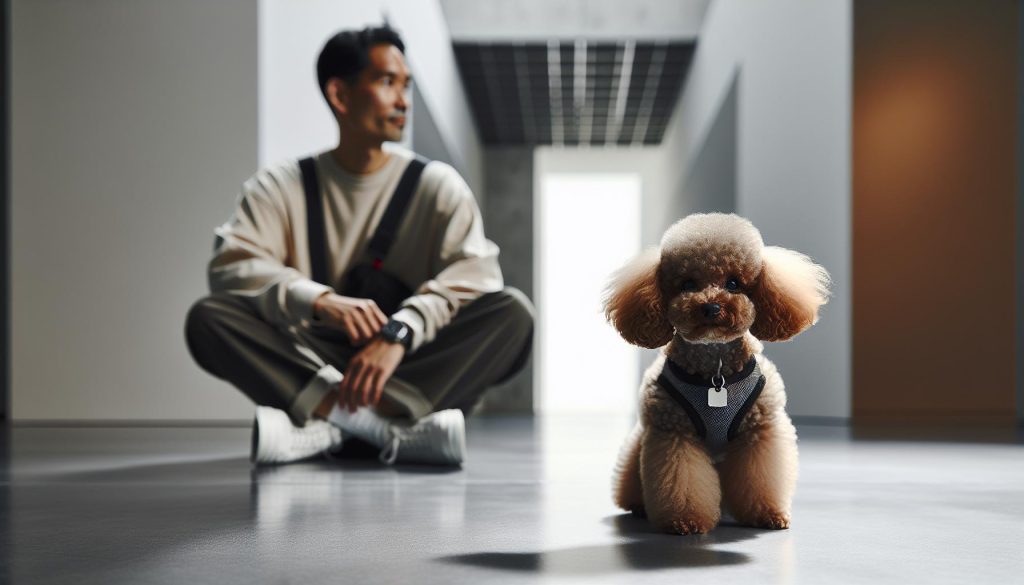
When it comes to charming companion dogs, the Toy Poodle stands out with its delightful appearance and endearing personality. These tiny, intelligent canines not only boast a distinctive curly coat but also possess a playful and affectionate spirit that makes them beloved by families and individuals alike. Understanding what a Toy Poodle looks like is essential, especially for potential owners seeking the perfect pet to fit their lifestyle. With their graceful stature, bright eyes, and distinctive grooming needs, these dogs are as beautiful as they are engaging. Whether you’re considering adding a Toy Poodle to your family or simply curious about this enchanting breed, exploring their unique characteristics will help you appreciate their charm. So, let’s delve into the world of Toy Poodles and discover what makes their appearance so captivating!
What is the Size and Weight of a Toy Poodle?
Toy Poodles are admired not just for their intelligence and elegance but also for their remarkably small size. Typically, a Toy Poodle stands about 10 inches (25 cm) tall at the shoulder and weighs around 4 to 6 pounds (1.8 to 2.7 kg). This petite stature makes them the tiniest of the Poodle varieties, perfectly suited for apartment living or companionship without requiring vast open spaces. Despite their small size, they carry themselves with a confident demeanor, often seeming to believe they are much larger than they actually are.
The size of a Toy Poodle also influences its longevity and health. Generally, smaller dogs tend to live longer than their larger counterparts. Toy Poodles can thrive for 12 to 15 years or even longer with appropriate care. However, potential owners should consider that very small sizes might sometimes lead to certain health issues, such as dental problems or patellar luxation, which can affect their quality of life.
When evaluating the size and weight of a Toy Poodle, it’s essential to remember that, like humans, individual dogs can vary significantly. Some may fall slightly below the weight range, while others may be on the upper end, depending on genetics and overall health. Maintaining a healthy diet and providing regular exercise is crucial, as it helps not only to keep your Toy Poodle within an appropriate weight range but also contributes to their overall well-being and happiness.
Distinctive Features: Coat Color and Texture
Poodles, especially the Toy variety, are famous for their luxurious, curly coats that not only look elegant but serve a practical purpose as well. One fascinating fact is that Toy Poodles come in a rich spectrum of colors, which contributes to their allure. Common colors include apricot, black, and white, as well as shades like gray, cream, and even blue. This variety allows for a personalized touch when selecting a pup that fits your aesthetic preferences, making it easy to find one that feels like the perfect fit for your home.
The texture of a Toy Poodle’s coat is another distinctive feature that sets them apart. Their fur is dense, curly, and hypoallergenic-perfect for those who might suffer from allergies. The curls trap dander and hair, significantly reducing shedding and making them ideal companions for allergy sufferers. However, this beautiful coat comes with the responsibility of regular grooming to maintain its health and appearance. Without proper care, their fur can mat and tangle, leading to discomfort and skin issues. It’s advisable to establish a grooming routine that includes regular brushing and professional grooming sessions every 4 to 6 weeks to keep their coat looking its best.
When considering the coat care of a Toy Poodle, remember that their skin also needs attention. A balanced diet rich in omega fatty acids can enhance coat quality, while regular baths using gentle dog shampoos help keep their skin and fur clean and free from irritants. Always monitor the condition of their coat and skin, as any changes can indicate underlying health issues. By investing time in coat care, you ensure that your Toy Poodle will not only look adorable but also feel great.
In summary, the combination of color and texture in a Toy Poodle’s coat is a significant aspect of their physical appearance. With appropriate grooming and care, they’ll continue to be a striking presence wherever they go, showcasing their vibrant colors and plush curls for all to admire.
Understanding the Toy Poodle’s Face and Eyes
The enchanting face of a Toy Poodle is one of its most captivating features, often described as expressive and full of personality. Their rounded skull and slightly rounded muzzle give them a sweet, endearing look that melts the heart. Typically weighing around 4 to 6 pounds and standing about 10 inches tall, these tiny companions boast a face that seems almost human-like, which is part of their undeniable charm. Toy Poodles are known for their dark, intelligent eyes that are not only striking but also reflect their alertness and curiosity. These expressive eyes can convey a range of emotions, making them wonderful companions who can easily connect with their owners.
Understanding the importance of regular eye care is crucial for ensuring your Toy Poodle’s health. Their eyes should be clear, bright, and free from discharge. Regular checks during grooming sessions can help identify any signs of irritation or infection early on. If you notice excessive tearing or redness, it’s advisable to consult with a veterinarian. Keeping their facial fur trimmed can prevent eye irritation caused by hair entering their eyes. Furthermore, using a damp cloth to gently wipe away any debris can keep their faces looking fresh and clean.
Moreover, the shape and set of a Toy Poodle’s eyes can sometimes vary, depending on breeding; however, the most desirable standard features are described as oval and well-defined. These characteristics not only enhance their beauty but are also linked to their overall health. A Toy Poodle’s face, collectively with its eyes and muzzle, reflects a balance of elegance and playfulness, embodying the very spirit of this delightful breed. When selecting a Toy Poodle puppy, be attentive to facial features that are harmonious and aligned with the breed standards, ensuring a pup that not only looks good but is likely to be a healthy and happy companion.
Body Shape and Proportions of a Toy Poodle
When you first lay eyes on a Toy Poodle, their delicate body shape and proportions might take your breath away. This tiny breed boasts a well-balanced silhouette that exudes elegance and charm. These dogs typically stand around 10 inches tall at the shoulder and weigh between 4 to 6 pounds, making them one of the smallest members of the Poodle family. Despite their diminutive size, they possess an agile and athletic build that reflects their playful and intelligent nature.
The Toy Poodle’s body is characterized by a square shape, which is a hallmark of the breed. Their bodies are slightly longer than they are tall, but the proportions should give the impression of a compact and sturdy frame. This balance is essential not only for their aesthetics but also for their health and vitality. The legs are straight and strong, supporting their energetic movements while allowing for agility and grace. A well-structured Toy Poodle will also have an elegant neck that flows seamlessly into a refined head, contributing to their striking appearance.
Their overall body shape allows for a variety of movement, from playful jumps to brisk walks, showcasing their joyful spirit. As energetic little beings, it’s important for Toy Poodles to engage in regular exercise to maintain their fit and healthy stature. A lack of physical activity can lead to obesity, which may negatively impact their general health and appearance, so ensure they have plenty of opportunities to play and explore. Consider incorporating a blend of indoor playtime and outdoor walks to keep your Toy Poodle in shape and happy.
Lastly, when choosing a Toy Poodle, look for one whose body proportions align closely with breed standards. Puppies should appear well-structured and should not exhibit any signs of being overly elongated or stout. A balanced body shape not only enhances their beauty but also contributes to their overall well-being. So, whether you’re welcoming a new furry friend into your family or observing these delightful companions, appreciating their distinctive body shape is an essential part of understanding what makes Toy Poodles truly special.
Temperament Traits Reflected in Appearance
When you look at a Toy Poodle, you might notice not just their striking physical features, but also the way their appearance reflects their lively and intelligent temperament. These delightful little dogs are renowned for their playful personalities, which often shine through in their expressions and body language. A Toy Poodle’s bright, alert eyes, typically set in a beautifully proportioned face, exude curiosity and confidence. Their expressive features can often communicate emotions, from excitement during play to calmness when cuddling with their favorite person.
The coat of a Toy Poodle is another telling aspect that mirrors their temperament. Their soft, curly fur gives them an air of elegance and charm, while also hinting at their friendly and affectionate nature. Owners often describe their Toy Poodles as velvety little clouds, and their cuddly appearance invites snuggles and interaction. The grooming required to maintain that magnificent coat can also be a bonding activity, reflecting the social and affectionate traits for which these dogs are known. Regular grooming not only keeps their coats looking pristine but also gives you a chance to engage with your poodle, reinforcing the bond that accentuates their inherently friendly demeanor.
Moreover, their compact and agile build speaks volumes about their energetic spirits. Toy Poodles are always ready for fun, and their well-proportioned bodies enable them to leap and frolic with grace. This physical exuberance embodies their playful nature, making them ideal companions for active families or individuals who appreciate a dog’s enthusiasm for life. You might find yourself swept away in their joyful antics, whether it’s chasing after a toy or just engaging in playful games around the house.
Finally, understanding that a Toy Poodle’s appearance is a reflection of their temperament can help new owners appreciate what makes these dogs so special. Their refined looks coupled with vibrant personalities mean they often stand out in any setting-whether at a dog park or snuggled up on the couch. These dogs are not just pretty faces; their appearance mirrors their character-playful, loving, and ever so spirited. When choosing a Toy Poodle, consider how their look resonates with their bold yet sweet nature, as it lays the foundation for the fulfilling companionship ahead.
Common Health Issues Affecting Appearance
When it comes to the health of Toy Poodles, their appearance can be significantly influenced by various health issues that are common within the breed. Recognizing these concerns early can help ensure that your furry friend remains vibrant and healthy while retaining their charming looks. For example, skin conditions like allergies can result in excessive scratching and irritation, often leading to a dull coat or even hair loss. Regular check-ups with your veterinarian can help identify and manage such issues before they negatively affect your Toy Poodle’s appearance.
Dental health is another critical factor affecting Toy Poodles. Due to their small mouths, they can be prone to dental problems, including overcrowding and gum disease. These issues not only cause discomfort but can also lead to bad breath and even tooth loss, affecting how their smile appears. Keeping up with regular dental care-like brushing their teeth and providing dental chews-can help mitigate these problems, ensuring your Toy Poodle retains that adorable, expressive face.
Eyesight problems are also noteworthy, as Toy Poodles can develop conditions like cataracts or progressive retinal atrophy (PRA). These health issues might change how they interact with their environment and could lead to a duller, less lively expression. Keeping an eye on your dog’s vision and addressing any concerns with your veterinarian is crucial for maintaining their spirited outlook and lively demeanor.
Lastly, being aware of joint issues like luxating patellas can also affect your Toy Poodle’s overall appearance and movement. A dog that is in pain or uncomfortable may not showcase the typical energetic and playful posture associated with this breed. Maintaining a healthy weight through proper diet and exercise can help prevent these joint issues, allowing your Toy Poodle to truly shine in their stature and activity levels.
By staying informed about these health concerns, you can help ensure your Toy Poodle not only looks their best but also feels great, reflecting their happy and loving personality. Empowering yourself with knowledge about the common health issues affecting their appearance will not only enhance your Toy Poodle’s attractiveness but also foster a long, fulfilling companionship.
Comparing Toy Poodles to Other Poodle Sizes
Toy Poodles have a distinctive charm all their own, but when compared to their larger Poodle counterparts-the Standard and Miniature varieties-they showcase unique traits that set them apart. Understanding these differences can help potential owners appreciate the remarkable qualities of this tiny breed. Toy Poodles typically weigh between 4 to 6 pounds and stand slightly over 10 inches tall at the shoulder, making them the smallest of the Poodle types. This petite size not only contributes to their adorable appearance but also influences their behavior and training needs.
In terms of physical characteristics, while all Poodles share that iconic curly coat, Toy Poodles often exhibit a more delicate build. Their bodies are compact and sturdy, proportionate to their tiny frames, whereas Standard Poodles are more elongated and larger in stature. The coat texture remains consistent across all sizes, with a soft, dense, and hypoallergenic quality, but grooming needs might vary slightly due to the complexity of maintaining a smaller dog’s fur. Regular grooming is crucial to prevent matting, given their high grooming needs.
One of the standout features of Toy Poodles compared to their larger relatives is their temperament. While all Poodles are known for their intelligence and trainability, Toy Poodles often showcase a more playful and energetic demeanor. Their small size allows them to adapt well to apartments and smaller living spaces, making them ideal companions for city dwellers. However, potential owners should keep in mind that their socialization needs will also differ; Toy Poodles can be more sensitive to environmental changes and should be exposed to various experiences early on to help build their confidence.
In summary, when comparing Toy Poodles to Standard and Miniature Poodles, one must appreciate not only the physical size and structure but also the temperament and lifestyle adaptability that comes with being the smallest member of the Poodle family. Owners should approach their care holistically, considering grooming, socialization, and training techniques that cater specifically to this tiny yet vibrant breed. Understanding these nuances will foster a strong bond and ensure that your Toy Poodle thrives in their environment.
Grooming Needs: Maintaining That Fluffy Look
Keeping your Toy Poodle looking their best is a delightful journey, filled with cuddles and the joy of maintaining that iconic fluffy appearance that makes them so endearing. A well-groomed Toy Poodle not only looks beautiful but also stays healthy and comfortable. With their dense, curly coat, regular grooming is essential-not just for aesthetic reasons, but also to prevent matting and skin issues that can arise if neglected.
To stay on top of your Toy Poodle’s grooming needs, consider following a practical checklist:
- Brushing: Aim to brush their coat at least 3 to 4 times a week. Use a slicker brush to remove tangles and a comb to reach the undercoat. This is important because Toy Poodles can develop matting easily, especially behind the ears and under the legs.
- Bathing: Bathe your Toy Poodle every 3 to 4 weeks using a mild dog shampoo to preserve their natural oils. Overbathing can strip these oils, leading to dryness.
- Trimming: Schedule regular grooming appointments-typically every 4 to 6 weeks-to maintain their characteristic fluffy shape. You can choose between various styles, like the “puppy cut” for a low-maintenance look or the more traditional style that showcases their elegant curls.
- Nail Clipping: Trim their nails every 2 to 4 weeks. Keeping nails short helps maintain their comfort and prevents any injuries.
- Ear Care: Check and clean your Toy Poodle’s ears weekly to prevent infections. Use a vet-recommended solution and cotton balls for cleaning.
From my personal experience, I’ve found that introducing grooming routines when your Toy Poodle is a puppy can help them accept grooming as a normal part of life. Many dogs enjoy the one-on-one time and bonding it provides. Moreover, during grooming, take the opportunity to check your dog for any skin issues or unusual lumps, allowing for early detection of health problems.
Remember, grooming is not just about maintaining your Toy Poodle’s appearance; it’s integral to their well-being. By investing time in their grooming, you’re fostering a happier and healthier pup who will feel more comfortable and confident in their fluffy skin. Whether you choose to DIY or visit a professional groomer, keep these tips in mind. Enjoy the process, and don’t forget that each grooming session is a chance to strengthen the bond with your precious Toy Poodle!
Age and How It Affects a Toy Poodle’s Appearance
As Toy Poodles age, they exhibit a fascinating transformation that affects their appearance and overall demeanor. Puppyhood is characterized by a soft, fluffy coat that’s often lighter in color and full of that lovable poodle bounce. However, as they transition into adulthood, the texture and thickness of their coat can change. Adult Toy Poodles tend to have denser, curlier fur that is more refined, contributing to their well-known sophisticated look.
A significant milestone in the appearance of a Toy Poodle occurs when they reach about 18 months to 2 years of age. During this period, you might notice that their body shapes become more defined, which may also include a slight increase in muscle tone. Many owners find that their pup’s coat color may deepen or change slightly over the years-these variations can be particularly striking in breeds like the Toy Poodle, known for their diverse palette of shades, including apricot, cream, and black.
Grooming and Age
Regular grooming is vital at all stages of a Toy Poodle’s life, but it takes on an even deeper importance as they age. Older poodles may experience a decline in mobility, making them less tolerant of lengthy grooming sessions. Owners should take into account their poodle’s comfort and adapt grooming routines accordingly-shorter, more frequent grooming appointments can help keep their coat in top condition without overwhelming them. Additionally, older Toy Poodles may develop skin sensitivity, so choosing appropriate products during grooming becomes essential.
Be mindful of a poodle’s dental health as they age, as dental issues can affect their overall appearance. A significant number of Toy Poodles can develop dental problems, which can lead to weight loss and changes in facial structure due to discomfort. Regular dental care not only impacts their health but also maintains their sparkly smile and overall likeability.
In conclusion, understanding how a Toy Poodle’s appearance changes with age allows owners to provide the best care possible and celebrate their canine companion’s unique beauty at every life stage. Regular check-ups with the veterinarian, alongside attentive grooming and a nutritious diet, will help keep your Toy Poodle looking vibrant and healthy throughout their life. The joy of watching your Toy Poodle age gracefully is truly one of life’s little treasures!
Personality Reflected in Their Physical Traits
The Toy Poodle is not just a strikingly cute companion; their physical traits often mirror their vibrant personality. With a combination of elegance and intelligence, Toy Poodles typically showcase a playful and engaging demeanor that shines through their expressive faces and lively body language. For instance, the bright, inquisitive eyes of a Toy Poodle can convey their eagerness to explore their surroundings and engage with their human family. Their facial expressions, often marked by a gentle curiosity, reflect their affectionate nature. Whether they’re cocking their head in curiosity or perking up their ears at the sound of a treat bag, these expressions can tell you a lot about their spirited personality.
The structure of a Toy Poodle also plays a crucial role in their character. Their compact and well-proportioned body reflects both playfulness and agility, characteristics intrinsic to their nature. This little breed is known for its boundless energy and enthusiasm, and their physical build allows them to express this through playful hops and quick sprints. Owners often find that their Toy Poodle’s activity level and eagerness to participate in playtime are directly proportional to their sturdy yet petite frame. When a Toy Poodle is excited, you’ll often see them bouncing with joy, showcasing not only their athleticism but also their lively spirit.
Moreover, grooming contributes to the interplay between a Toy Poodle’s appearance and personality. A well-groomed poodle often carries an air of sophistication, reflecting a confident and social demeanor. Conversely, a scruffy or unkempt appearance may suggest neglect or discomfort, which can influence how a poodle interacts with their surroundings and their humans. Regular grooming not only maintains that iconic fluffy look but also offers an opportunity for bonding, which can further enhance their cheerful disposition.
Ultimately, understanding the connection between a Toy Poodle’s looks and their lively personality can help owners appreciate their quirks and characteristics more deeply. Celebrating these traits through proper care and attention will ensure that your Toy Poodle thrives both in appearance and spirit, making them the joyful little companions they are destined to be.
Tips for Choosing a Healthy Toy Poodle
Choosing a healthy Toy Poodle is an exciting journey that starts long before you bring your new furry friend home. This breed’s delightful looks are matched only by their vibrant personality, making it essential to select a pup that not only charms you with their appearance but also boasts a clean bill of health. Here are some practical tips to guide you in finding the perfect Toy Poodle.
Begin by selecting a reputable breeder who prioritizes the health and well-being of their dogs. A responsible breeder will conduct health screenings for genetic conditions common in Toy Poodles, such as hip dysplasia, eye disorders, and patellar luxation. When visiting a breeder, ask to see health clearances and any certificates of examinations done on the pup’s parents. If adopting, the same principles apply-seek shelters or rescues that conduct thorough health assessments.
As you meet potential puppies, pay close attention to their physical appearance. A healthy Toy Poodle will have bright, clear eyes, clean ears, and a shiny coat without bald patches or excessive shedding. Personality is just as important; energetic and playful puppies are more likely to be healthy. Watch how they interact with their littermates and your family-shy or overly aggressive behavior may signal underlying issues.
Checklist for Choosing a Healthy Toy Poodle
- Ask about health screenings for genetic conditions.
- Examine the puppy’s physical condition: eyes, ears, and coat.
- Observe behavior with littermates and humans.
- Look for signs of a clean, well-maintained environment at the breeder or rescue.
Lastly, don’t forget to prioritize early socialization and training. A Toy Poodle’s adorable looks and lively spirit can sometimes mask behavioral issues that stem from a lack of exposure to different people, pets, and environments. Begin this process sooner rather than later, ensuring your new companion grows up to be the healthy, well-adjusted pet you’ve dreamed of. Proper care, combined with love and attention, will nurture your Toy Poodle’s charm both inside and out, solidifying a wonderful bond between you and your new friend.
Social Behavior and Its Impact on Looks
The captivating appearance of a Toy Poodle is often complemented by its vibrant social behavior, which can greatly influence how they look. When a Toy Poodle is well-socialized, it reflects in their demeanor, contributing to a brighter expression and a more engaging aura. For instance, playful interactions with both people and other pets can enhance their overall sparkle and confidence, which, in turn, gives them a more vivid appeal. A well-rounded Toy Poodle exudes health and vitality, traits that are easily recognizable in their lively eyes and bright coat.
Social behavior not only impacts the emotional health of a Toy Poodle but also their physical appearance. Dogs that experience regular social interactions tend to show less anxiety, which can manifest in a more relaxed body posture and radiant coat. A calm and happy Toy Poodle, for instance, is less likely to suffer from stress-induced shedding or skin issues, keeping their fur looking full and fluffy. Furthermore, when these dogs engage in play, they exercise key muscles that can improve their posture and overall body shape, adding to their aesthetic appeal.
Conversely, a lack of socialization can have detrimental effects on a Toy Poodle’s appearance. Dogs that are shy or fearful may exhibit signs of stress, such as a dull coat or tense body language. It’s essential for Toy Poodle owners to understand that temperament greatly influences how these dogs come across. By fostering positive social experiences, from puppyhood through adulthood, owners can help shape their dog’s demeanor and enhance their appearance. Establishing routines that involve playdates, visits to dog parks, or participation in obedience classes can pave the way for a happier, healthier Toy Poodle that reflects its joyful spirit in its looks.
To ensure your Toy Poodle thrives socially and remains the charming companion you adore, consider the following tips:
- Introduce your puppy to various environments, people, and other pets early on.
- Engage in regular play sessions to cultivate a confident and happy disposition.
- Monitor their interactions to ensure positive experiences, reinforcing good behavior.
- Consider group training classes to boost social skills and improve overall demeanor.
A well-socialized Toy Poodle is not only a spectacle to behold but also a joy to live with, embodying the spirited nature that makes this breed so beloved.
FAQ
Q: What is the typical color range for Toy Poodles?
A: Toy Poodles come in a variety of colors including black, white, apricot, and gray. They may also have combinations or patterns such as phantom or parti-color. This diversity adds to their unique and appealing appearance.
Q: How does the coat texture of a Toy Poodle affect its look?
A: Toy Poodles have a curly, dense coat that gives them a fluffy appearance. This texture not only enhances their charm but also requires regular grooming to prevent matting and maintain their signature look.
Q: What kind of face shape do Toy Poodles have?
A: Toy Poodles feature a refined, rectangular face with a distinct stop, creating a graceful and intelligent expression. Their eyes are dark, round, and expressive, adding to their overall cute appearance.
Q: Do Toy Poodles have any distinctive ear characteristics?
A: Yes, Toy Poodles possess long, floppy ears that are covered with soft, curly hair. These ears hang close to their heads, enhancing their charming facial features and overall look.
Q: How can I tell if a Toy Poodle is healthy based on its appearance?
A: A healthy Toy Poodle should have a shiny coat, bright eyes, and a lively demeanor. Look for signs of good health like proper weight and clear skin, which can be indicators of well-being.
Q: Are there size variations in Toy Poodles that affect their appearance?
A: While Toy Poodles are generally consistent in size, there can be slight variations. Typically, they weigh between 4 to 6 pounds and stand about 10 inches tall, but size can affect their proportions and overall look.
Q: How does grooming contribute to a Toy Poodle’s appearance?
A: Regular grooming is essential for maintaining a Toy Poodle’s fluffy appearance. Proper grooming involves brushing, trimming, and bathing, which not only keeps their coat looking great but also enhances their appearance overall.
Q: What common accessories or styles enhance a Toy Poodle’s look?
A: Accessories like bows, collars, and stylish harnesses can complement a Toy Poodle’s appearance. Coat clips or bandanas may also accentuate their fashionable look, making them stand out even more.
Insights and Conclusions
As you explore the delightful world of Toy Poodles, remember that their unique appearance and charming personality are just the beginning of their appeal. Whether you’re considering adding one to your family or simply fascinated by the breed, we invite you to dive deeper into our comprehensive guides on Toy Poodle care and training techniques. These resources will equip you with actionable insights to ensure a happy and healthy life for your furry friend.
Don’t miss out on our newsletter, where you can stay updated with the latest tips and trends in dog ownership! If you have any lingering questions or personal experiences to share about your Toy Poodle, drop a comment below. Your engagement not only enriches our community but also helps fellow dog lovers navigate their journey. Discover more about breeds, comparison charts, and expert veterinary advice to enhance your understanding and care of these adorable companions. Embrace the joy of Toy Poodles today!