
The Barbet, a charming French water dog, is more than just a delightful companion; it’s a breed steeped in rich history and purpose. Recognized by the American Kennel Club (AKC), the Barbet belongs to the Sporting Group, which highlights its energetic and sociable nature. Understanding this classification is crucial for potential owners who seek an active, playful dog that thrives on companionship and activity. Whether you’re an experienced dog owner or a first-time buyer, knowing the Barbet’s place within the AKC’s group structure can guide you in meeting its unique needs and expectations. As you delve deeper into the classification details, you’ll discover how this breed’s traits align with the rewards of ownership and the joys of having a faithful, adaptable friend by your side. Curious to learn more about what makes the Barbet an exemplary member of the Sporting Group? Let’s explore!
What Is the AKC Group Classification for Barbet?
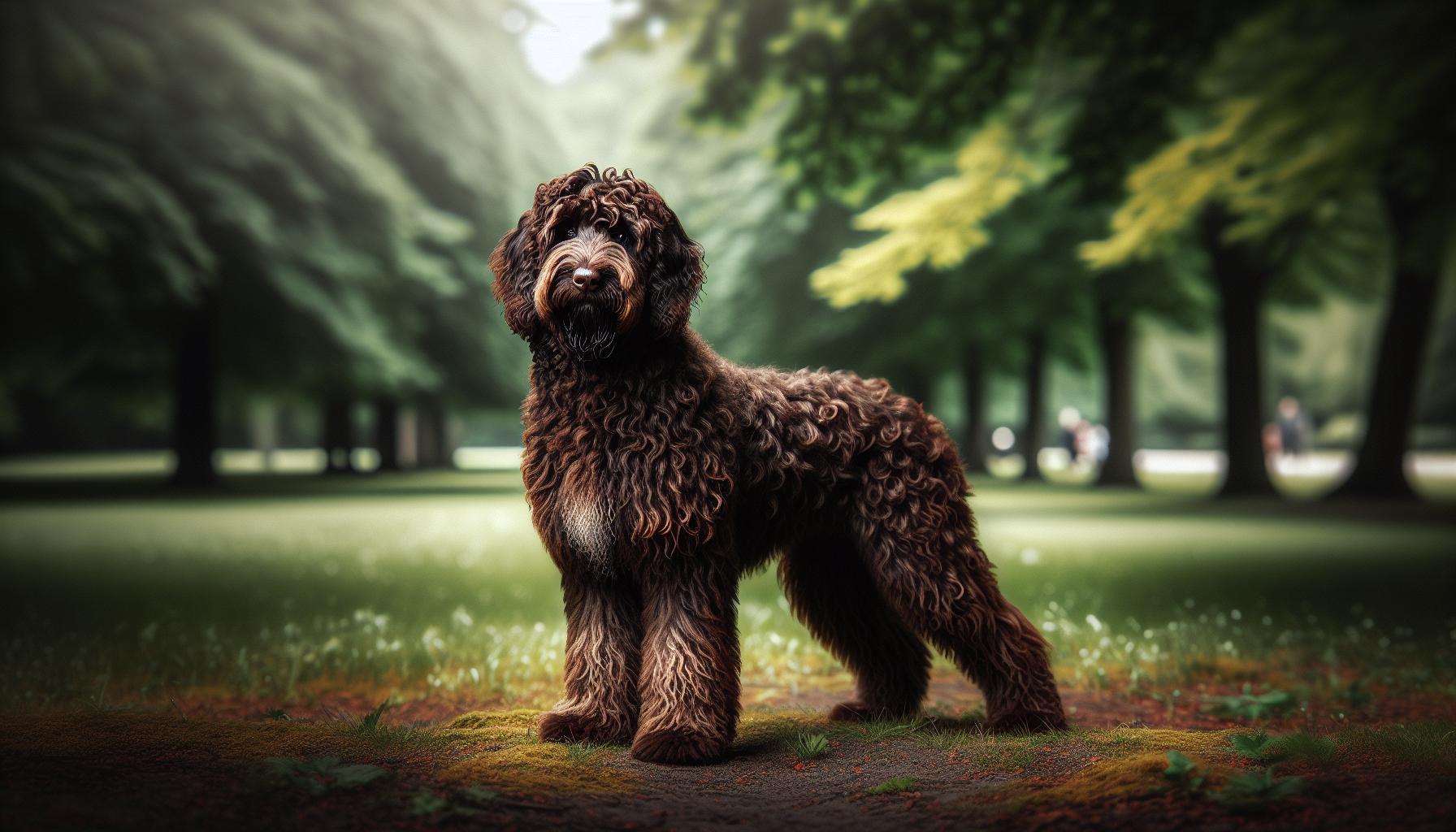
The Barbet is classified under the Sporting Group by the American Kennel Club (AKC), a category that includes dogs primarily bred for hunting and retrieving game. This classification reflects the Barbet’s history as a versatile hunting dog, skilled in water retrieval and fowl hunting. Known for its joyful demeanor and strong swimming abilities, the Barbet embodies the traits of a well-rounded sporting companion, making it a favorite among outdoor enthusiasts and families alike.
As a member of the Sporting Group, Barbets are characterized by their lively nature and love for activity, requiring both mental and physical stimulation. This group generally comprises breeds that are friendly, sociable, and eager to please, aligning perfectly with the Barbet’s temperament. Owners can expect to engage in various activities, from fetch games to swimming sessions, that cater to their Barbet’s enthusiastic spirit.
Training Implications
Being part of the Sporting Group also underscores the importance of early training and socialization for Barbets. They thrive in environments where they can learn and adapt, benefiting from consistent, positive reinforcement techniques. Their intelligence and eagerness to work mean they excel in obedience training and dog sports-an avenue that many Barbet owners find fulfilling.
Overall, understanding the Barbet’s AKC classification helps new owners grasp the breed’s needs and potentials, laying the foundation for a rewarding relationship rooted in shared activities and mutual enjoyment. The Barbet not only fits seamlessly within the Sporting Group but also enriches the lives of those who welcome this delightful breed into their homes.
Understanding the Historical Background of the Barbet
The Barbet, a rare and ancient breed, boasts a rich historical tapestry that traces back to France, where it was originally developed as a water dog. This breed’s name is derived from the French word “barbe,” meaning “beard,” which reflects the characteristic facial fur that adorns these dogs. Barbets were predominantly utilized for hunting waterfowl, showcasing their exceptional swimming and retrieval skills. Their ability to thrive in varying environments, from marshes to lakes, made them invaluable companions to hunters. Over centuries, the Barbet established itself not only as a skilled hunter but also as a faithful family pet, thanks to its friendly and sociable nature.
Barbets were seen as versatile dogs, often engaging in various hunting tasks, making them integral to many hunting expeditions. Their combination of strength and agility in water retrieval further elevated their status among hunting breeds. However, as times changed and hunting practices evolved, the popularity of the Barbet waned, leading to a decline in their numbers. Health-conscious, responsible breeders and dog enthusiasts have worked diligently to revive interest in this unique breed, aiming to preserve their heritage while also showcasing their qualities as affectionate family companions.
Understanding this historical backdrop illuminates why the Barbet is classified within the AKC Sporting Group. It embodies traits typical of breeds in this category, including high energy, sociability, and intelligence, all of which align with its historical role as a hunting partner. This shared history serves as a reminder for prospective owners that embracing the Barbet comes with an obligation to provide plenty of physical activity and mental stimulation-hallmarks of this charming and spirited breed.
Characteristics That Define the Barbet Breed
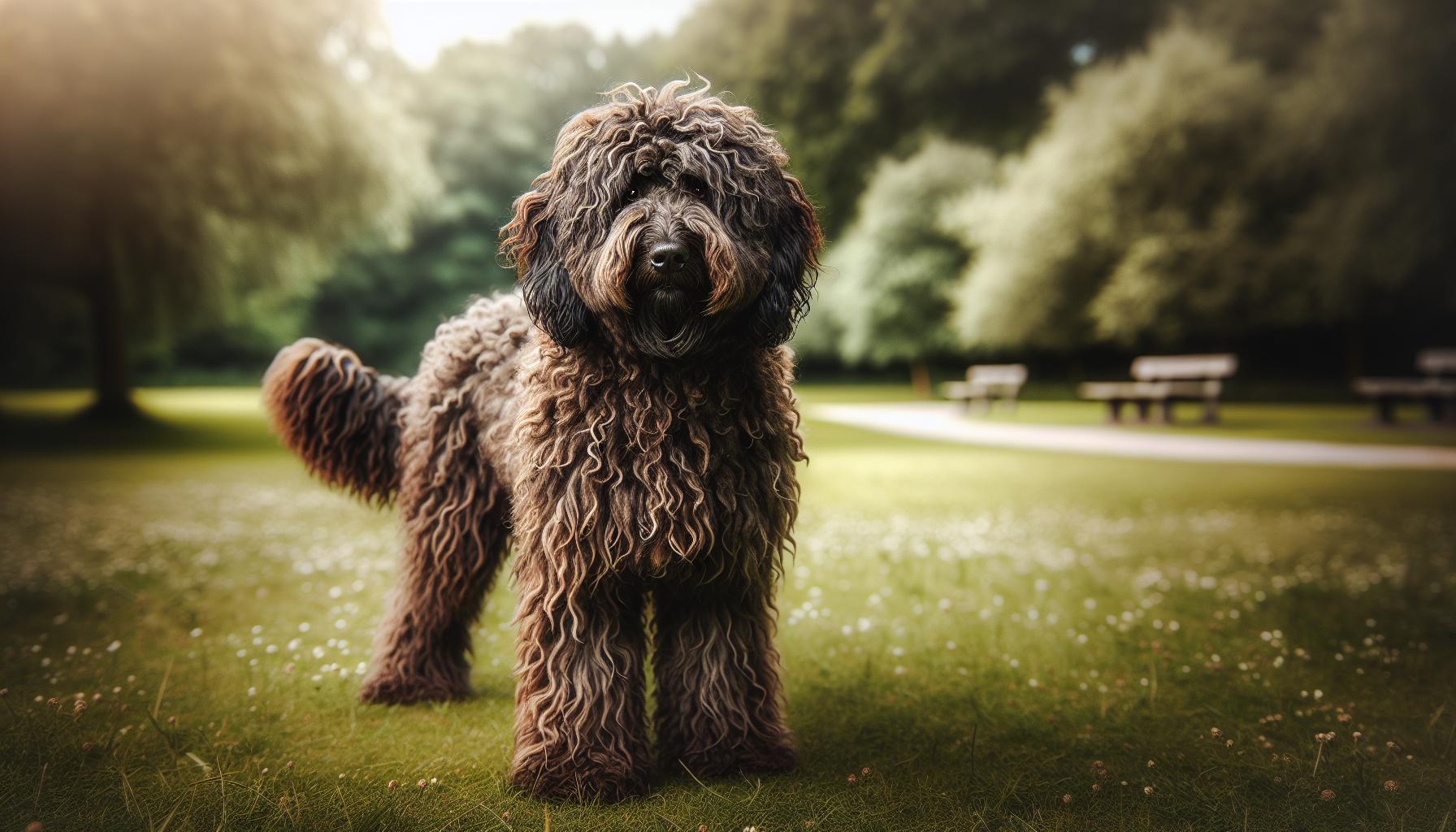
The Barbet is not just a pretty face with a notable beard; it’s a breed defined by its remarkable attributes and versatility. A medium-sized dog, the Barbet is distinguished by its dense, curly coat, which not only contributes to its appealing appearance but also serves a practical purpose, providing protection against water and cold. This breed’s strong, athletic build complements its impressive swimming abilities, making it an exceptional water retriever.
When it comes to temperament, Barbets are known for their friendly and sociable nature. They exhibit a balanced disposition, being both playful and calm, which makes them well-suited for family life. Their intelligence is another defining characteristic; Barbets are eager to please and quick learners, thriving in environments where they can engage in various activities, especially those involving water. This makes training both a rewarding and enjoyable experience for handlers, whether they’re seasoned trainers or first-time dog owners.
In terms of grooming, the Barbet’s curly coat requires regular maintenance to prevent matting and tangling. This beautiful coat, often seen in colors such as black, brown, or gray, showcases the breed’s uniqueness and charm. Owners should plan for consistent grooming sessions along with occasional baths to keep their fluffy companions looking their best.
For prospective owners considering the Barbet, it’s essential to acknowledge that this breed thrives on companionship and activity. Socialization is key, and early exposure to various environments, people, and other animals can help foster a well-rounded personality. Regular physical and mental stimulation through games, training exercises, and outdoor adventures are crucial to keeping a Barbet happy and healthy. In essence, owning a Barbet is an enriching experience that comes with responsibilities, from caring for their grooming needs to providing ample exercise and companionship.
Comparison of the Barbet with Other AKC Groups

The Barbet is a truly unique breed, often celebrated for its incredible versatility and spirit, but how does this remarkable dog measure up against other classifications in the American Kennel Club (AKC)? The Barbet belongs to the Sporting Group, a classification that comprises breeds traditionally used for hunting and retrieving. This classification highlights the breed’s historical role as a water dog, skilled in retrieving game from both land and water, making it a natural fit alongside other water-loving breeds like the Labrador Retriever and the Flat-Coated Retriever.
### Similarities and Differences with Other Sporting Breeds
When comparing the Barbet to other breeds in the Sporting Group, several attributes stand out:
- Temperament: Like many sporting breeds, Barbets are sociable, friendly, and eager to please. This calm disposition makes them excellent companions for families and active individuals alike, which resonates with the personalities of breeds like the Golden Retriever and Cocker Spaniel.
- Physical Characteristics: While many sporting dogs have a sleek, athletic build, the Barbet’s distinctive curly coat adds a layer of appeal and practical insulation for wet conditions. This sets them apart from others like the Vizsla or the Weimaraner, which have short, smooth coats.
- Energy Levels: All breeds in the Sporting Group tend to have high energy levels, and the Barbet is no exception. However, its love for water activities may be more pronounced than in some of its counterparts, offering a unique channel for its energy.
- Trainability: Known for their intelligence and eagerness to learn, Barbets are often easier to train than some other sporting breeds, making them a great option for first-time dog owners.
### Care and Lifestyle Considerations
It’s worth noting that despite sharing a group classification, the care requirements for Barbets can differ significantly from those of other breeds. For instance, their curly coat necessitates regular grooming to prevent matting, which may not be as crucial for breeds like the English Setter that have straight fur. Nonetheless, all sporting breeds, including the Barbet, require regular exercise, socialization, and mental stimulation to thrive.
Understanding these differences can help potential owners decide whether a Barbet-or another sporting breed-is the right fit for their lifestyle. A well-rounded approach to care and training that acknowledges the Barbet’s unique characteristics ensures that they develop into happy, healthy companions.
In summary, while the Barbet shares many traits with its AKC sporting group peers, its distinctive characteristics, playful nature, and unique grooming needs set it apart. Enthusiastic prospective owners should weigh these factors carefully to ensure they provide the best environment for their furry friend. By doing so, they will cultivate a rewarding relationship with a breed as charming and dynamic as the Barbet.
Behavior and Temperament of the Barbet
The Barbet, a breed rich in history and personality, is renowned for its friendly and adaptive nature. This medium-sized dog, often characterized by its curly, water-resistant coat, showcases a temperament that is as appealing as its unique physical traits. Barbets thrive on social interaction and are known for being affectionate and loyal companions, making them a perfect fit for families and active individuals alike. They are typically very sociable, enjoying the company of both humans and other animals, which can help them to adjust smoothly to new environments or changes in routine.
Like many breeds in the Sporting Group, Barbets are energetic and playful, often displaying an exuberant love for water and outdoor activities. They tend to be eager to engage in exercises such as swimming, fetching, and participating in canine sports. This natural affinity for water stems from their historical role as retrieving dogs, where they worked extensively in aquatic environments. Engaging a Barbet’s high energy levels through regular exercise and mental stimulation is essential; activities that challenge their mind, like agility training or puzzle toys, can keep them happy and well-behaved.
It’s also important to recognize their intelligence; Barbets are incredibly trainable and eager to please. This combination makes them an excellent choice for first-time dog owners. Utilizing positive reinforcement methods, such as treats and praise, can significantly enhance their training experience. They respond well to commands and are quick learners, often picking up new skills and tricks with enthusiasm. Their intelligence also means that they can become bored if not sufficiently challenged, which can lead to undesirable behaviors. Therefore, establishing a consistent training routine and socialization from an early age is crucial.
In summary, the Barbet’s charming personality, high energy, and intelligence make them a delightful addition to any home. Their adaptability and eagerness to engage with their families ensure they can fit into a variety of lifestyles, whether as a playful companion for children or a steady partner for outdoor adventures. With proper training, socialization, and care, a Barbet can flourish into a wonderful pet that brings joy and companionship to its owners.
Training Tips for Barbet: Best Practices
The Barbet’s intelligence and eagerness to please make training an engaging and rewarding experience. They thrive when given structure and consistency, which helps them channel their high energy into positive behaviors and skills. Therefore, establishing a comprehensive training routine that combines obedience with fun activities is vital for keeping your Barbet happy and well-behaved.
One effective approach is to utilize positive reinforcement techniques, which may involve using treats, praise, or play as rewards for good behavior. This not only reinforces desired actions but also builds a strong bond between you and your dog. Regular training sessions should be kept short, ideally around 5 to 10 minutes, especially when starting, to hold their attention. As they master basic commands like “sit,” “stay,” and “come,” gradually introduce more complex tasks such as fetch or agility exercises that can tap into their natural retrieving instincts.
To ensure successful training, consider the following tips:
- Socialization is Key: Early exposure to various environments, people, and other animals is crucial. This helps Barbets grow into well-adjusted adult dogs that are comfortable in different situations.
- Routine Commands: Teaching consistent commands like “leave it” or “drop it” can prevent unwanted behaviors, especially given their curious nature.
- Engage Their Mind: Incorporate puzzle toys or scent games into playtime to challenge their intelligence and reduce boredom, which can lead to destructive behaviors.
- Patience is Vital: Every dog learns at their own pace. Remain calm and patient during the training process, celebrating small victories along the way.
Incorporating regular training into your Barbets’ lifestyle is not just about obedience; it enhances their overall well-being. Given their background as retrieving dogs and their love for water, consider activities that leverage their enthusiasm. Swimming sessions or interactive fetch games can serve as excellent outlets for their energy while reinforcing their training in a fun and exciting manner. By creating a balanced training approach that includes obedience, socialization, and fun activities, you’ll have a bright and responsive companion that embodies the spirited essence of the Barbet breed.
Grooming and Care Requirements for Barbets
Caring for a Barbet goes beyond merely providing food and shelter; it’s an engaging experience that fosters a deep bond between you and your dog. Known for their unique curly coats, Barbets require specific grooming practices to keep them healthy and comfortable. Their water-repellent fur not only protects them in wet conditions but also requires regular maintenance to prevent matting and ensure a vibrant appearance.
To start with grooming, you should establish a regular brushing routine. Ideally, brush your Barbet’s coat at least two to three times a week using a slicker brush and a wide-toothed comb. This helps remove loose hair and prevents tangles, which can turn into painful mats if left unattended. A thorough grooming session can also be a wonderful opportunity for bonding. During grooming, check for any skin irritations, parasites, or lumps, which are easier to spot when you regularly handle your dog’s coat.
Bathing is another crucial element of care, but it should be approached carefully. Barbets should generally be bathed every four to six weeks or as needed, especially if they spend a lot of time outdoors. Use a gentle, dog-specific shampoo that will clean their coat without stripping away its natural oils. After bathing, be sure to dry them thoroughly to prevent any skin infections that can arise from moisture trapped in their fur.
Regular ear cleaning is also important, particularly because Barbets have floppy ears that can trap moisture. Inspect their ears weekly and clean them gently with a cotton ball dampened with a vet-recommended ear cleaner. This helps to prevent infections and ensures they remain comfortable.
Lastly, don’t forget dental hygiene! Regular tooth brushing should be part of your Barbet’s grooming schedule to prevent periodontal disease. Incorporate dog-friendly dental chews into their routine for extra support in maintaining oral health.
With a bit of commitment and care, you’ll find that grooming your Barbet isn’t just about maintaining their appearance; it’s an enriching shared experience that nurtures your relationship while keeping your furry friend happy and healthy.
Exploring Health Considerations for the Barbet
The Barbet, known for its charming personality and distinctive curly coat, is not only a delightful companion but also a breed that requires specific health considerations to ensure a long and happy life. This breed, classified under the Sporting Group by the AKC, has its unique set of health traits and vulnerabilities that owners should be aware of.
One of the prominent health risks associated with the Barbet is hip dysplasia, a genetic condition that affects the hip joints and can lead to arthritis. Regular veterinary check-ups, weight management, and low-impact exercise can help mitigate this risk. Monitoring their activity level and ensuring they have suitable surfaces to walk on can also contribute to joint health. Another concern for Barbets is ear infections, primarily due to their floppy ears that can retain moisture. Weekly ear inspections and routine cleaning with vet-recommended solutions are essential to prevent infections.
Apart from these, like many breeds, Barbets can be prone to various skin issues, including allergies and dermatitis, especially given their dense coats. It’s vital to keep their skin healthy by maintaining a consistent grooming regimen and using hypoallergenic products when bathing them. A balanced diet rich in omega fatty acids can also promote skin health and reduce the likelihood of these issues arising.
Finally, it’s essential to groom your Barbet regularly-not just for aesthetic reasons but to monitor for any potential health issues hidden beneath their luscious coat. This includes checking for lumps, bumps, or skin irritations that may require veterinary attention. Establishing a solid healthcare and grooming routine can make all the difference in keeping your Barbet healthy, happy, and full of energy for many years to come.
Barbet in Competitive Dog Shows: What to Know
Participating in competitive dog shows can be a thrilling experience for both Barbets and their owners. These unique dogs, classified under the AKC Sporting Group, are not just skilled water retrievers but also make impressive show dogs thanks to their distinctive curly coats and engaging personalities. Owners looking to enter their Barbets in competitions should familiarize themselves with the standards set forth by the American Kennel Club (AKC) to ensure their dogs meet all necessary criteria for conformation and performance events.
The essential traits judges look for in a Barbet include their athletic build, well-defined head, and, of course, that iconic coat. This breed sports a dense, curly fur that not only lends itself to an appealing appearance but also performs well in the water, showcasing the breed’s history as a water dog. Regular grooming is crucial, as maintaining the coat in show condition requires consistent care to prevent matting and ensure it looks its best. Here are some tips to prepare your Barbet for show day:
- Grooming Routine: Establish a regular grooming schedule that includes brushing several times a week to prevent tangles and mats. Bathing your Barbet with a quality dog shampoo will help keep their coat clean and vibrant.
- Training for the Ring: Socializing your Barbet from a young age will help them become accustomed to the show environment. Train your dog to walk gracefully on the lead, stand for examination, and respond positively to both you and the judge.
- Health Check: Always have your dog properly vetted before the show to address any health issues that could affect performance. A clean bill of health will not only help your dog show their best but also ensure they are receiving the care they need.
In the competitive dog show environment, it’s beneficial to connect with other Barbet owners and enthusiasts. Joining breed clubs can provide valuable resources, including training workshops and grooming tips. Additionally, attending local dog shows can help you and your Barbet gain experience and confidence in a less competitive environment. Remember, while winning ribbons can be exciting, the bonding time spent with your dog in preparation and practice is what truly enriches the competitive experience. With dedication and love for the breed, your Barbet can shine both in and out of the show ring!
Barbet Ownership: Lifestyle and Commitment
Owning a Barbet is like inviting a playful bundle of joy into your home. Known for their friendly disposition and intelligence, these dogs thrive in environments where they receive plenty of love, attention, and activity. As part of the AKC Sporting Group, Barbets are not just companions; they are energetic, engaging, and affectionate animals that need a lifestyle that matches their enthusiastic nature.
These water-loving dogs were originally bred for hunting and retrieving, meaning they require regular exercise to keep their bodies and minds healthy. Owners should commit to daily walks, playtime in the yard, and opportunities for swimming or fetching. It’s a good idea to establish a routine that includes varied activities to prevent boredom. Incorporating training sessions can provide both physical and mental stimulation, which is especially beneficial for a breed that thrives on interaction.
Moreover, grooming is an essential aspect of Barbet ownership due to their dense, curly coat, which tends to mat easily. Regular brushing-at least a few times a week-and occasional professional grooming will help keep their fur in optimal condition and enable them to be comfortable and happy. Establishing a grooming routine can be a wonderful bonding time and is a chance to check for any skin issues or parasites.
Finally, consider your commitment to companionship. Barbets are social dogs that thrive on human interaction and can suffer from separation anxiety if left alone for long periods. If you have a busy lifestyle, consider how you can fulfill their social needs-whether that’s hiring a dog walker, participating in doggy daycare, or involving them in family activities. When introducing a Barbet into your home, be prepared for a loving and lively dog that will undoubtedly enhance your family life with joy and energy.
Frequently Asked Questions About the Barbet
Curious about the Barbet? You’re not alone! As this charming breed gains popularity, owners and potential adopters often have a flurry of questions. From their unique traits to their place in the sporting world, learning about the Barbet can be both exciting and informative. Here are some commonly asked questions that can help you understand this delightful breed better.
One frequently asked question is whether Barbets are suitable for families. The answer is a resounding yes! Their friendly and affectionate nature allows them to bond well with children and adults alike. Additionally, their playful personality means they enjoy being involved in family activities, making them perfect companions for active households. Just remember, like all dogs, they need proper socialization and training to ensure they grow into well-adjusted family members.
Another common inquiry revolves around the Barbet’s exercise needs. Given their background as water retrievers, Barbets are energetic and require regular physical activity. Daily walks, playtime, and swimming are ideal to help keep them happy and healthy. A structured routine not only aids in preventing boredom but also fulfills their need for mental and physical stimulation.
Additionally, potential owners often wonder about grooming. With their dense, curly coats, Barbets need regular grooming to prevent matting. Brushing a few times a week, along with occasional professional grooming, is recommended. This not only keeps their coat looking its best but also serves as a wonderful bonding opportunity between you and your furry friend.
In terms of health, prospective owners should be aware that, like all breeds, Barbets can be prone to certain issues. Regular veterinary check-ups and a healthy diet can go a long way in ensuring a long, vibrant life. With the right care, a Barbet can be a joyful addition to your home, bringing vibrancy and love into your daily life.
For anyone considering welcoming a Barbet into their home, understanding their needs and traits is essential for a happy partnership. With a bit of dedication and the right environment, you’ll find that this breed is not only loving but also an astute and loyal companion.
Frequently Asked Questions
Q: What is the official AKC group classification for the Barbet?
A: The Barbet is officially classified under the Sporting Group by the American Kennel Club (AKC). This classification highlights the breed’s original purpose as a waterfowl hunting dog, showcasing its agility, friendliness, and intelligence, which are key traits of sporting dogs.
Q: Why is the Barbet classified in the Sporting Group?
A: The Barbet is classified in the Sporting Group due to its history as a water retriever and hunting companion. Sporting dogs are known for their ability to assist hunters in tracking and retrieving game. The Barbet’s strong swimming ability and friendly demeanor align with the characteristics of this group.
Q: How does the Barbet compare to other breeds in the Sporting Group?
A: While the Barbet shares the Sporting Group classification with breeds like the Labrador Retriever and the Golden Retriever, it stands out due to its unique curly coat and rare breed status. Unlike some more common breeds, the Barbet is known for being both a versatile worker and a loving family pet.
Q: What traits make the Barbet suitable for its classification?
A: The Barbet possesses traits such as intelligence, energy, and a friendly nature, making it well-suited for the Sporting Group. These characteristics allow the Barbet to excel in activities like water retrieval, obedience, and agility, showcasing its versatility as a working and companion dog.
Q: What activities do Barbet dogs excel in as sporting dogs?
A: Barbets excel in various activities, including hunting, swimming, and participating in obedience trials. Their intelligent and trainable nature allows them to perform well in dog sports and competitions, making them great partners for active families and individuals.
Q: Are Barbets good family dogs despite their sporting background?
A: Yes, Barbets are excellent family dogs due to their friendly disposition and loyalty. While they retain their sporting instincts, they are gentle with children and enjoy being part of family activities, making them a great fit for households looking for an active companion.
Q: What grooming requirements does the Barbet have as part of the Sporting Group?
A: The Barbet requires regular grooming to maintain its curly coat and prevent matting. This includes brushing several times a week and periodic professional grooming. Proper grooming helps keep their coat healthy and showcases their unique appearance as sporting dogs.
Q: How can I find Barbet breed clubs or associations related to the Sporting Group?
A: To find breed clubs or associations for the Barbet, visit websites like the American Kennel Club (AKC) or the Barbet Club of America. These organizations can provide resources, events, and training opportunities specifically for Barbet owners and enthusiasts.
In Summary
Now that you understand the Barbet’s official classification in the AKC, it’s time to dive deeper into this fascinating breed! Barbets are known for their friendly demeanor and adaptability, making them wonderful companions. If you’re considering bringing a Barbet into your home, check out our comprehensive care guides or learn about their grooming needs in our article on “Caring for Your Barbet’s Coat.” Don’t miss out on tips from experienced breeders and veterinarians who share their insights on Barbet training and nutrition!
We invite you to explore our related content to enhance your knowledge further. Whether you’re a first-time dog owner or a seasoned handler, understanding the Barbet’s unique traits and requirements will empower you to provide the best care possible. If you have questions or want to share your Barbet stories, drop us a comment or connect with us on social media. Your journey with this wonderful breed starts here-let’s make it extraordinary together!