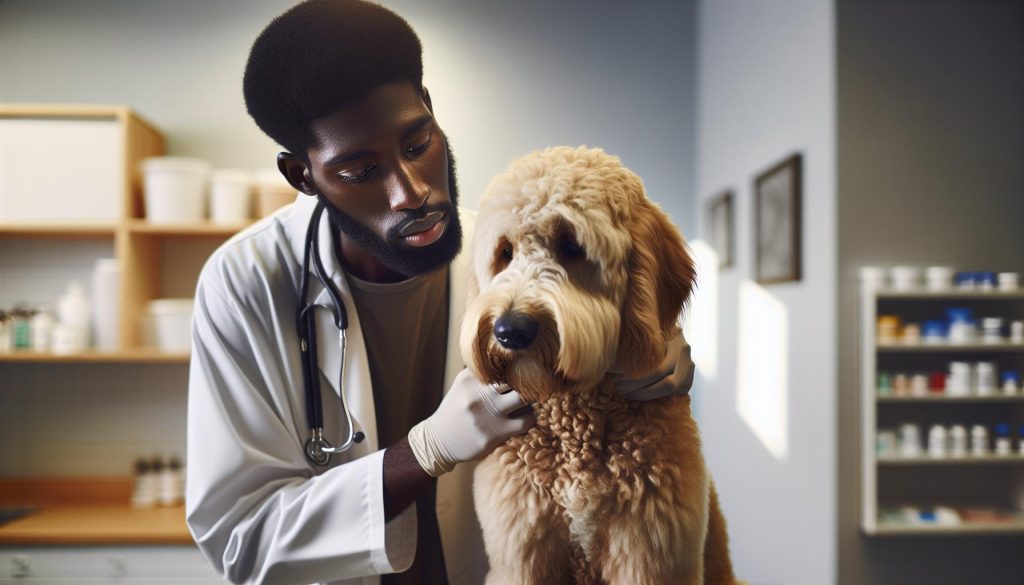
When considering a Labradoodle, many are drawn to their friendly demeanor and hypoallergenic coat. However, potential owners must also navigate the complexities of breed-specific health concerns. Labradoodles, being a mix of Labrador Retriever and Poodle, can inherit a range of health issues from either parent, including hip dysplasia, progressive retinal atrophy, and allergies. As a responsible pet owner, understanding these vulnerabilities is vital for ensuring your furry friend enjoys a long, healthy life. This guide will delve into the common medical challenges Labradoodles may face, helping you anticipate and manage their health needs effectively. By being informed, you can make empowered decisions that prioritize your pet’s well-being and enhance your shared journey together. Let’s explore the essential health information every Labradoodle owner should know!
Health Issues Commonly Found in Labradoodles
Labradoodles are beloved for their friendly nature and intelligence, but like any breed, they can be susceptible to certain health issues. Understanding these common health problems is crucial for ensuring your furry friend thrives. Since Labradoodles are a mix of Poodles and Labradors, they can inherit health challenges from either side. Some prevalent conditions include allergies, hip dysplasia, and obesity, alongside other concerns that might arise throughout their lives.
Common Health Problems
One notable issue in Labradoodles is allergies, which can manifest as skin irritations or digestive issues. Regular grooming and attention to their diet can help mitigate these problems. Another significant concern is hip dysplasia, a hereditary condition where the hip joint doesn’t fit snugly into the hip socket, potentially leading to arthritis. To detect this early, routine vet visits and maintaining a healthy weight are essential. Labradoodles may also experience elbow dysplasia, a similar condition affecting their front legs, and patellar luxation, where the kneecap dislocates, leading to lameness.
Beyond these, ear infections are common due to their floppy ears, which can trap moisture and debris. Regular ear cleaning and keeping their ears dry are critical steps to prevent infections. Lastly, obesity is a significant worry for Labradoodles, as their love of food and less activity than required can lead to weight gain, exacerbating other health issues like joint problems. A balanced diet and regular exercise are indispensable for managing their weight effectively.
Taking a proactive approach to your Labradoodle’s health, through regular checkups and a keen eye for signs of discomfort, can vastly improve their quality of life. Embracing a preventive mindset will not only keep your dog healthy but also ensure that they remain your loving companion for years to come.
Understanding Labradoodle Genetics and Health

Understanding the genetics of Labradoodles is essential for any potential owner, as this mixed breed inherits characteristics from both Poodles and Labradors. Both parent breeds are celebrated for their friendly dispositions and intelligence, which is why Labradoodles are often described as spunky, affectionate, and eager to please. However, just like any hybrid, they can carry genetic traits that may predispose them to certain health issues.
Since Labradoodles are a crossbreed, they can be prone to health concerns common to both Poodles and Labradors. Among the inherited issues, hip dysplasia is particularly noteworthy. This condition occurs when the hip joint does not fit into the hip socket properly, which can lead to pain and arthritis over time. Regular veterinary checkups, a balanced diet, and proper exercise can help maintain healthy hips. Weight management is also crucial, as excess weight can exacerbate joint issues and lead to further health complications.
Another area of concern is allergies, which can manifest in various ways, including skin irritations, digestive upset, or respiratory issues. Given their Poodle lineage, Labradoodles may be more susceptible to certain allergens. Keeping their environment clean and being mindful of their diet can often help alleviate allergy symptoms. Additionally, Labradoodles can experience ear infections due to their floppy ears, which can trap moisture. Regular ear cleaning is essential to prevent infections and maintain overall ear health.
Understanding these genetic tendencies empowers owners to take proactive steps in their Labradoodle’s care. By familiarizing oneself with both potential health issues and preventive measures, you can help ensure a long, happy, and healthy life for your furry companion.
Preventive Care for a Healthy Labradoodle
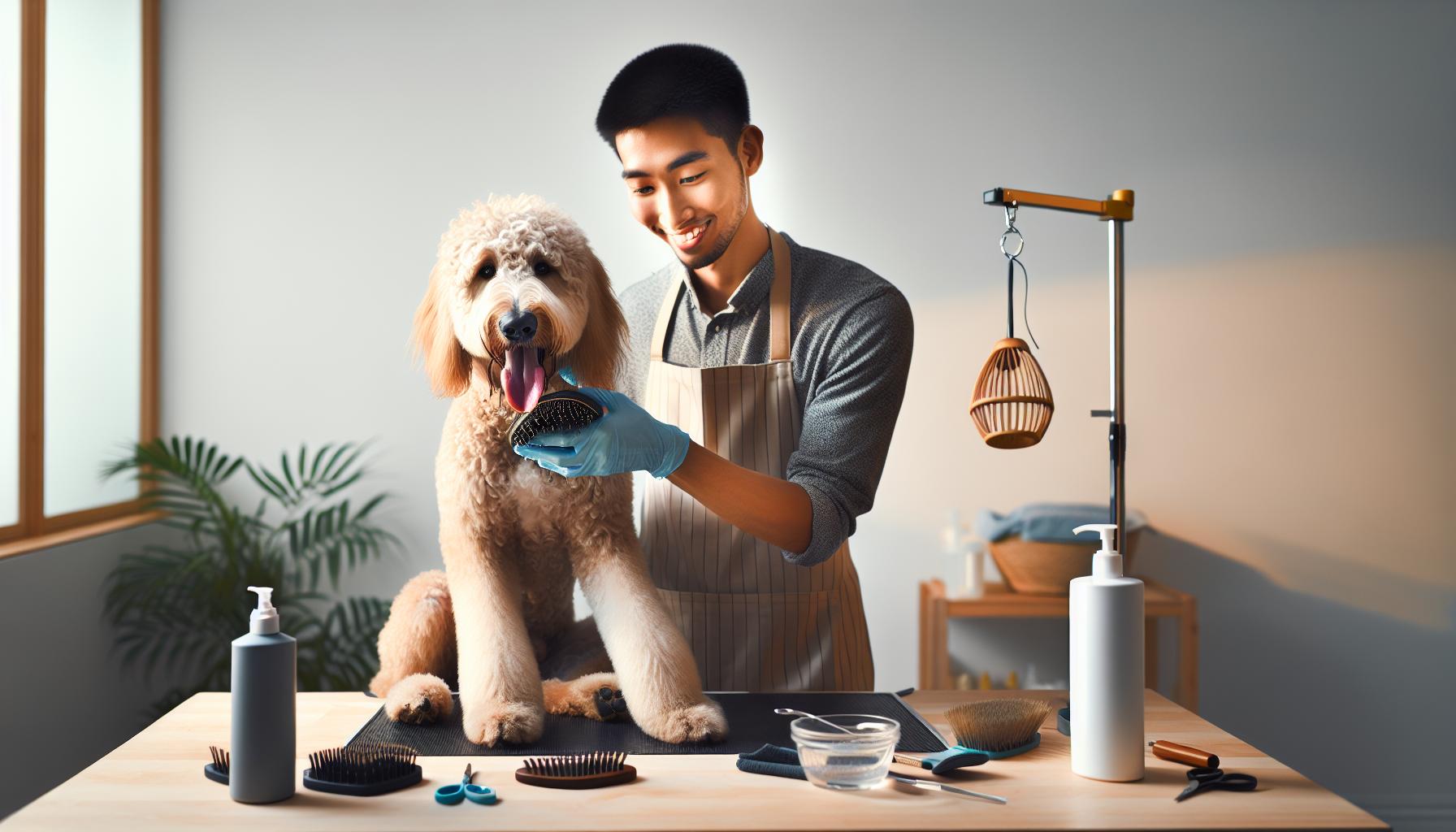
Ensuring your Labradoodle remains healthy and vibrant throughout their life is a rewarding journey, full of love and companionship. Preventive care plays a critical role in this mission, requiring commitment and knowledge. From regular veterinary visits to preventative medication and appropriate diet, taking proactive steps helps avert many common health problems, allowing your furry friend to thrive.
One of the foundational elements of preventive care is establishing a routine visit schedule with your veterinarian. Regular check-ups allow for early detection of potential health issues, such as hip dysplasia or allergies, which are known to affect Labradoodles. During these visits, your vet can perform essential screenings, provide vaccinations, and discuss any changes in your dog’s behavior or health that might need addressing. Aim for bi-annual check-ups for adult Labradoodles and more frequent visits for puppies or senior dogs.
Another essential aspect is nutrition. Labradoodles can vary in size and weight, making it crucial to provide a balanced diet tailored to their specific needs. High-quality dog food that considers their age, weight, and activity level can help prevent obesity and promote overall health. Regular monitoring of their weight and adjusting their diet accordingly will ensure they maintain an ideal body condition, which is vital for minimizing stress on joints and mitigating the risk of obesity-related diseases.
Exercise and Mental Stimulation
Exercise is vital not only for physical health but also for mental well-being. Labradoodles are energetic and intelligent dogs that thrive with proper exercise and engagement. Aim for at least 30-60 minutes of activity each day, combining walks, playtime, and training sessions. This not only keeps them fit but also satisfies their natural curiosity and need for stimulation, preventing behavioral issues that may arise from boredom.
Additionally, grooming plays an important role in preventive care. Regular brushing helps reduce the risk of matting in their coat, which can lead to skin irritations. It also provides an opportunity to check for any signs of allergies or infections, particularly in the ears. Incorporating an ear-cleaning routine can prevent ear infections, a common issue for Labradoodles due to their floppy ears.
By committing to these preventive measures, you can significantly enhance your Labradoodle’s life quality, enabling them to remain healthy and active companions for years to come. The time and effort invested in preventive care today will yield countless joyful moments and a deeply rewarding bond with your beloved pet.
Common Behavioral Concerns and Their Impact
Labradoodles are not just a delightful blend of two beloved breeds; they come with their own unique set of behavioral traits that can greatly impact their health and well-being. Understanding these common behavioral concerns is essential for creating a harmonious environment for your furry companion. One of the most significant behavioral issues Labradoodles may face is separation anxiety. Their strong desire for companionship means they can struggle when left alone for extended periods. This can lead to destructive behaviors, excessive barking, or even house training setbacks. To mitigate this, consider gradually increasing the time they spend alone, providing engaging toys, or even enrolling them in doggy daycare to help develop their independence.
Another behavioral concern often seen in Labradoodles is their exuberant energy and playful nature, which can manifest as hyperactivity if not appropriately channeled. Without sufficient mental and physical exercise, they may resort to unwanted behaviors such as jumping, barking, or chewing. To combat this, it’s vital to incorporate structured playtime into their daily routine, ensuring they receive at least 30-60 minutes of exercise. Activities like puzzle toys, agility training, or even basic obedience classes can keep their minds sharp and their bodies fit, while also building a stronger human-dog bond.
Socialization is also a critical aspect for Labradoodles. Their friendly disposition can sometimes mean they lack caution with unfamiliar dogs or situations, potentially leading to overstimulation or fearful behavior. Early and ongoing socialization with various environments, people, and pets can help them grow into confident and well-adjusted adults. Exposing them to different situations while they are still puppies can enhance their adaptability and reduce the likelihood of anxiety-based behaviors later on.
Ultimately, vigilance in observing your Labradoodle’s behavior can lead to earlier interventions when issues arise, paving the way for better long-term health and happiness. Embracing their quirks and providing structured guidance can turn potential behavioral concerns into strengths, allowing your Labradoodle to thrive as a joyful member of your family.
Signs of Illness: When to See a Vet
Knowing the signs of illness in your Labradoodle can be a game changer in ensuring their health and happiness. Like any dog, Labradoodles can be masters at hiding discomfort, and recognizing early warning signals can help prevent minor issues from becoming serious health threats. A few noticeable behavioral or physical changes can indicate that a trip to the veterinarian is in order.
Pay close attention to any sudden changes in appetite or drinking habits. If your Labradoodle is refusing food or water, it could suggest dental issues, gastrointestinal problems, or other health concerns. Additionally, monitor their energy levels; lethargy can signify anything from a simple cold to more severe conditions requiring immediate attention.
Another key sign to look out for is changes in bathroom habits. Whether it means an increase in urination, unusual solid waste, or any signs of straining, these are often red flags that shouldn’t be ignored. Changes in behavior such as excessive barking, hiding, or showing signs of discomfort when touched also warrant a visit to the vet.
Don’t forget common physical symptoms either. Keep an eye out for any lumps or bumps, changes in their coat condition, or signs of excessive itching, which could indicate allergies or skin infections. Should you observe persistent vomiting, diarrhea, or coughing, it’s best not to wait and see if these symptoms resolve on their own.
When in doubt, always err on the side of caution. A brief consultation with your veterinarian can provide peace of mind and ensure your Labradoodle remains the vibrant, playful companion you cherish. Regular vet check-ups are essential in keeping your furry friend healthy, allowing for early detection of potential issues before they escalate. Your vigilance and proactive care are vital for your Labradoodle’s longevity and quality of life.
Nutrition and Its Role in Labradoodle Health
The right nutrition is crucial for your Labradoodle’s overall health, acting as the backbone of their well-being and helping to prevent common health issues associated with the breed. Labradoodles, with their mixed heritage from Labradors and Poodles, have unique dietary needs that can influence their growth, energy levels, and susceptibility to genetic conditions like hip dysplasia and heart disease. Feeding them a balanced diet that includes high-quality proteins, healthy fats, and essential vitamins and minerals can make a significant difference in their longevity and quality of life.
To ensure your Labradoodle thrives, consider the following key points about their nutritional needs:
- Balanced Diet: A diet rich in proteins such as chicken, beef, or fish should form the foundation of their meals. These proteins support muscle development and energy, critical for their active nature.
- Healthy Fats: Incorporating healthy fats from sources like fish oil or flaxseed can improve coat quality and reduce inflammation, supporting joint health and overall well-being.
- Micronutrients Matter: Essential vitamins and minerals, particularly those supporting bone and joint health (like calcium and phosphorus), are vital. Regularly consult with your veterinarian to tailor dietary choices to your Labradoodle’s specific health needs.
As Labradoodles can be prone to obesity, portion control is another essential component of their diet. Monitor their food intake and adjust portions accordingly based on their age, weight, and activity level. Regular feeding schedules can help maintain their energy balance and prevent unwanted weight gain, which is critical as excess weight can exacerbate health problems.
It’s also worth noting that Labradoodles may experience food intolerances or allergies, leading to skin issues or gastrointestinal problems. Observing any negative reactions to certain foods can guide you in selecting a diet that promotes health and comfort. If you notice signs like itching, digestive upset, or coat problems, it might be time to discuss dietary adjustments with a pet nutritionist or your veterinarian.
By prioritizing a well-rounded and thoughtful approach to their nutrition, you can significantly enhance your Labradoodle’s health and happiness, creating a life full of playful memories and joyous moments together.
Grooming Tips to Prevent Health Problems
Grooming your Labradoodle isn’t just about keeping them looking sharp; it’s a fundamental aspect of their health care. Given their unique coat-which can vary significantly from one dog to another, thanks to their mixed breed lineage-a proper grooming routine can help prevent various health issues. For example, regular grooming can significantly reduce the risk of matting, a condition that can lead to painful skin irritations or infections if left unchecked. Let’s dive into some effective grooming strategies specifically for Labradoodles.
- Regular Brushing: To prevent tangles and mats, aim to brush your Labradoodle’s coat at least two to three times a week. A slicker brush or a comb designed for curly coats works wonders in keeping their fur smooth and manageable. Make it a bonding experience by turning grooming into playtime-many Labradoodles love the attention!
- Bathe Wisely: Bathing frequency should depend on your dog’s activity level and coat type but generally ranges from every 4 to 8 weeks. Use a gentle dog shampoo to avoid disrupting their skin’s natural oils. Overbathing can lead to dryness, so choose your moments wisely.
- Ear Care: Labradoodles are prone to ear infections due to their floppy ears, which can trap moisture. Regularly check and clean their ears with a vet-recommended solution to keep them dry and free from debris. This simple task can save you a lot of trouble down the road.
- Nail Trimming: Keeping nails trimmed is vital for your dog’s mobility and comfort. If you hear their nails clicking on the floor, it’s time for a trim. Invest in a quality pair of dog nail clippers or consider seeking help from a professional groomer if you’re unsure.
- Fur Maintenance: Schedule professional grooming every 6 to 8 weeks, particularly if your Labradoodle has long or curly hair. A professional groomer knows how to handle the breed’s unique coat and can help maintain a healthy length and style.
Above all, stay attuned to changes in your Labradoodle’s coat, skin, or behavior. Their grooming routine should also include regular health checks-look for any unusual lumps, bumps, or skin irritations. This way, you won’t just keep your Labradoodle looking their best; you’ll also be acting as their first line of defense against potential health problems. A consistent grooming routine will ensure a happy, healthy, and stunning companion!
Managing Allergies in Labradoodles
is essential for ensuring their comfort and overall well-being. These clever and affectionate dogs can be prone to various allergies, whether environmental, food-related, or contact-based. Understanding the triggers and symptoms is the first step towards effective management, making it crucial for owners to stay informed and vigilant.
Labradoodles can develop allergies to common environmental allergens like pollen, dust mites, mold, and certain grasses. Symptoms often manifest as itchy skin, chronic ear infections, or gastrointestinal upsets. If you notice your dog scratching excessively, licking their paws, or having recurrent ear infections, it may indicate an allergic reaction. Keeping a close eye on your dog’s behaviors and noting any changes can help pinpoint potential allergens.
When it comes to food allergies, Labradoodles may react adversely to specific proteins or grains, leading to itching or gastrointestinal upset. If you suspect your dog has a food allergy, consult your veterinarian. They may recommend an elimination diet, where you gradually reintroduce different ingredients to identify the culprit. Additionally, maintaining a high-quality diet, free from unnecessary fillers, can often improve your Labradoodle’s skin and coat health, reducing the likelihood of allergic reactions.
To minimize environmental allergy risks, establish a consistent cleaning routine. Regularly vacuum your home and wash your dog’s bedding to limit dust mites and dander. During high pollen seasons, consider keeping your dog indoors as much as possible and wiping down their fur after outdoor adventures. Allergy medications prescribed by your vet can also provide relief, and in more severe cases, allergy testing may help tailor a comprehensive management plan.
Ultimately, is about patience and preparation. Taking proactive steps not only aids in symptom relief but can also enhance your dog’s quality of life, ensuring they remain the happy, playful companions we love.
Exercise Needs: Keeping Your Labradoodle Fit
To keep a Labradoodle healthy and vibrant, regular exercise is essential. This energetic breed, known for its playful nature, thrives on physical activity. In fact, Labradoodles require at least 60 minutes of exercise each day to maintain a healthy weight and avoid the negative health effects commonly associated with obesity, such as diabetes and joint problems. Engaging in regular activity not only promotes physical fitness but also helps alleviate behavioral issues often rooted in boredom or pent-up energy.
Incorporating a mix of activities can be both fun and beneficial. Consider varying their routine with walks, play sessions, and mentally stimulating exercises. Activities might include:
- Daily walks or runs: A brisk 30-minute walk can significantly improve your dog’s cardiovascular health. You can extend this by adding a second round of playtime in a secure area.
- Fetch or Frisbee: These classic games provide great cardiovascular workouts and can help maintain a healthy weight.
- Agility training: Setting up a simple obstacle course in your backyard or joining a local agility club can provide not only physical stimulation but also mental challenges, keeping your Labradoodle engaged.
- Swimming: Many Labradoodles love water. Swimming is an excellent low-impact exercise that is easy on the joints and great for cooling off in warmer weather.
Socialization is also a key component of your Labradoodle’s activity needs. Regular interaction with other dogs helps teach them appropriate dog behavior, reducing the chances of fearfulness or aggressiveness. Consider arranging playdates with well-mannered dogs or visiting dog parks, where they can run freely and socialize with peers.
In essence, making exercise a priority in your Labradoodle’s daily routine allows for not just physical health but also fosters a strong bond between you and your furry friend. By keeping them active and engaged, you’re contributing to a longer, happier life while cultivating that delightful Labradoodle spirit!
Age-Related Health Issues in Labradoodles
As Labradoodles age, they become susceptible to a range of health issues that can impact their quality of life and well-being. This breed, known for its friendly demeanor and playful nature, typically enjoys a lifespan of 12 to 14 years, but various age-related conditions can surface in their golden years. Being proactive and informed can make all the difference in managing these health challenges.
One prevalent concern is joint health, particularly arthritis, which can lead to discomfort and mobility issues. Labradoodles, inheriting traits from their Labrador and Poodle parents, may face joint deterioration as they mature. Signs to watch for include difficulty getting up, limping, or reluctance to engage in previously enjoyed activities. Regular veterinary check-ups, combined with proper weight management and joint supplements, can greatly aid in maintaining their joint health as they age.
Another common issue is dental health. Many dogs, including Labradoodles, are prone to periodontal disease. As they age, regular brushing and dental check-ups become increasingly important. A dog’s dental health can significantly affect their overall health, as bacteria from gum disease can enter the bloodstream and lead to more severe conditions, such as heart disease. Consider providing dental chews and incorporating oral care into their grooming routine to keep their teeth and gums healthy.
Moreover, cognitive dysfunction syndrome (CDS) is a concerning age-related issue that mimics early-onset dementia in humans. Symptoms such as confusion, altered sleeping patterns, and changes in behavior can signal this decline. Engaging your Labradoodle in mental exercises, such as puzzle toys and obedience training, can help keep their mind sharp and potentially slow the progression of cognitive decline.
Overall, staying vigilant and understanding the specific age-related health concerns that may affect Labradoodles empower owners to provide the best care possible. Regular veterinary visits, a wholesome diet tailored for senior dogs, and adequate exercise suited to their aging bodies can help your furry friend age gracefully and happily. Being attentive to their needs as they grow older fosters a strong bond and ensures they have a comfortable, enriched life well into their senior years.
Innovative Treatments for Labradoodle Health Problems
As the world of veterinary medicine advances, new and innovative treatments are emerging to enhance the health and well-being of Labradoodles. With their unique genetic background, Labradoodles can benefit from a variety of tailored therapies that address common health issues such as allergies, joint problems, and cognitive decline. Staying informed about these options not only allows owners to make better health decisions for their furry friends but also provides a gateway to improved quality of life for our beloved companions.
Alternative Therapies
One exciting avenue is the incorporation of alternative therapies alongside traditional veterinary care. Techniques such as acupuncture and chiropractic adjustments can help alleviate pain, particularly in older Labradoodles who may suffer from joint or spinal issues. Acupuncture, for example, has been shown to provide relief from chronic pain and improve mobility, making it a worthwhile consideration for managing arthritis or other musculoskeletal problems.
Regenerative Medicine
Another breakthrough treatment gaining traction is regenerative medicine, which includes methods like stem cell therapy and platelet-rich plasma (PRP) injections. These treatments harness the body’s ability to heal itself and are particularly effective for conditions like hip dysplasia and tendon injuries. Stem cells, harvested from the dog’s own fat tissue, are injected into affected joints, promoting regeneration and reducing inflammation. Labradoodles have responded positively to these treatments, often showing significant improvements in mobility and pain management.
Nutraceuticals and Supplements
In addition to professional treatments, the role of nutraceuticals-beneficial food substances that provide health benefits-should not be overlooked. Supplements such as glucosamine, omega-3 fatty acids, and probiotics can support joint health, skin integrity, and gut function, respectively. Incorporating these supplements into your Labradoodle’s diet can boost their overall health and enhance their resilience against common ailments.
Holistic Nutrition
Lastly, a holistic approach to nutrition plays a significant role in preventive healthcare for Labradoodles. Customizing their diet to include organic ingredients rich in antioxidants can fortify them against diseases and enhance their immune systems. Consult your veterinarian to ensure a balanced diet that caters to your dog’s specific health needs, making adjustments as necessary depending on age or health conditions.
By exploring these innovative treatments, owners can equip themselves with the knowledge to help their Labradoodles thrive. Whether considering alternative therapies, regenerative medicine options, or simply enhancing their nutrition, there’s a wealth of proactive strategies available to support the health of our furry friends. Always consult with your veterinarian before starting any new treatment or supplement to ensure it aligns with your Labradoodle’s specific health requirements.
Choosing the Right Veterinarian for Your Labradoodle
Selecting the right veterinarian is one of the most crucial steps in ensuring the health and happiness of your Labradoodle. Just as every individual dog has unique needs, so too does each veterinarian have specialties and styles that may or may not align with your expectations and your dog’s specific requirements. When dealing with breed-specific issues, such as those commonly found in Labradoodles, having a vet who understands these can make all the difference.
Start by seeking veterinarians who have experience with Labradoodles or similar breeds. Ask other Labradoodle owners for recommendations or search for online reviews focused on veterinarians in your area. Look for signs that a clinic is well-versed in treating conditions such as hip dysplasia, allergies, and autoimmune issues, which are prevalent in this breed. It’s also beneficial to find a veterinarian who is familiar with innovative treatments and preventative measures, such as regular eye exams to check for progressive retinal atrophy (PRA), a condition Labradoodles can inherit from their Poodle lineage.
Further, consider the ethos of the practice. A great veterinarian should promote a partnership in your pet’s healthcare. They should listen attentively to your concerns, provide clear explanations, and respect your decisions about treatment options. To assess this, schedule a preliminary visit where you can ask questions about their approach, the facility’s cleanliness, and the friendliness of the staff. Some important topics to cover during your meeting might include:
- Health History: Discuss your Labradoodle’s breeding line and any known genetic predispositions.
- Preventative Care: Inquire about vaccination schedules, dental care, and parasite prevention.
- Emergency Protocols: Understand how they handle emergencies, including after-hours care options.
- Alternative Treatments: Ask about their openness to integrative approaches, such as acupuncture or nutritional supplementation.
Finally, trust your instincts about how your Labradoodle responds to the veterinarian. Watch for cues indicating comfort or discomfort during visits, as a positive relationship with their vet can significantly alleviate stress for your furry friend during check-ups and treatments. Remember, partnering with an experienced and compassionate veterinarian not only helps manage the common health issues Labradoodles face but also promotes a longer, happier life for your canine companion.
Faq
Q: What are the most common health problems in Labradoodles?
A: Common health problems in Labradoodles include hip dysplasia, cruciate ligament disease, skin allergies, and ear infections. Regular vet checkups and a healthy diet can help manage these conditions and improve their overall well-being.
Q: How can I identify health issues early in my Labradoodle?
A: To identify health issues early, observe your Labradoodle for changes in behavior, diet, and activity level. Routine veterinary checkups, including screenings for genetic diseases, can also aid in early detection and intervention.
Q: What preventive care should I provide for my Labradoodle?
A: Preventive care for Labradoodles includes regular vet visits, vaccinations, dental care, a balanced diet, and proper exercise. Additionally, grooming and ear cleaning help prevent skin conditions and infections.
Q: Are Labradoodles prone to allergies?
A: Yes, Labradoodles can be prone to environmental and food allergies. Symptoms include itching, redness, and ear infections. Consult your vet to determine the best allergy management strategy and potential dietary changes.
Q: What age-related health issues should I expect in Labradoodles?
A: As Labradoodles age, they may develop arthritis, heart disease, and obesity-related issues. Regular vet checkups and tailored exercise programs help manage these age-related health concerns effectively.
Q: How important is diet in managing Labradoodle health?
A: Diet is crucial in managing Labradoodle health. A balanced diet rich in nutrients supports weight management and overall well-being, reducing the risk of obesity-related issues and promoting a healthy coat and skin.
Q: What innovative treatments are available for common Labradoodle health issues?
A: Innovative treatments for Labradoodles include laser therapy for joint pain, allergy immunotherapy, and advanced surgical techniques for hip dysplasia. Consulting with a veterinarian can provide insights into the best treatment options.
Q: When should I see a vet for my Labradoodle’s health concerns?
A: You should see a vet if your Labradoodle shows any signs of distress, including persistent coughing, difficulty walking, drastic weight changes, or unusual behavior. Early consultation ensures timely intervention and better health outcomes.
Closing Remarks
As you consider welcoming a Labradoodle into your home, understanding potential health issues is essential. From managing common conditions like hip dysplasia to ensuring regular vet visits, being proactive will enhance your dog’s quality of life. Don’t wait-get informed today! For more detailed guidance on Labradoodle care, explore our articles on Labradoodle grooming tips and the importance of choosing reputable breeders.
Your journey doesn’t have to end here. Sign up for our newsletter to stay updated with expert advice and community stories, ensuring you’re always one step ahead in providing the best care for your furry friend. Remember, a healthy dog is a happy dog, so take action now to secure your Labradoodle’s well-being! Feel free to share your own experiences or questions in the comments-we love hearing from fellow pet parents!