
Have you ever met a dog that seems to combine loyalty, playfulness, and a love for water? Enter the Barbet, a charming medium-sized breed from France known for its curly, dense coat and friendly disposition. Originally valued for its exceptional waterfowl retrieving skills, this breed is not just a great pet but also a wonderful companion for active families.
As you explore the world of Barbets, you’ll discover how their unique characteristics and affectionate nature can enhance your lifestyle. Whether you’re wondering about their care needs, training techniques, or the joy they can bring to your home, this guide is here to provide valuable insights. Dive into the delightful traits and responsibilities that come with owning a Barbet, and see if this remarkable breed is the perfect fit for your family!
What Makes the Barbet Dog Unique?
The Barbet dog, with its distinctive curly coat and joyful demeanor, stands out as one of the most charming breeds among water retrievers. Its unique combination of attributes-including intelligence, athleticism, and an affectionate nature-cultivates a bond with its owners that is both rewarding and enriching. Historically bred to hunt and retrieve waterfowl in marshy terrains, the Barbet excels in activities that harness its natural instincts, making it an ideal partner for outdoor adventures. This breed not only showcases remarkable versatility in various roles, from companion to working dog, but it also brings an irresistible charm that captivates dog lovers worldwide.
One of the Barbet’s standout traits is its adaptability. Whether it’s swimming, hiking, or participating in canine sports, this breed thrives on physical activity and mental stimulation. Their intelligence means they learn quickly and enjoy tasks that challenge their minds. This makes them not only exemplary companions but also great participants in agility, obedience, and water sports. Additionally, Barbets are sociable and amiable, easily getting along with other pets and children, which enhances their appeal as family dogs.
The Barbet’s impressive coat, which is both water-resistant and hypoallergenic, is another factor that adds to its uniqueness. This distinctive feature not only serves a functional purpose in keeping the dog warm and dry while retrieving in water but also provides an opportunity for grooming enthusiasts to enjoy this breed’s aesthetic appeal. Regular grooming is essential to maintain the coat’s health and appearance, ensuring that it remains free from matting while also showcasing the Barbet’s beautiful curls.
For those considering a Barbet, understanding their energetic nature and devotion to family life is crucial. They thrive in environments where they receive ample exercise and companionship, making them great partners for active families and outdoor enthusiasts. With their loving personality and standout traits, Barbets are indeed a delightful addition to any household, bringing joy and companionship to their owners.
The History Behind the Barbet: A French Treasure

Emerging from the heart of France, the Barbet dog is steeped in a rich history that reflects its dual role as both a versatile working dog and a cherished companion. Renowned for its prowess in retrieving game, particularly waterfowl, the Barbet has been an integral part of French hunting culture for centuries. This breed’s origins can be traced back to the Middle Ages, where it was valued not just for its hunting abilities but also for its adaptability in various roles, ranging from guarding properties to serving as a cherished family pet.
The name “Barbet” is derived from the French word “barbe,” meaning “beard,” which aptly describes the breed’s distinctive facial features. Historically, these dogs were often depicted in paintings and literature, highlighting their reputation as reliable partners in the field. They were favored by nobility and common folk alike, providing companionship as well as assistance in hunting expeditions across Europe. Over time, the breed was shaped by selective breeding practices aimed at enhancing its water-repellent coat and retrieving instincts, cementing its status as an exemplary water dog.
As the evolution of dog breeds continued, the Barbet saw a decline in popularity during the 20th century, almost disappearing from the canine landscape. Fortunately, dedicated breeders and enthusiasts recognized the breed’s unique qualities, leading to a revival in recent decades. Today, the Barbet stands out as a symbol of resilience and versatility, capturing the hearts of dog lovers not only in France but around the globe. Whether it’s through its spirited participation in water sports or its loving nature as a family companion, the Barbet holds a special place in both historical and modern contexts, making it an extraordinary treasure of French canine heritage.
By understanding the Barbet’s fascinating history, potential owners can appreciate the breed’s rich background and the qualities that make it not only a functional partner for outdoor activities but also a devoted family member. Embracing the Barbet means embracing a legacy of loyalty, intelligence, and charm that spans generations.
Understanding the Barbet’s Temperament and Personality
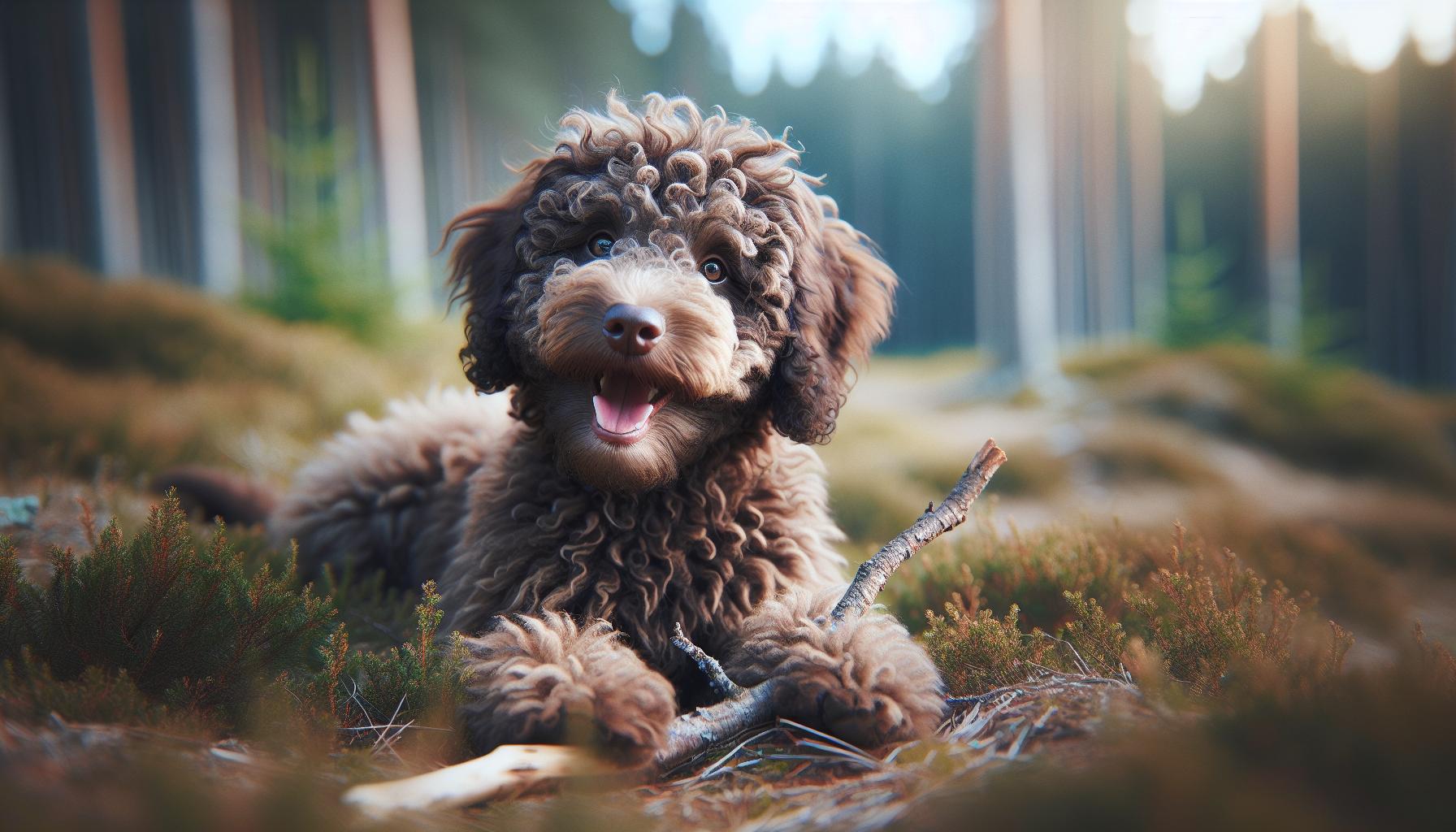
The Barbet is a breed that radiates warmth and charm, making it a delightful companion for families, active individuals, and those seeking a loyal friend. Known for its cheerful disposition, this breed thrives on human interaction and is often described as affectionate and eager to please. Barbets possess a natural curiosity and playful spirit, which can make them great around children and other pets. Their friendly nature translates into a strong desire to be part of the family, often following their humans from room to room, ensuring they remain within the social circle.
These dogs are highly intelligent, ranking among the top breeds when it comes to trainability. Barbets respond well to positive reinforcement techniques, which not only enhances learning but also strengthens the bond between the dog and its owner. Early socialization is crucial; it helps to nurture their outgoing personality and prevents timidity as they grow. In engaging environments where they can explore and interact, Barbets thrive, displaying their innate enthusiasm and love for life.
Despite their playful temperament, Barbets are surprisingly versatile and can adapt to various living conditions, whether it’s a busy household or a quieter home environment. They tend to be easygoing, making them suitable companions for first-time dog owners. However, potential owners should be prepared for regular exercise; these energetic dogs love to play fetch, swim, and enjoy outdoor adventures. Regular physical activity keeps them happy and healthy, preventing boredom-induced behaviors such as chewing or digging.
In summary, the Barbet’s combination of intelligence, playfulness, and affectionate nature makes them not just wonderful pets but also endearing members of the family. When welcoming a Barbet into your home, you can expect a loyal companion who is both spirited and loving, ready to enrich your life with joy and playful antics.
Physical Characteristics of the Barbet Dog

The Barbet dog is a captivating breed with distinctive physical features that set it apart as a unique and charming companion. This medium-sized dog showcases a well-balanced structure, typically standing between 20 to 24 inches at the shoulder and weighing anywhere from 30 to 65 pounds. Their robust build is complemented by strong limbs and a deep chest, making them not only agile but also capable of enduring rigorous activities, particularly their historical role as a waterfowl hunter.
One of the Barbet’s most striking attributes is its long, curly coat, which is not just for looks; it plays a vital role in their original purpose as a water dog. The dense, waterproof fur provides insulation against cold water, allowing them to retrieve game from lakes and rivers. Coat colors can vary widely, including black, brown, gray, and even cream, often displaying attractive patterns. However, it’s essential to note that their beautiful coats require regular maintenance to prevent matting and to keep their skin healthy. A grooming routine that includes weekly brushing and periodic baths will help maintain the coat’s luxurious texture and safeguard against tangles.
Beyond their furry exterior, Barbets possess expressive features that include a characteristic beard and eyebrows that give them a uniquely endearing look. Their wide-set, dark eyes radiate a friendly and intelligent expression, enhancing their already charming appearance. This breed’s ears hang down and are covered with long hair, further contributing to their appealing silhouette. The Barbet’s overall appearance not only resonates with their water dog heritage but also reflects their playful and sociable nature, making them stand out in any setting.
In summary, the Barbet’s combination of a well-proportioned body, lively coat, and adorable facial characteristics makes them a fascinating breed. Their physical traits not only signify their origin as versatile working dogs but also contribute to their role as beloved family pets. Understanding these characteristics can help potential owners appreciate what makes the Barbet a delightful addition to their home.
The Barbet’s Coat: Care and Maintenance Essentials

Caring for a Barbet’s coat is essential not only for aesthetics but also for their overall health and comfort. Known for their luxurious, curly fur, Barbets are prone to matting if not groomed regularly. With a grooming routine tailored to their unique coat, owners can keep their furry companions looking fabulous and feeling great.
To maintain the Barbet’s coat, a few key practices should be incorporated into your pet care routine:
Regular Brushing
Weekly brushing is critical to prevent tangles and mats from forming. Using a slicker brush or a comb designed for curly coats can help detangle any knots while distributing natural oils across the fur. Regular grooming not only keeps the coat looking pristine but also allows you to check for any skin irritations or parasites.
- Frequency: Brush at least once a week, increasing to several times a week during shedding seasons.
- Tools: Choose a slicker brush and a wide-toothed comb for effective grooming.
Bathing
Bathing the Barbet is another essential part of coat care, but it should not be overdone. Frequent bathing can strip their coat of natural oils, leading to dry skin. Aim to bathe your Barbet every 4 to 6 weeks, or as needed based on their activities and coat condition. When bathing, use a gentle, dog-specific shampoo to keep their skin healthy.
- Recommended Products: Look for hypoallergenic shampoos to avoid skin irritations.
- Drying: Towel dry and then a low-heat blow dryer can help fluff the coat without overheating.
Professional Grooming
Since the Barbet’s coat can require a lot of maintenance, many owners opt for professional grooming every 6 to 8 weeks. Groomers can help maintain the desired length and shape while ensuring that the coat stays healthy and free of mats. This is also a good opportunity to trim any hair around the eyes or paws to prevent discomfort.
Understanding how to care for a Barbet’s coat is integral to giving these wonderful dogs a happy and healthy life. While it does require commitment and effort, the reward of a well-groomed, happy dog is undeniably worth it! Regular grooming not only fosters a strong bond between you and your Barbet but also promotes their well-being, allowing them to thrive as the beloved family pet they are intended to be.
Health Considerations for Barbet Dogs
Barbets are not only charming companions; they also come with specific health considerations that prospective owners should keep in mind. Awareness of these needs can help ensure your Barbet leads a long, healthy, and happy life.
One important aspect of a Barbet’s health is their propensity for certain genetic conditions. Like many dog breeds, Barbets can be prone to hip dysplasia and eye problems, including cataracts and progressive retinal atrophy. It’s vital to choose a reputable breeder who conducts health testing on their breeding dogs to minimize these risks. Regular veterinary check-ups will also help in early detection and intervention for any potential health issues.
Diet plays a significant role in the health of your Barbet. These active dogs require a balanced diet rich in quality proteins and fats to sustain their energy levels. It’s advisable to consult with your veterinarian for a dietary plan tailored to your dog’s individual activity level and health status. Be mindful of their weight, as obesity can exacerbate other health problems, including joint issues.
Lastly, regular exercise and mental stimulation are crucial for maintaining a Barbet’s overall well-being. Daily walks, playtime, and engaging activities can prevent boredom and its associated behavioral issues. Training sessions are also beneficial, as they not only occupy your dog’s mind but strengthen the bond between you and your furry friend. By proactively addressing health considerations through preventive care, proper nutrition, and an active lifestyle, you can help ensure your Barbet remains a joyful and healthy member of your family.
Training Tips for a Happy Barbet
To create a well-mannered and happy Barbet, consistent training is essential. This breed’s intelligence and eagerness to please make them highly trainable; however, they can also exhibit a stubborn streak if not engaged properly. It is crucial to adopt positive reinforcement techniques that encourage desired behaviors while strengthening your bond. Here are some practical tips to guide you through training your Barbet effectively:
- Start Early: Begin training your Barbet as a puppy to instill good habits. Early socialization with different people, pets, and environments helps your dog develop confidence and adaptability.
- Keep Sessions Short and Fun: Barbets have a playful spirit, so make training sessions enjoyable. Limit each session to about 5-10 minutes, especially for younger puppies, and incorporate games or rewards like treats to maintain their interest.
- Utilize Positive Reinforcement: Always opt for praise and treats instead of negative reprimands. When your Barbet follows a command or displays a desired behavior, reward them immediately to reinforce the action.
- Be Consistent: Consistency is key in training. Use the same commands for specific behaviors, and ensure all family members are on board with the training approach to avoid confusing your dog.
- Teach Basic Commands: Focus on essential commands such as sit, stay, come, and heel. These foundational commands not only help in everyday management but also promote safety in various situations.
As you embark on this journey, remember to adapt your training methods based on your Barbet’s unique personality and energy levels. For instance, if your dog thrives on interaction, consider incorporating agility training or organized activities that align with their natural abilities, like fetching or swimming, which many Barbets enjoy.
Finally, regular mental stimulation is just as important as physical exercise for this breed. Puzzle toys or training exercises that challenge your Barbet mentally can significantly enhance their overall happiness and engagement. By fostering a positive training environment filled with praise and enjoyable activities, your Barbet will not only learn effectively but will also flourish as a beloved family member.
How to Exercise Your Barbet for Optimal Health
To keep a Barbet healthy and happy, it’s essential to provide them with sufficient exercise that caters to their energetic and playful nature. Known as a versatile water dog, the Barbet thrives on activities that stimulate both their physical and mental well-being. Regular exercise not only contributes to their overall health but also strengthens the bond between you and your dog, creating enjoyable moments together.
One of the best ways to exercise your Barbet is through fetching games. These dogs love retrieving objects, a trait rooted in their history as skilled hunting companions. A simple game of fetch can be played in your backyard or at a local park. To make it more engaging, try using different toys such as balls, frisbees, or even their favorite plush. Ensure to rotate toys to keep your Barbet excited and intrigued.
Another fantastic activity is swimming, which is a natural inclination for the Barbet. Their webbed feet and buoyant bodies make them excellent swimmers, so consider taking them to a dog-friendly lake or beach. Swimming is not only enjoyable but also a low-impact workout that is easy on their joints, making it suitable for Barbets of all ages. Always supervise your dog around water and ensure they feel comfortable before diving in.
In addition to structured play, enriching your Barbet’s environment with mental challenges can prevent boredom and destructive behaviors. Activities such as agility training or scent work can provide excellent outlets for their intelligence and physical energy. Setting up a simple obstacle course at home or enrolling them in a local dog sport class can greatly benefit their fitness and confidence.
Finally, remember that the amount of exercise your Barbet needs can vary based on their age, health, and energy levels. Puppies, for example, will have bursts of energy followed by long naps, while older dogs may require gentler activities like casual walks. Aim for at least an hour of exercise daily, divided into different types of activities to maintain their enthusiasm.
By integrating a variety of exercises into your Barbet’s routine, you’ll not only enhance their physical health but also nurture their joyful spirit, making every day an adventure for both of you!
The Barbet as a Family Pet: Pros and Cons
The Barbet is a breed that can easily capture the hearts of families with its charming personality and playful spirit. Known for their affectionate nature and intelligence, Barbets thrive in family environments where they are included in daily activities and outings. Their history as water retrievers means they often love to play and splash around, making them fun companions, especially for families who enjoy an active lifestyle.
### Pros of Having a Barbet as a Family Pet
- Affectionate Companions: Barbets are well-known for their loyalty and affectionate demeanor. They bond closely with their family members and often seek out affection, making them great cuddle buddies.
- Good with Children: Their gentle nature and playful attitude make Barbets excellent companions for kids. They are typically patient, energetic, and enjoy interactive play, which helps them get along well with younger family members.
- Intelligent and Trainable: This breed is not just adorable; they are also intelligent and eager to learn. Their trainability makes them suitable for various activities and even dog sports, providing your family with opportunities for training sessions that can strengthen your bond.
- Active Lifestyle: If your family enjoys outdoor activities, a Barbet’s love for water and play means they can be excellent companions for hiking, swimming, and fetching games, ensuring everyone stays active together.
### Cons to Consider
While the Barbet has many appealing qualities, it’s essential to be aware of some challenges that can arise with this breed.
- Exercise Needs: Barbets are high-energy dogs that require ample exercise. Families must commit to providing at least an hour of activity daily to keep them happy and healthy. This might be a challenge for families with very busy schedules.
- Grooming Requirements: Their distinctive curly coat requires regular grooming to prevent matting and maintain hygiene. Expect to brush them several times a week and schedule routine grooming appointments, which can be time-consuming.
- Separation Anxiety: As social dogs, Barbets thrive on interaction. If left alone for extended periods, they can develop separation anxiety, which may lead to destructive behaviors. It’s crucial to ensure they have companionship or suitable activities when you’re away.
In summary, bringing a Barbet into your family can be a rewarding experience filled with love and adventure. Their engaging nature and willingness to participate in family life can create lasting memories, but potential owners should consider both their needs and challenges. Families that are ready to embrace an active lifestyle and provide the attention and care a Barbet deserves will surely find a beloved companion in this charming breed.
Common Questions About Barbet Dogs
Barbets, with their magnificent curly coats and affectionate personalities, often spark curiosity among dog lovers. One of the most common questions prospective owners ask is about their grooming needs. Given their distinctive wavy fur, regular grooming is essential to prevent matting and maintain coat health. It’s advisable to brush your Barbet several times a week, and professional grooming every few months will help keep their coat in tip-top shape. Many owners benefit from learning how to properly trim their dog’s hair between grooming sessions to manage any tangles and keep their fur beautiful.
Another frequent inquiry pertains to their exercise requirements. Barbets are active, high-energy dogs that thrive on daily exercise. Aim for at least an hour of physical activity each day, which can include walks, runs, or playtime at the park. Engaging them in water activities, like swimming or fetching, can also be a great way to channel their energy. A well-exercised Barbet will likely be happier and less prone to behavioral issues, making it a win-win for both the dog and the owner.
In terms of temperament, new owners often want to know how well Barbets adapt to family life. These dogs excel as family pets thanks to their friendly nature and intelligence. They’re usually patient with children and enjoy interactive play, but it’s important for families to supervise playtime to ensure a safe environment. Their eagerness to please and trainability make them good candidates for obedience training, which can also deepen the bond between the dog and their family.
For those considering a Barbet, questions about health concerns are also on the list. While generally healthy, Barbets can be prone to certain conditions like hip dysplasia and ear infections due to their floppy ears. Regular vet check-ups and a healthy diet can help mitigate some of these risks. Moreover, potential owners should inquire about the breeding practices from which their Barbet comes, ensuring they choose a reputable breeder who prioritizes health testing and proper care.
Overall, educating yourself about these charming dogs will not only enhance your experience as a Barbet owner but also ensure that your furry friend leads a happy and healthy life. Whenever you have questions or uncertainties, don’t hesitate to reach out to the Barbet community or consult with professionals for guidance tailored to your situation.
Barbet Dog Breeders: What to Look For
Finding a Barbet that not only meets the breed standards but also aligns with your lifestyle and preferences is vital for a happy, healthy companionship. When searching for a Barbet breeder, prioritize finding a reputable source that demonstrates a commitment to ethical breeding practices and the overall well-being of their dogs. This is where the journey to welcoming a Barbet into your home begins, and it can set the stage for a rewarding experience.
Firstly, check if the breeder is actively involved in the dog’s community. A responsible breeder will often be a member of breed clubs, such as the Barbet Club of America, or participate in dog shows and events. This involvement indicates they are dedicated to the breed and are continually educating themselves about best practices in breeding and dog care. You can ask the breeder about their experience with Barbets and how many litters they’ve produced in recent years. A professional who focuses on quality over quantity will be better suited to provide well-bred puppies.
Another crucial factor is health screening. A reputable breeder conducts health tests on their breeding dogs to minimize the risk of genetic conditions like hip dysplasia, eye disorders, and ear infections, which can be common in the breed. Request to see health clearances for both parents, as these documents should be transparent and easily provided. It’s also beneficial to learn about the breeder’s socialization practices; healthy puppies are exposed to various environments, sounds, and people before they reach your home, which aids in developing a well-adjusted dog.
Finally, consider the breeder’s environment. Responsible breeders provide a nurturing space for their dogs, ensuring they live indoors with regular interaction. When visiting, observe the conditions of the puppies and their parents. Are they clean, well-cared for, and socialized? A breeder who welcomes you to their home and allows you to see the conditions in which their dogs are raised shows pride in their work and a commitment to responsible breeding.
In summary, finding the right Barbet breeder involves thorough research and thoughtful questions. By seeking out breeders who prioritize health, socialization, and a positive environment, you set the foundation for a fruitful relationship with your future furry friend. Whether you’re a first-time dog owner or an experienced handler, knowing what to look for in a breeder can ensure that your Barbet thrives in a loving home dedicated to their care and happiness.
Adopting a Barbet: What to Expect
Embracing a Barbet into your home is not just about bringing in a new pet; it’s about welcoming a loyal companion with a rich history and a loving spirit. This unique breed is known for its gentle demeanor and playful nature, making them excellent family dogs. When considering adopting a Barbet, it’s essential to be prepared for what lies ahead and understand the nuances that come with integrating this special breed into your life.
Initial Adaptation Period
When you first bring your Barbet home, it’s normal for them to feel a mix of excitement and anxiety as they adjust to their new environment. Give your new furry friend time to settle in; create a safe space for them with familiar items such as a cozy bed and their favorite toys. Establishing a consistent routine will help them adapt quickly. Take the time to introduce them to their new surroundings and family members gradually. It’s important to supervise interactions, especially with children and other pets, to ensure everyone feels comfortable.
Physical and Emotional Needs
Barbets are known for their high energy levels, so regular exercise is crucial for their overall well-being. A mix of daily walks, playtime, and swimming can keep your Barbet happy and healthy. Additionally, mental stimulation is just as important. Engage them with puzzle toys and training sessions that cater to their intelligence and eagerness to please. It’s not uncommon for Barbets to thrive in active households where they can accompany their families on adventures or enjoy playdates with other dogs.
Grooming Requirements
One of the unique aspects of owning a Barbet is caring for their distinctive coat. Their curly fur requires regular grooming to prevent matting and promote a healthy shine. Establish a brushing routine to keep their coat in good condition and to check for any skin issues. Regular baths using dog-friendly shampoos will also help maintain their coat’s cleanliness. Familiarizing your Barbet with grooming early on will ease this process and make them comfortable during grooming sessions.
Building a Bond
The Barbet’s affectionate nature thrives on companionship and love. Spend quality time bonding with your Barbet through play, training, and affection. Positive reinforcement during training is particularly effective; these intelligent dogs enjoy learning and can quickly pick up commands. Establishing a bond based on trust and respect will yield a lifelong friendship filled with joy and loyalty.
In summary, adopting a Barbet brings joy and companionship into your life with their playful spirit and endearing temperament. By understanding their needs and being proactive in their care, you’ll pave the way for a fulfilling relationship with your charming new friend.
Q&A
Q: What is the Barbet dog known for?
A: The Barbet dog is known for its rustic charm, cheerful disposition, and distinctive curly coat. Originally bred as a water dog in France, they excel in swimming and retrieving, making them great companions for outdoor activities. Their friendly nature makes them excellent family pets.
Q: How does the Barbet compare to other water breeds?
A: The Barbet stands out among water breeds for its unique curly coat and versatile temperament. Unlike the Labrador Retriever, which is more energetic, Barbets are balanced and calm yet still enjoy active play, making them ideal for families seeking a gentler nature in a water dog.
Q: Are Barbets good with children?
A: Yes, Barbets are generally excellent with children. Their friendly and playful temperament makes them suitable companions for kids. Early socialization and training can further enhance their behavior, ensuring they bond well and remain gentle during playtime.
Q: What are some common health issues in Barbet dogs?
A: Barbets are generally healthy but can be prone to certain conditions such as hip dysplasia and ear infections due to their floppy ears. Regular vet check-ups and proper grooming can help mitigate these risks. Refer to the “Health Considerations for Barbet Dogs” section in your article for more details.
Q: How much exercise do Barbets need?
A: Barbets require moderate exercise to stay healthy and happy. Daily walks, playtime, and swimming sessions are ideal. Aim for at least 60 minutes of activity each day to keep them energized and prevent behavioral issues.
Q: What grooming does a Barbet require?
A: Barbets require regular grooming due to their thick, curly coats. Brush their fur at least two to three times a week to prevent matting, and consider professional grooming every few months. Refer to the “The Barbet’s Coat: Care and Maintenance Essentials” section for more tips.
Q: Can Barbets adapt to apartment living?
A: Yes, Barbets can adapt to apartment living as long as they receive sufficient exercise. Their calm demeanor and affectionate nature make them suitable for smaller spaces, provided you can commit to daily walks and playtime to meet their activity needs.
Q: What should I consider before adopting a Barbet?
A: Before adopting a Barbet, consider your lifestyle and ability to provide daily exercise, grooming, and training. They thrive in active households and require socialization to prevent shyness. Review the “Adopting a Barbet: What to Expect” section for further insights and tips.
The Conclusion
As you’ve discovered, the Barbet is not just a charming French water dog-it’s a loyal companion with a rich history and a unique personality! If you’re considering adding a Barbet to your family, remember they thrive on exercise, engagement, and, of course, love. Don’t miss out on exploring our detailed guide on “Caring for Your Barbet: Essential Tips for New Owners” to ensure you have all the tools you need to create a happy and healthy environment for your new furry friend.
Act now-subscribe to our newsletter for exclusive tips and resources on dog care, or check out our product pages for must-have accessories tailored for Barbets! Have questions? Share your thoughts in the comments below; we love hearing from fellow dog enthusiasts! Continue your journey with us and discover more about similar breeds like the Poodle or Portuguese Water Dog that might catch your interest. Your future Barbet is just a click away!