
When it comes to choosing the perfect furry companion, many potential dog owners find themselves torn between Labradoodles and Goldendoodles. Both breeds are known for their friendly nature and impressive intelligence, making them excellent family pets. Understanding their differences is crucial, as each brings unique traits and care requirements that can significantly impact your life and lifestyle. Labradoodles, with their boundless energy and affectionate demeanor, contrast with Goldendoodles, who often exhibit a gentler, more laid-back temperament. Whether you seek a playful partner for outdoor adventures or a cuddly companion for quiet evenings, knowing these distinctions will help you make a more informed choice. Dive in to uncover the key differences, tips for training, grooming needs, and which breed might be the right fit for you and your family!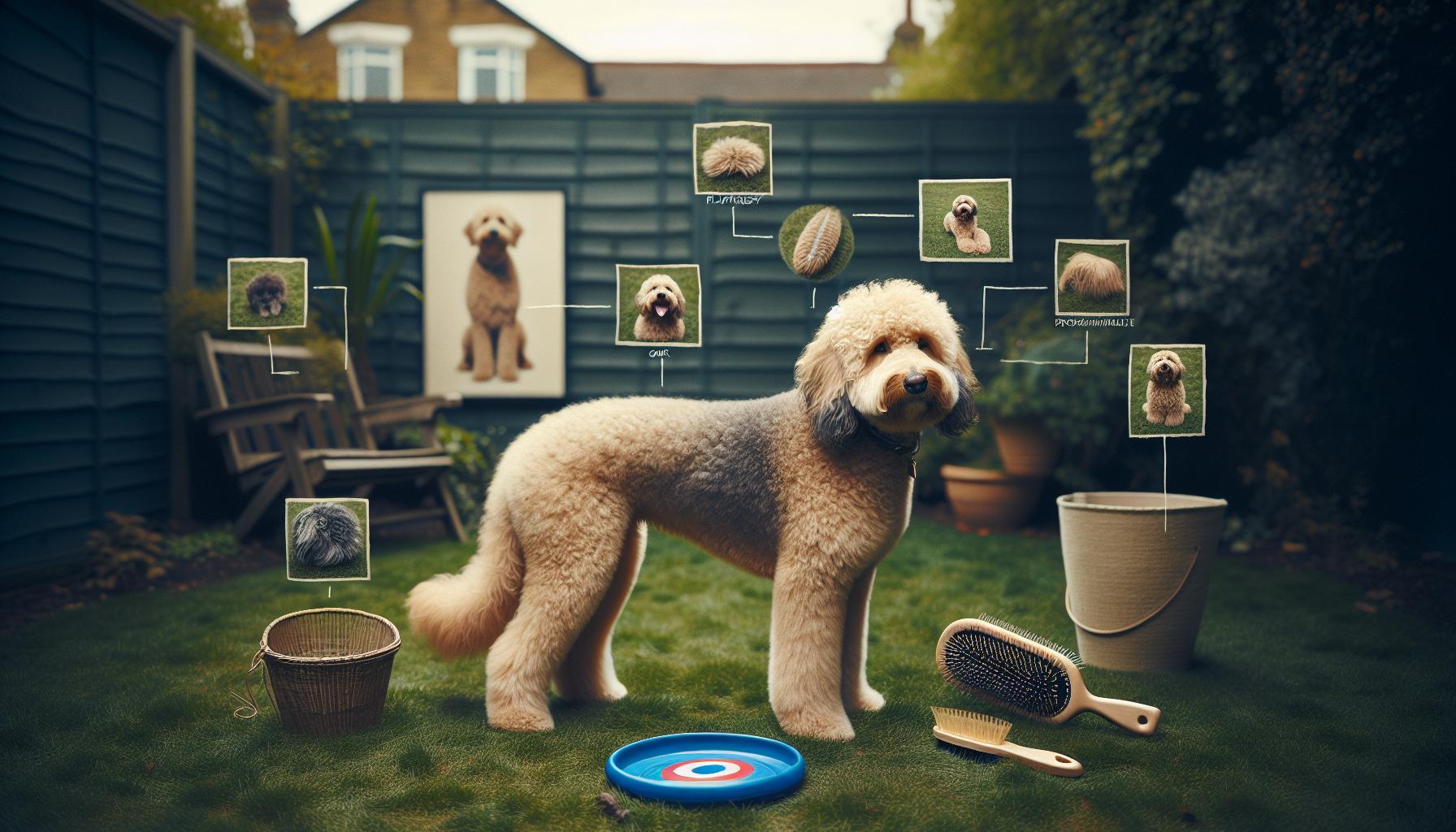
What Makes Labradoodles Unique?
Labradoodles are a delightful blend of the highly beloved Labrador Retriever and the clever Poodle, and their unique qualities make them stand out. One of the most notable characteristics of Labradoodles is their coat, which can vary from wavy to curly, often described as low-shedding. This makes them a fantastic choice for families with allergies, as they were originally bred to create a hypoallergenic service dog. Their friendly and sociable nature also adds to their charm, making them not just great family pets but also excellent companions for individuals.
Another striking aspect of Labradoodles is their intelligence and eagerness to please. This combination makes training them a rewarding experience. Whether you are teaching basic commands or exploring advanced tricks, Labradoodles typically excel due to their sharp minds and motivation. They thrive on mental stimulation, which can come in the form of interactive toys, agility training, or even regular walks that challenge them physically and mentally. Engaging in these activities can strengthen the bond between you and your Labradoodle, making them feel loved and part of the family unit.
Additionally, Labradoodles are known for their energetic and playful demeanor. They require regular exercise and enjoy being active, whether it’s playing fetch in the backyard or going on long hikes with their families. Their playful nature often spills over into their interactions with children, making them gentle and patient companions. However, it’s essential for potential owners to recognize that with their high energy levels comes the responsibility of providing sufficient exercise and mental challenges to keep them happy and out of trouble.
In summary, the Labradoodle’s unique blend of intelligence, hypoallergenic coat, and playful personality makes them an attractive option for families and individuals alike. Just be prepared for an active companion that thrives on interaction and engagement!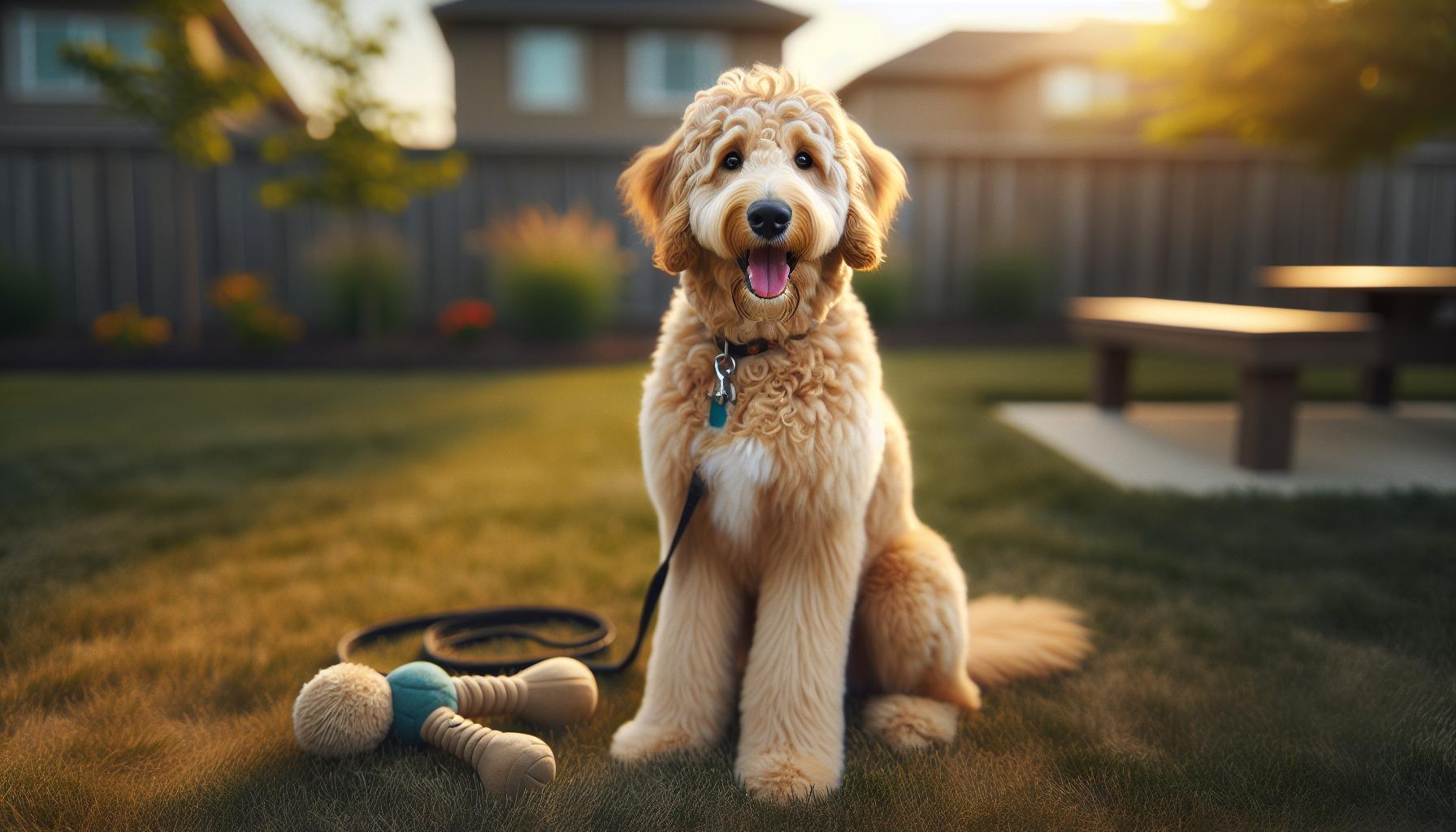
Understanding Goldendoodles: Key Traits
The Goldendoodle, a cheerful mix of the Golden Retriever and the Poodle, has captured the hearts of many dog lovers with its affectionate nature and charming personality. One of the most remarkable traits of Goldendoodles is their coat, which can range from wavy to curly, providing an aesthetic appeal that’s both adorable and practical, especially for families with allergies. Thanks to their Poodle lineage, Goldendoodles often produce a lower-shedding coat, making them a suitable pet for allergy sufferers while still enjoying the playful and friendly disposition inherited from the Golden Retriever.
When it comes to temperament, Goldendoodles are generally known for their social, friendly demeanor. They tend to be exceptionally good with children and other pets, making them ideal family dogs. Their playful spirit often translates into an eagerness to engage in activities and games, ensuring that they remain active and stimulated. In fact, regular exercise isn’t just a recommendation; it’s essential for their well-being. Engaging them in fetch games, swimming, or even long walks can help channel their energy positively, creating a balanced and happy dog.
Goldendoodles are also celebrated for their high intelligence, a gift from both parent breeds. This intelligence, coupled with their desire to please, makes them relatively easy to train. Whether you’re starting with basic commands or advanced tricks, their innate eagerness to learn can enhance your training experience. Consistent positive reinforcement and mental challenges, such as puzzle toys or agility courses, can keep their minds sharp and prevent boredom-related issues.
To truly appreciate the Goldendoodle’s charm, it’s important to understand their need for companionship. They thrive on love, attention, and social interactions-not just with humans, but also with other pets. Thus, they do best in environments where they are not left alone for long periods. Adopting a Goldendoodle means committing to make them an integral part of your family, ensuring they receive the affection and engagement they crave.
Labradoodle vs. Goldendoodle: Physical Differences
When comparing Labradoodles and Goldendoodles, the differences in their physical traits can be quite noticeable. Both breeds exhibit a delightful blend of their parent breeds-Labrador Retriever and Poodle for the Labradoodle, and Golden Retriever and Poodle for the Goldendoodle. However, it’s their individual characteristics that make them unique.
Labradoodles generally have a more robust build and can stand anywhere from 21 to 24 inches tall at the shoulder, weighing between 50 to 65 pounds. Their coat can vary from wavy to curly and usually reflects a moderate shedding tendency, less than most Labs but slightly more than the Goldendoodle. Their fur often has a wiry texture which can be well-suited for those looking for a low-shedding option. Labradoodles come in various sizes, including standard, medium, and miniature, giving potential owners the flexibility to choose a size that best fits their lifestyle.
On the other hand, Goldendoodles tend to have a slightly longer and softer coat, which can also be wavy or curly, and they are primarily a bit fluffier. They typically range from 20 to 24 inches in height and weigh between 50 to 90 pounds, depending on their size variation (miniature, medium, or standard). Goldendoodles often display a lion-like mane, especially in their standard form, which adds to their charm. Given the Golden Retriever parentage, they can sometimes inherit the more golden hues in their coat, which contrasts beautifully with their Poodle lineage.
Both breeds require regular grooming to manage their coats and avoid matting, but the grooming needs may differ slightly. While Labradoodles might need fewer trips to the groomer due to their more forgiving coat texture, Goldendoodles often benefit from consistent brushing due to their fluffier, more delicate fur. It’s worth noting that these differences in coat type can also affect the dog’s suitability for allergy sufferers-both breeds can be a good choice, but individual reactions can vary.
Whether you’re drawn to the energetic allure of a Labradoodle or the fluffy sweetness of a Goldendoodle, understanding their physical distinctions can help you make an informed decision about which furry friend best fits your home and lifestyle.
Temperament Comparison: Labradoodle vs. Goldendoodle
When considering the temperament of Labradoodles and Goldendoodles, it’s fascinating how both breeds exhibit wonderful traits from their parentage while showcasing their unique personalities. Labradoodles, bred from a Labrador Retriever and a Poodle, often embody the playful and friendly nature of Labs, which makes them excellent family dogs. They are generally energetic, sociable, and eager to please, which makes training a rewarding experience. Their playful demeanor can translate into a love for outdoor activities, so they thrive in environments where they can engage in regular exercise, such as running, fetching, or even agility training.
In contrast, Goldendoodles, a combination of a Golden Retriever and a Poodle, are known for their affectionate and gentle disposition. These dogs often show a more laid-back demeanor, making them suitable companions for families, individuals, and even therapy work. Their affectionate nature means they love to be with people, often showing a strong desire to cuddle and be close to their owners. This loving temperament is great for households with children and works well in social settings, where their friendly disposition can shine.
Understanding these distinctions can help potential owners match their lifestyle with the right breed. For instance, if you enjoy outdoor adventures and active play, a Labradoodle may be the perfect fit, as they have a higher energy level and need plenty of stimulation. On the other hand, if you seek a companion who is calm, affectionate, and enjoys leisurely walks and family time, a Goldendoodle might be more suitable. It’s essential to consider the individual personality of each dog as well-both breeds can vary significantly in temperament based on genetics and upbringing.
Here’s a quick comparative overview:
| Trait | Labradoodle | Goldendoodle |
|---|---|---|
| Energy Level | High | Moderate |
| Affection Level | Very High | Very High |
| Trainability | Easy – eager to please | Easy – intelligent and willing |
| Social Behavior | Very Social | Extremely Social |
Whether you lean toward the lively spirit of a Labradoodle or the gentle affection of a Goldendoodle, both breeds can bring immense joy and companionship into your life. The key is ensuring they fit your lifestyle and that you can meet their needs for exercise, social interaction, and love. Always remember that a well-socialized dog, regardless of breed, will be the happiest and most well-adjusted!
Grooming Needs: Labradoodle vs. Goldendoodle
When it comes to keeping your furry friend looking their best, grooming is a key component of care for both Labradoodles and Goldendoodles. These breeds may share a curly, low-shedding coat thanks to their Poodle ancestry, but how you maintain that coat can differ significantly between the two. Understanding their grooming needs can help you form a solid routine that keeps your dog healthy and happy.
Labradoodles typically inherit a coat that requires more frequent grooming. Their wavy to curly fur is prone to matting if not cared for properly. To keep their coat in good condition, regular brushing at least 2-3 times a week is recommended. This will not only help prevent tangles but also allow you to check for skin irritations or parasites. Additionally, many Labradoodle owners opt for professional grooming every 6 to 8 weeks to maintain an easy-to-manage length and a neat appearance. This grooming session usually includes a bath, nail trimming, and ear cleaning, which are essential parts of their overall health care.
Goldendoodles, on the other hand, generally have a softer coat, which is often less prone to matting than that of a Labradoodle. However, they still require regular grooming to prevent both tangling and excessive shedding. A good brushing once a week, or more often during heavy shedding seasons, will keep their coat healthy and shiny. Many Goldendoodle owners find that a trim every 8 to 12 weeks is sufficient to keep their dog comfortable and looking sharp. They tend to enjoy grooming more than Labradoodles, which can make the experience easier at home.
Grooming Checklist for Labradoodles and Goldendoodles
Here’s a straightforward grooming checklist to help you manage the grooming responsibilities for both breeds:
| Grooming Task | Labradoodle | Goldendoodle |
|---|---|---|
| Brushing Frequency | 2-3 times a week | Once a week |
| Professional Grooming | Every 6-8 weeks | Every 8-12 weeks |
| Nail Trimming | Every 3-4 weeks | Every 3-4 weeks |
| Ear Cleaning | Every month | Every month |
Both Labradoodles and Goldendoodles can benefit considerably from early exposure to grooming. Starting this process when they are puppies not only helps them get accustomed to the routine but also turns grooming into a bonding experience. Remember, having the right grooming tools-like slicker brushes, combs, and dog-safe shampoos-will make your job easier and contribute positively to your dog’s overall well-being.
In summary, while Labradoodles may require a more intensive grooming regimen due to their tendency to mat, Goldendoodles benefit from a gentler touch with their softer coats. In either case, staying consistent with grooming routines can greatly enhance your relationship with your dog, ensuring they feel comfortable, clean, and loved!
Health Considerations for Both Breeds
Choosing to welcome a Labradoodle or Goldendoodle into your home is an exciting journey, but it’s essential to understand the unique health considerations that come with each breed. Like all mixed breeds, both Labradoodles and Goldendoodles inherit potential health risks from their parent breeds, namely the Labrador Retriever and the Poodle. Awareness of these factors can guide you in ensuring your furry friend lives a long, healthy, and fulfilling life.
Both breeds are generally healthy, but they can be predisposed to certain health issues. Labradoodles, in particular, may face challenges such as hip dysplasia, elbow dysplasia, and certain skin conditions. Regular check-ups with a veterinarian are crucial to monitor these potential issues. Similarly, Goldendoodles also need attention paid to hip dysplasia, as well as heart issues such as dilated cardiomyopathy, which can affect Poodles. Routine health screenings can help catch these conditions early, allowing for more effective treatment.
When considering health maintenance, nutrition plays a vital role. Feeding your Labradoodle or Goldendoodle a balanced diet high in nutrients is essential. Look for high-quality dog food that lists meat as the first ingredient and is specifically designed for their size and age. Portion control is also important to prevent obesity, a common issue that can exacerbate many health problems, especially in Labradoodles.
To further enhance their well-being, don’t underestimate the importance of exercise and mental stimulation. Both Labradoodles and Goldendoodles thrive on regular activity which helps maintain a healthy weight and fosters good cardiovascular health. Daily walks, playtime, and engaging in mentally stimulating games are excellent ways to keep your pup both physically and mentally fit.
Finally, understanding the unique traits of your choice helps tailor their care. Building a health plan that includes check-ups, proper diet, and regular exercise will not only support their physical health but also enrich their emotional well-being. By investing time and care into your dog’s health needs, you’re sure to enjoy many happy years together.
| Health Concerns | Labradoodles | Goldendoodles |
|---|---|---|
| Hip Dysplasia | Yes | Yes |
| Elbow Dysplasia | Yes | No |
| Heart Conditions | No | Yes (Dilated Cardiomyopathy) |
| Skin Conditions | Yes | Less common |
Training Approaches for Labradoodles and Goldendoodles
Harnessing the incredible intelligence and eagerness to please found in both Labradoodles and Goldendoodles can make training a truly rewarding experience. Both breeds inherit desirable traits from their parent breeds-Labrador Retrievers and Poodles-which contribute to their trainability. These dogs thrive on positive reinforcement and structured training sessions, making them fantastic companions for both novice and experienced dog owners.
When it comes to training approaches, consistency is key for both Labradoodles and Goldendoodles. Establishing a routine early on helps set clear expectations. For instance, you might consider using simple commands such as “sit,” “stay,” and “come” during daily positive interactions. Tools like clickers and treats can reinforce good behavior, encouraging them to respond eagerly. Given their playful nature, incorporating fun activities-like agility training or fetch-into your training regimen keeps their interest piqued and allows them to burn off excess energy.
Comparison of Training Techniques
While both breeds exhibit similar training responsiveness, slight differences do emerge. Labradoodles tend to be more adaptable to various environments and situations, often excelling in settings that require versatility, such as therapy and service dog roles. This means they may respond exceptionally well to socialization and exposure training. In contrast, Goldendoodles generally inherit a slightly gentler temperament from their Golden Retriever lineage; therefore, training might require a touch more patience, particularly with tasks that lean towards more assertive behaviors. Both breeds, however, are inclined to enjoy learning and will flourish with consistent, positive experiences.
- Training Duration: Keep sessions between 5-10 minutes for younger pups, gradually increasing to 15-20 minutes for adults.
- Socialization: Introduce your dog to other animals and diverse environments early on to minimize anxiety later.
- Use of Treats: Choose healthy treats and avoid overindulgence to keep their weight in check.
To bolster effective training, engaging in group training classes can be beneficial, especially for new dog owners. These classes offer socialization opportunities while providing expert guidance. Remember, patience and understanding are essential, as each dog learns at its own pace. With commitment and enthusiasm, both Labradoodles and Goldendoodles can become well-behaved members of your family, ready to share countless adventures with you.
Labradoodle and Goldendoodle: Lifespan and Care
When considering a new furry family member, understanding the lifespan and care requirements for Labradoodles and Goldendoodles is crucial. Both breeds are known for their friendly demeanor and intelligence, but they do have some distinctions that can influence your choice and care strategies. Generally, both Labradoodles and Goldendoodles boast a lifespan ranging between 12 to 14 years, although individual factors such as genetics and environment play significant roles in determining how long they’ll be part of your family.
To ensure these delightful pups thrive, proactive care involving regular veterinary check-ups, a balanced diet, and ample exercise is essential. Both breeds tend to enjoy physical activity and mental stimulation, making daily walks, playtime, and interactive games important components of their routine. Additionally, maintaining a healthy weight is vital; overweight dogs are more prone to health issues such as joint problems or diabetes.
Regular Care Checklist
It’s beneficial to establish a comprehensive care regimen tailored to their needs. Here’s a quick checklist to help you maintain their health and happiness:
- Diet: Provide high-quality dog food appropriate for their age and size. Consult your vet for personalized dietary recommendations.
- Exercise: Aim for at least 30 to 60 minutes of physical activity daily, incorporating both walks and play.
- Grooming: Regular brushing (at least once a week) is important for both breeds to minimize shedding and matting, particularly for Goldendoodles.
- Health Check-Ups: Schedule annual vet visits and stay updated on vaccinations to prevent common health issues.
- Dental Care: Brush their teeth regularly and consider dental chews to maintain oral health.
Both Labradoodles and Goldendoodles can be prone to some hereditary health issues, including hip dysplasia and certain eye conditions. Regular vet visits can help catch potential problems early. While Labradoodles may be slightly more robust due to their Labrador lineage, Goldendoodles can benefit from a focus on their gentler, often more sensitive nature.
By providing long-term care and attention, you can ensure that your Labradoodle or Goldendoodle leads a fulfilling, healthy life. Their loyalty and love will enrich your family’s life for many years, making this investment in care truly rewarding.
Lifestyle Compatibility: Which Breed Suits You?
Choosing between a Labradoodle and a Goldendoodle is not just about preference; it’s about finding the right furry companion that fits seamlessly into your lifestyle. Each breed offers unique characteristics that may align more closely with your living situation, family dynamics, and personal preferences.
Labradoodles are highly energetic and thrive in active households, making them perfect for families that enjoy outdoor activities. They require plenty of exercise and mental stimulation to keep them happy. If you’re a busy family that can provide daily walks, playtime, and perhaps even a jog, a Labradoodle might just be the right fit. Their playful nature and love for people make them great companions for children, and they often enjoy games of fetch or agility training.
In contrast, Goldendoodles are generally known for their calmer demeanor. While they still need regular exercise, they may be better suited for those who prefer a more laid-back lifestyle. If your home is quieter or if you’re seeking a companion for cozy nights on the couch, a Goldendoodle could be a wonderful match. Their friendly and sensitive nature can also make them excellent therapy dogs, adding a layer of companionship in various settings.
Understanding these lifestyle dynamics can help you make an informed decision. Consider your daily routine, energy levels, and family interaction styles. Reflect on whether you want a dog that will challenge you with its energy, or one that will cuddle beside you at the end of a long day. No matter which breed you choose, both Labradoodles and Goldendoodles promise unconditional love and companionship, just in ways that cater to different lifestyles.
Cost of Ownership: Labradoodle vs. Goldendoodle
When welcoming a Labradoodle or Goldendoodle into your life, understanding the financial commitment is crucial. Both breeds may present similar overall costs, but certain aspects can lead to variations that are worthwhile to explore. On average, the initial purchase price for either breed can range from $1,500 to $3,000, depending on factors such as pedigree, breeder reputation, and geographic location. However, ongoing costs for each breed can differ, making it essential for potential owners to evaluate what fits their budget best.
Initial and Ongoing Expenses
Initial costs set the tone for the overall financial outlay involved in dog ownership. Consider these key areas of expenses:
- Purchasing the Dog: The price fluctuates based on the breeder and the dog’s lineage. Make sure to choose a reputable breeder to avoid unexpected health issues that could add to your costs later.
- Vaccinations and Health Check-ups: Both breeds require regular veterinary care. Initial vaccinations, spay/neuter procedures, and health exams can cost between $300 and $500 in the first year, with ongoing expenses in subsequent years.
- Supplies and Equipment: Initial supplies such as a crate, bed, food bowls, leashes, and grooming tools can add another $200-$400. Grooming is particularly important for Goldendoodles because of their thick coats.
Grooming and Maintenance
While both Labradoodles and Goldendoodles are known for their low-shedding coats, Goldendoodles typically require more intense grooming maintenance. The cost of professional grooming can range from $50 to $100 every 6 to 8 weeks for Goldendoodles, while Labradoodles may need grooming around every 8 to 12 weeks, possibly at a lower cost depending on the length of the fur.
Food and Nutrition
Both breeds need high-quality dog food to flourish, but their diets may require different considerations. Labradoodles, often larger and more active, might need more food, leading to a monthly expense of approximately $40 to $70. Goldendoodles may consume less, averaging around $30 to $60 per month, depending on size and activity level.
Health Considerations
Health issues can affect costs significantly. Labradoodles may face hip dysplasia or progressive retinal atrophy, while Goldendoodles can have issues related to their Poodle lineage, such as skin allergies. Regular veterinary check-ups, potential specialty care, and health insurance should be factored into your budget, which may cost around $500 per year on average.
As you weigh your options, keeping track of both immediate and long-term costs will help you to appreciate the true financial commitment of welcoming a doodle into your home. Whether it’s a lively Labradoodle that sparks joy with their playful nature or the gentle Goldendoodle that brings comfort and companionship, being prepared can make all the difference in ensuring a happy partnership.
Debunking Myths: Labradoodles vs. Goldendoodles
Many potential dog owners find themselves drawn to the lovable, energetic nature of both Labradoodles and Goldendoodles, but with fame comes the risk of misconceptions. Understanding these breeds means navigating through a maze of myths to appreciate the unique qualities of each. One prevalent myth is that Labradoodles are simply “lesser” Goldendoodles. This viewpoint stems from the general popularity of Goldendoodles; however, Labradoodles have their own distinct origins and traits that make them equally lovable companions.
Another common misunderstanding is that both breeds are hypoallergenic. While it’s true that both Labradoodles and Goldendoodles can produce fewer allergens compared to many purebred dogs, individual reactions can vary widely. Some people might still experience allergies despite these breeds’ coat characteristics. Regular grooming significantly helps in minimizing dander, allowing allergy sufferers a better experience around these furry friends.
Additionally, many people think Labradoodles are always larger than Goldendoodles, but that’s not the case. Goldendoodles come in various sizes – standard, miniature, and even toy – depending on whether a standard or miniature Poodle is used in the breeding. This variability often leads to confusion about their size comparisons. Similarly, just because Labradoodles have a reputation for being high-energy doesn’t mean they don’t enjoy downtime and cuddling.
Ultimately, focusing on each breed’s needs, personalities, and characteristics will lead to a better match for potential owners. For those considering either of these adorable breeds, it’s important to research thoroughly, consider personal lifestyle, and learn about training and socialization to ensure a harmonious home. Embracing the truth behind these breeds will pave the way for a fulfilling canine partnership.
Choosing the Right Doodle for Your Family
When it comes to selecting the perfect Doodle for your family, understanding the nuanced differences between Labradoodles and Goldendoodles is crucial. Both breeds are remarkably friendly and intelligent, making them excellent companions, but they do have distinct traits that might make one a better fit for your lifestyle than the other. For instance, while Labradoodles are often described as playful and high-energy, they also carry a gentle and loyal demeanor. In contrast, Goldendoodles tend to be a bit more trainable due to their eager-to-please nature, influencing the overall family experience.
To make an informed choice, consider your family’s activity level and living situation. If you lead an active lifestyle, a Labradoodle’s energetic spirit might resonate well with you. They thrive on outdoor adventures like hiking or swimming. On the other hand, Goldendoodles often adapt smoothly to various environments, including apartments, provided they receive ample exercise. Additionally, their affectionate nature makes them excellent companions for children, particularly if your family is looking for a cuddly friend who enjoys both playtime and quiet moments.
When evaluating grooming needs, both breeds have coats that require regular upkeep to minimize shedding and dander. However, keep in mind that Goldendoodles, depending on their lineage, may have a curlier coat, which can affect grooming frequency. Regular brushing and professional grooming can keep their coats healthy and manageable, enhancing their beauty and comfort.
Don’t forget to involve your family in the decision-making process! Introducing each breed through visits to dog parks or breeders can offer hands-on experience with their personalities. Ask questions about their backgrounds, training needs, and health concerns. Researching potential veterinarians and local pet services will also help ensure you have the necessary resources to care for your future furry friend.
Ultimately, whichever breed you choose, the key is to be prepared for both the joys and responsibilities of dog ownership. With love, patience, and proper training, your family will find a faithful companion in either a Labradoodle or a Goldendoodle. Embrace the experience, and you’ll forge a lasting bond with your new family member!
Q&A
Q: What are the key differences in temperament between Labradoodles and Goldendoodles?
A: Labradoodles are generally known for being friendly and intelligent, making them great family pets. Goldendoodles tend to be more eager to please and can be slightly more energetic. Both breeds are affectionate, but Goldendoodles may require more social interaction.
Q: How do Labradoodles and Goldendoodles differ in grooming needs?
A: Labradoodles typically have a wavier coat that may require regular brushing to prevent mats. Goldendoodles, depending on their coat type, can have either wavy or curly fur, often needing more frequent grooming to keep their coat healthy. Regular grooming is essential for both breeds.
Q: Which breed is better for allergy sufferers, Labradoodle or Goldendoodle?
A: Both Labradoodles and Goldendoodles are considered hypoallergenic, but the Goldendoodle often has a lower dander count, making them slightly better suited for allergy sufferers. However, individual reactions may vary, so spending time with both breeds is advisable.
Q: What is the lifespan difference between Labradoodles and Goldendoodles?
A: Labradoodles typically live between 12 to 14 years, while Goldendoodles have a similar lifespan of around 10 to 15 years. Factors such as health, genetics, and care can greatly influence their longevity.
Q: Are Labradoodles or Goldendoodles more trainable?
A: Both breeds are intelligent and eager to please, making them relatively easy to train. However, Goldendoodles may be slightly easier to train due to their strong desire for approval. Consistent, positive reinforcement methods work well for both breeds.
Q: What activity levels should I expect from Labradoodles compared to Goldendoodles?
A: Labradoodles generally have a moderate activity level, enjoying playtime and walks. Goldendoodles tend to be more energetic and may require more exercise and mental stimulation to keep them happy and healthy.
Q: Are there any specific health issues that differ between Labradoodles and Goldendoodles?
A: While both breeds can be prone to certain genetic conditions, Labradoodles commonly face hip dysplasia, and Goldendoodles can be more prone to certain heart conditions. Regular veterinary check-ups are essential to monitor and maintain their health.
Q: What is the price difference for Labradoodles versus Goldendoodles?
A: The cost for both breeds can vary widely based on factors like breeder reputation and location. Generally, Labradoodles may range from $1,500 to $3,000, while Goldendoodles can range from $1,500 to $5,000, depending on size and breeding quality.
The Conclusion
Now that you know the key differences between Labradoodles and Goldendoodles, it’s time to make an informed decision that suits your lifestyle and preferences. Whether you’re drawn to the high-energy, affectionate nature of Labradoodles or the intelligent, friendly demeanor of Goldendoodles, both breeds offer fantastic companionship and joy. Don’t forget to check out our detailed guides on the care needs of Labradoodles and training tips for Goldendoodles to ensure your new furry friend thrives.
Ready to find your perfect companion? Explore our adoption resources or sign up for our newsletter to receive expert advice and tips straight to your inbox. If you have any questions or stories to share about your experiences with these delightful breeds, we love to hear from our community-comment below! Your journey with a Labradoodle or Goldendoodle starts now-let’s embark on this adventure together!