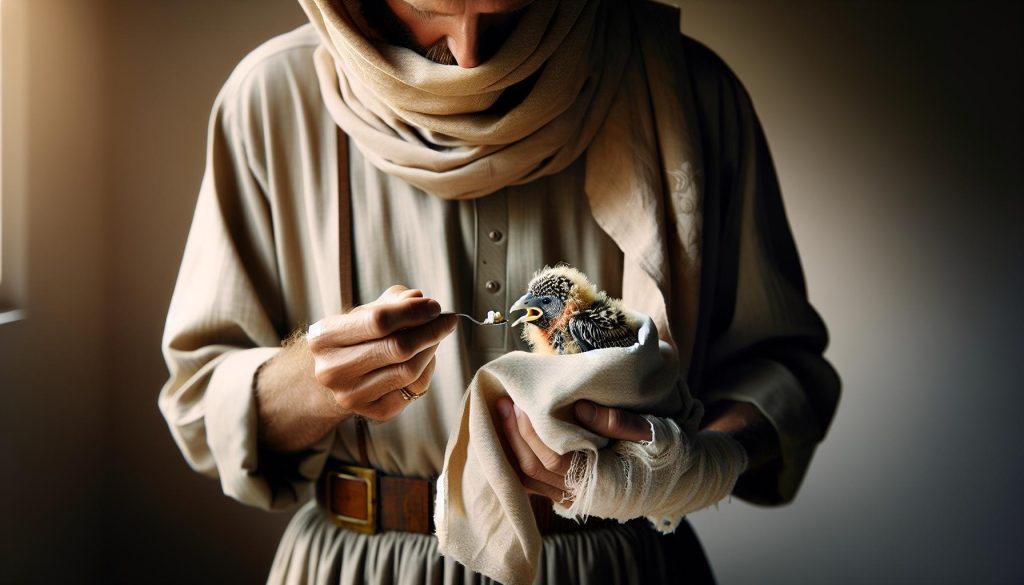
When it comes to raising a Baby Barbet, understanding nutrition is vital for their healthy development. Did you know that the right diet at this young age can shape their growth, energy levels, and overall well-being? As a new puppy owner, you want to provide your little companion with the best start in life, setting them up for vibrant health and longevity. Navigating the myriad of puppy food options can be daunting, especially with a breed as unique as the Barbet. As they transition from dependence on their mother’s milk to solid food, ensuring they receive the right mix of proteins, fats, and carbohydrates will lay the groundwork for a happy, healthy dog. In this guide, we’ll delve into the specific nutritional needs of Baby Barbets, offering practical tips and tailored advice to help you make informed choices for your pup’s diet. Let’s embark on this exciting journey together, ensuring your Barbet thrives!
Types of Puppy Food for Baby Barbets
Baby Barbets, with their charming looks and playful nature, require a diet that supports their rapid growth and energy levels. When it comes to selecting the right type of puppy food, it’s essential to consider options that provide the necessary nutrients for their developing bodies. There are three primary types of food to consider: commercial puppy food, homemade meals, and raw diets.
- Commercial Puppy Food: This is often the most convenient and balanced option. Look for high-quality brands that offer food specifically formulated for puppies. These will typically have the right proportions of protein, fats, and other nutrients essential for growth. Ensure the puppy food is labeled “complete and balanced,” as this indicates it meets the nutritional standards set by organizations like the AAFCO (Association of American Feed Control Officials).
- Homemade Meals: Preparing food at home can be a rewarding way to ensure your puppy gets fresh, healthy ingredients. If you choose to go this route, consult with a veterinarian to create a diet that includes proteins (like chicken or beef), carbohydrates (like rice or sweet potatoes), and vegetables (like carrots or peas). Be careful to include essential vitamins and minerals-commercial supplements might be necessary to ensure a well-rounded diet.
- Raw Diets: Some puppy owners opt for a raw or “BARF” (biologically appropriate raw food) diet, which consists of raw meat, bones, fruits, and vegetables. Proponents argue that this diet can lead to healthier coat and skin, better digestion, and fewer allergies. However, handling raw food safely is crucial, and it’s best to discuss this option with a vet to ensure it meets the specific needs of your baby Barbet.
While choosing the right type of food, consider your Barbet’s personal preferences, any dietary restrictions, and your lifestyle. Transitioning to a new food should be done gradually to prevent digestive issues, so mixing the new food with the current one over several days can help your puppy adjust smoothly.
Essential Nutrients for Healthy Growth
Baby Barbets grow quickly and need a well-balanced diet packed with essential nutrients to support their development, energy needs, and overall health. Selecting the right nutrients can feel overwhelming, but understanding their specific requirements can make the process enjoyable and effective. The three key components of a nutritious puppy diet are proteins, fats, and carbohydrates, along with vitamins and minerals, all of which play vital roles in your Barbet’s health.
Proteins
Protein is a fundamental building block in your puppy’s diet, crucial for growth and muscle development. Look for high-quality protein sources such as chicken, beef, or fish, which should be the primary ingredient in their food. A combination of animal and plant-based proteins can provide a well-rounded intake. Generally, puppy food should contain at least 22-32% protein for optimal growth.
Fats
Healthy fats are equally important, providing much-needed energy for active puppies. Omega-3 and Omega-6 fatty acids, found in fish oil and flaxseed, support a shiny coat and healthy skin. When choosing a puppy food, ensure it includes a balance of fats, accounting for around 8-15% of the total caloric intake.
Carbohydrates and Fiber
While not as crucial as proteins or fats, carbohydrates offer a valuable source of energy. Whole grains like brown rice or oatmeal, along with vegetables such as sweet potatoes, can provide essential fiber for digestion. Fiber also helps keep your puppy full and can aid in maintaining a healthy weight.
Vitamins and Minerals
Vitamins and minerals are vital for various bodily functions, including immune health, bone development, and muscle contraction. A well-balanced puppy food is often fortified with these nutrients, but you may still want to consult your veterinarian to ensure your baby Barbet is receiving enough calcium, phosphorus, and other vital nutrients.
By focusing on these essential nutrients, you’re not only fueling your Baby Barbet’s growth but also setting the stage for a long and healthy life. As a new puppy owner, you can feel confident making informed decisions about your furry friend’s diet. Always consult with a veterinarian for personalized advice tailored to your Barbet’s unique needs, and don’t forget to watch for signs of allergies or dietary sensitivities as your puppy grows!
Understanding Baby Barbet Dietary Needs
Baby Barbets are a delightful and energetic breed, known for their playful demeanor and loving nature. One of the most critical aspects of raising a healthy Baby Barbet is understanding their specific dietary needs. Just like a young child, puppies require a balanced diet rich in essential nutrients to support their rapid growth and development. Paying attention to their unique nutritional requirements not only fosters strong bones and muscles but also ensures they have the energy to explore their world.
To start, it’s essential to provide your Barbet with high-quality puppy food that lists animal proteins as the first ingredient. Proteins like chicken or fish are pivotal for muscle development, while the right balance of fats-especially omega fatty acids-promotes healthy skin and a shiny coat. As you shop for food, keep an eye on the ingredient list to ensure it includes healthy fats and digestible carbohydrates, such as brown rice or sweet potatoes, which can aid in digestion and provide sustained energy.
Hydration is another critical factor when it comes to your puppy’s diet. Always ensure that fresh, clean water is readily available to keep your Baby Barbet hydrated, especially after play and meals. Puppies can be curious eaters and may sometimes nibble on plants, so be cautious of any toxic plants in your home or yard. Should you notice any signs of food intolerance, such as skin irritations or digestive issues, consult your veterinarian promptly for tailored dietary advice.
In conclusion, feeding your Baby Barbet a well-rounded diet filled with high-quality ingredients will not only support their growth but also form the foundation for a happy and healthy life. Regular vet check-ups can provide personalized recommendations to meet your puppy’s specific needs, making sure you both enjoy the journey together.
Homemade vs. Commercial Food Options
When considering what to feed your Baby Barbet, the debate between homemade and commercial puppy food often arises. Both options have their merits, but understanding how they align with your puppy’s nutritional needs can empower you to make the best choice. Homemade meals allow you complete control over ingredients, which can be especially beneficial if your pup has food sensitivities. Tailoring your Barbet’s diet means you can focus on fresh, whole foods like chicken, vegetables, and grains to create balanced meals packed with nutrients. However, creating a nutritionally complete meal that meets all of their growing needs can be challenging and often requires consulting a veterinarian or a canine nutritionist to ensure you’re including all essential vitamins and minerals.
On the other hand, commercial puppy foods, particularly high-quality brands, have the advantage of being scientifically formulated to provide all the necessary nutrients during the crucial growth phases of your Baby Barbet. Many brands prioritize high-quality ingredients, such as real meat as the first ingredient and appropriate ratios of carbohydrates and fats. The convenience of commercial food can’t be overlooked, as it saves time on meal prepping, making it a practical choice for busy pet owners. For instance, brands recommended by veterinarians, like those featured in articles from trusted sources, have undergone rigorous testing to ensure they meet the nutritional needs of puppies.
However, it’s important to be discerning when choosing a commercial food. Look for those that are AAFCO (Association of American Feed Control Officials) approved, as this indicates they meet established nutrient profiles for puppies. Always check the ingredient list to avoid fillers and dubious meat sources. Ultimately, whether you lean towards homemade or commercial options, consider a combination approach as well-fresh meals can be supplemented with high-quality kibble to ensure your Barbet receives a balanced diet while also enjoying the taste of home-cooked food. This hybrid method can create a delightful dining experience, providing both variety and essential nutrients for your growing pup.
Best Puppy Food Brands for Barbets
When it comes to selecting the right puppy food for your Baby Barbet, the choices can seem overwhelming. However, choosing a food that provides high-quality nutrition tailored specifically to the needs of this energetic and affectionate breed is crucial for their growth and development. Not only do Barbets thrive on quality ingredients, but they also require a well-balanced diet that supports their unique health needs. Below are some of the best puppy food brands that are highly recommended for this lovely breed.
Top Recommended Brands
- Royal Canin Size Health Nutrition Mini Puppy – Known for its breed-specific formulations, Royal Canin offers tailored nutrition that supports healthy growth and optimal digestive health. The kibble size is perfect for smaller jaws, and the ingredients provide key nutrients for active puppies.
- Hill’s Science Diet Puppy – This brand focuses on providing clinically proven nutrition for healthy growth. Its high-quality protein and well-balanced ingredients help develop lean muscle and support overall brain health, crucial for intelligent breeds like the Barbet.
- Orijen Puppy – For those leaning towards a more natural option, Orijen is a fantastic choice. Their recipes are made with fresh, regional ingredients and emphasize a high protein content, mimicking the natural diet of dogs. This is ideal for supporting the high energy levels of a Baby Barbet.
- Wellness CORE Puppy – This grain-free, high-protein option is excellent for puppies who may have sensitivities to grains. Its combination of wholesome ingredients and added probiotics supports digestive health, ensuring your Barbet absorbs all necessary nutrients.
- Blue Buffalo Life Protection Puppy – This brand is well-known for its commitment to natural ingredients. With real meat as the first ingredient and added vitamins, minerals, and antioxidants, Blue Buffalo helps promote a healthy immune system and overall wellbeing in growing pups.
Choosing the Right Food
When selecting a food for your Barbet, it’s essential to read the ingredient labels carefully. Look for foods that list meat as the first ingredient and opt for those approved by the AAFCO to ensure they meet all nutritional standards for puppies.
Moreover, it’s wise to consider any specific health concerns your Barbet might have. If your puppy shows signs of food allergies or sensitivities, brands that offer limited-ingredient diets, such as Wellness or Blue Buffalo, can be particularly beneficial.
Integrating these excellent puppy food options into your feeding routine will help your Baby Barbet thrive during its crucial growth phase, ensuring they have the nutrients they need to become healthy, active adults. Remember, your choice today lays the foundation for a lifelong, tail-wagging adventure ahead!
Feeding Schedule for Baby Barbets
Creating a well-structured feeding schedule for your Baby Barbet is essential to support their growth and ensure they receive the right nutrients at the right times. Puppies, much like human infants, thrive on routine, which helps them feel secure and promotes healthy eating habits. A consistent feeding schedule not only aids digestion but also prevents overeating, thus setting a foundation for a healthy lifestyle.
For Baby Barbets, a recommended feeding routine typically involves offering meals three to four times a day until they reach about six months of age. At this stage, their stomachs are still small and require smaller, more frequent meals to keep their energy levels up and support their rapid growth. As they approach six months, you can gradually transition to two meals a day. Here’s a suggested feeding schedule:
Sample
| Age | Meals per Day | Suggested Meal Times |
|---|---|---|
| 8-16 Weeks | 4 | 7 AM, 12 PM, 5 PM, 9 PM |
| 16-24 Weeks | 3 | 7 AM, 12 PM, 6 PM |
| 6 Months & Older | 2 | 7 AM, 6 PM |
It’s important to monitor your puppy’s appetite and adjust portion sizes accordingly. Ensure you’re providing high-quality puppy food appropriate for their age. If you’re unsure about the right amount, consult your veterinarian, who can guide you based on your Barbet’s individual needs and activity levels.
Additionally, be mindful of timing-try to feed your Barbet at the same times each day to establish a routine. This predictability makes it easier for your puppy to anticipate meals and may reduce anxiety associated with feeding. Always allow your puppy access to fresh water, as hydration is crucial for their overall health and well-being.
Remember, while it’s vital to maintain consistency in the feeding schedule, each puppy is unique. Pay attention to your Baby Barbet’s behavior and health, and be willing to adjust their feeding plan as necessary. The goal is to create a positive and healthy feeding experience that will carry through into adulthood, keeping your Barbet happy and thriving.
Treats and Snacks to Boost Nutrition
Giving your Baby Barbet the right treats and snacks is not just a flavorful addition to their diet; it’s an opportunity to enhance their nutrition and support their health during crucial growth phases. Puppies, much like children, crave variety and enjoyment in their meals, and providing them with nutritious treats can make feeding time more enjoyable while contributing essential nutrients. Always aim for high-quality, puppy-specific treats that can supplement their daily diet without overwhelming their stomachs.
When selecting snacks for your Barbet, consider options that are rich in protein, healthy fats, and essential vitamins. Look for treats made with real meat, such as chicken or lamb, as these can help build strong muscles. Vegetables can also be a great choice-carrots and green beans, for instance, are crunchy, low-calorie options that are both safe and nutritious. Additionally, you can explore grain-free treats or those specifically designed for puppies to ensure they’re gentle on your Barbet’s developing digestive system.
Homemade Treat Ideas
If you’re feeling adventurous, homemade treats can be a rewarding way to ensure your puppy gets the best nutrition. Simple recipes could include:
- Peanut Butter and Banana Biscuits: Blend ripe bananas with natural peanut butter (ensure it contains no xylitol) and oat flour to create a dough. Cut into fun shapes and bake until golden.
- Chicken and Sweet Potato Chews: Slice sweet potatoes and bake them until they become chewy. Pair these with small pieces of baked chicken for a protein-packed reward.
These homemade options are not only healthy but also allow you to have control over what your puppy is consuming, accommodating any specific dietary needs they may have.
Portion Control and Frequency
While treats are a fantastic way to boost your puppy’s nutrition, moderation is key. Limit treats to about 10% of their daily caloric intake to ensure they’re not taking in too many extra calories, which can lead to obesity-an important consideration for any growing puppy. Incorporate treats into your Baby Barbet’s training sessions or as rewards for good behavior; this will not only help with their socialization but also strengthen your bond while keeping their minds engaged.
Overall, choosing the right treats takes a bit of thought, but it can significantly enhance your Baby Barbet’s overall diet and well-being. With a mix of high-quality store-bought options and some homemade delights, you’ll ensure that your puppy receives the best nutritional support as they grow into a happy and healthy adult dog.
Common Feeding Mistakes to Avoid
Feeding a Baby Barbet comes with its own set of challenges, especially when you’re navigating the delicate balance between proper nutrition and the occasional misstep. One common mistake that many new puppy owners make is to overestimate portion sizes. Remember, these enthusiastic little eaters have tiny stomachs but big appetites! It’s crucial to follow feeding guidelines tailored to their age, weight, and activity level to avoid obesity and related health issues. When measuring food, aim for precision and consistency to establish a healthy feeding routine that fosters growth without excess.
Another frequent pitfall is neglecting to choose high-quality puppy food specifically formulated for their developmental needs. Some owners may opt for generic adult dog food, mistakenly thinking it suffices for their growing puppy. This can lead to nutritional deficiencies, as adult formulas lack the essential nutrients puppies require for brain development, energy, and healthy muscle growth. Always prioritize food labeled for puppies with an appropriate nutrient profile. Pay attention to the ingredient list; whole meats and beneficial life-stage-specific ingredients should be at the top.
Additionally, ignoring signs of food allergies or sensitivities can be detrimental to your Baby Barbet’s health. Keep an eye out for symptoms like itchy skin, gastrointestinal upset, or other unusual behaviors after meals. Introducing new food gradually can help identify and avoid potential triggers. If you suspect an allergy, consulting with a veterinarian for appropriate dietary adjustments is essential to ensure your pup thrives without discomfort.
Lastly, it’s easy to overlook the importance of hydration. Puppies often get so caught up in playtime and mealtime that they forget about drinking water. Always provide fresh, clean water and make a habit of making it accessible throughout the day – particularly after play sessions. Developing these habits early on ensures a well-rounded approach to your Baby Barbet’s health. By being mindful of these common feeding mistakes, you’ll set the foundation for a happy, healthy puppy that flourishes into a well-nourished adult dog.
Understanding Food Allergies in Barbets
Recognizing food allergies in your Baby Barbet can feel like a perplexing puzzle, especially when they’re so eager to explore their food with wagging tails and bright eyes. These lovable pups, like many breeds, can develop sensitivities to certain ingredients, leading to discomfort that may manifest in various ways. Allergies could be the reason behind symptoms like persistent itching, gastrointestinal upset, and unusual behaviors after meals. A key aspect of understanding your dog’s dietary needs is being attuned to their reactions and adjusting their diet accordingly.
Identifying Allergies
Common allergens for dogs include proteins such as chicken, beef, and dairy, as well as grains like wheat. If you notice your Baby Barbet scratching excessively, having loose stools, or displaying signs of upset stomach, it might be time to consider a food allergy. An elimination diet, which involves temporarily removing potential allergens from their meals, can help pinpoint the trigger ingredient. Gradually reintroducing foods allows you to observe their reactions and identify specific sensitivities.
Adjustment Strategies
When you suspect your pup has food allergies, consulting with your veterinarian for tailored advice is essential. They can recommend hypoallergenic dog food that’s specifically designed to avoid common allergens, such as duck or fish-based formulas. Look for foods labeled as “limited ingredient,” as they typically contain fewer components that could cause a reaction. Pay close attention to labels, ensuring no unwanted ingredients sneak in! It’s also beneficial to document your Barbet’s food intake and any reactions to help pinpoint the issue more easily.
Making Thoughtful Choices
Incorporating well-balanced homemade meals can also support your Baby Barbet’s dietary needs, especially if commercial options fall short. Simple recipes featuring lean meats, vegetables, and rice can be tailored to avoid known allergens. As with any dietary changes, introduce new foods gradually and monitor for adverse reactions. Remember, your Baby Barbet relies on you to guide their nutritional health. By staying observant and proactive, you can create a safe and nourishing feeding regime that keeps their tail wagging with joy!
Transitioning to Adult Dog Food: When and How
As your Baby Barbet matures and grows, there will come a pivotal time when you’ll need to transition them from puppy food to adult dog food. This change is essential not only to support their ongoing growth but also to ensure they receive the right nutrients necessary for their adult lifestyle. Typically, puppies can start making the switch around the age of 12 months, though some larger or more active breeds might benefit from a longer puppy food duration, extending to 18 months. Understanding the right timing and how to make this transition smoothly is vital for your pup’s health and happiness.
Recognizing When to Transition
Your Baby Barbet may show several signs that it’s time to start this transition. Look for signs of maturity in their physical growth and activity levels-if they seem to be developing a more adult-like demeanor with balanced energy, it could be time. Monitoring their weight is also crucial; ensuring they are at a healthy weight can signal readiness for adult food. Consulting your veterinarian can provide tailored insights based on your Barbet’s unique growth pattern, breed characteristics, and lifestyle.
How to Transition
The key to a successful transition is to do it gradually. Introducing adult food too abruptly can upset your puppy’s digestive system, leading to discomfort such as diarrhea or bloating. A recommended approach is to blend the new adult food with their current puppy food over a period of 7 to 10 days. Start with a mix of 75% puppy food to 25% adult food, gradually increasing the adult food ratio each day until you reach 100%. Pay close attention to how your Barbet responds during this period, and adjust the approach if you notice any adverse reactions.
Monitoring Nutrition
During this transition, it’s crucial to ensure the adult food you choose is high quality and meets all of your Barbet’s nutritional needs. Look for formulas that are specially designed for active, medium breeds, rich in proteins and healthy fats to sustain their energy levels. Additionally, incorporate a hydration check-your Barbet should always have access to fresh water, especially as their dietary needs evolve. Transitioning should feel like a natural step in their development, paving the way for a healthy, vibrant adult life for your beloved companion.
Hydration Needs: Water Intake Essentials
Ensuring your Baby Barbet stays properly hydrated is crucial for their growth, health, and overall well-being. Just like people, puppies are made up of a significant percentage of water-about 70-80%-and adequate water intake supports vital bodily functions, including digestion, nutrient absorption, and temperature regulation. A well-hydrated Dog is also more likely to engage in playful activities, which is essential for socialization and behavioral development.
Puppies typically require more water than adult dogs relative to their body size due to their rapid growth and higher metabolism. It’s important to know that environmental factors-such as temperature, humidity, and activity level-can significantly influence a puppy’s water needs. On average, your Baby Barbet should have access to clean, fresh water at all times, aiming for about 1 ounce of water per pound of body weight daily. For example, if your Barbet weighs 10 pounds, they should be drinking around 10 ounces of water each day, adjusting as necessary based on activity and climate.
Establishing a routine around water intake can help your puppy develop healthy habits. Here are some practical tips to keep hydration habits on track:
- Fresh Water: Always provide clean, fresh water in a bowl that’s easy for your Baby Barbet to drink from. Change the water at least once a day and more frequently if it becomes dirty.
- Encourage Drinking: If your puppy seems hesitant to drink, try adding wet food to their diet or offering ice cubes as a playful treat-many dogs enjoy chewing on ice!
- Monitor Intake: Keep an eye on how much water you refill throughout the day. Changes in drinking habits can indicate health issues, so consult your veterinarian if your Barbet is drinking significantly more or less than usual.
Moreover, remember that high temperatures and exercise can increase your puppy’s need for hydration. Always have water available during walks, playtime, or hot weather to prevent dehydration. Signs of dehydration include lethargy, dry gums, and loss of skin elasticity. If you notice any of these symptoms, it’s vital to rehydrate your puppy immediately and consult your veterinarian if the condition persists. Prioritizing your Baby Barbet’s hydration will not only support their health now but set a strong foundation for their future.
Puppy Feeding Tips from Veterinarians
Puppy feeding can feel like a daunting task, especially for new owners navigating the world of nutrition for their Baby Barbets. However, a few key insights can make this journey smoother and set your puppy up for a healthy and active life. Veterinarians emphasize the importance of high-quality, nutritionally balanced puppy food tailored specifically for growing dogs. Look for brands that list meat as the first ingredient, ensuring your Barbet receives the essential protein needed for muscle development and overall vitality.
To introduce your Baby Barbet to solid food, start with a slow transition. Mixing their puppy food with the current food they’ve been eating can ease the switch and reduce digestive upsets. Gradually increase the amount of new food while decreasing the amount of the previous food over a week. This method helps your puppy acclimatize to the new flavors and textures without overwhelming their sensitive digestive system.
Another essential tip is to establish a routine. Puppies thrive on consistency, and having set feeding times can help regulate their digestion and reduce anxiety around mealtimes. Divide their daily food allowance into three or four meals a day until they are about six months old, after which you can transition to twice-a-day feedings. This approach not only fosters a sense of security but also supports their energy levels throughout the day.
When considering treats, opt for those that are healthy and low in calories, keeping in mind the need for moderation. Fresh fruits like apples (without seeds) and cut-up carrots can serve as excellent training treats. It’s crucial to remember that treats should not exceed 10% of your puppy’s daily caloric intake. Paired with plenty of positive reinforcement and affectionate praise, healthy treats can significantly enhance your puppy’s learning experience during training.
In sum, keeping an eye on dietary quality, maintaining a routine, and being mindful of treats are pivotal steps in your Baby Barbet’s feeding journey. By implementing these practical tips, you’ll lay down the foundation for a lifelong healthy relationship with food for your furry friend.
Frequently asked questions
Q: What are the best types of food for a Baby Barbet?
A: The best types of food for a Baby Barbet include high-quality dry kibble formulated for puppies, wet puppy food for hydration, and a balanced mix of protein, fats, and carbohydrates. Selecting foods with real meat as the first ingredient and avoiding fillers is crucial for optimal health. For more on this, check the “Types of Puppy Food for Baby Barbets” section.
Q: How often should I feed my Baby Barbet puppy?
A: You should feed your Baby Barbet puppy three to four times a day until they are six months old. After this, you can transition to two meals per day. A consistent feeding schedule helps maintain their energy levels and supports healthy growth. For detailed feeding schedules, see the “Feeding Schedule for Baby Barbets” section.
Q: Can I give my Baby Barbet homemade food?
A: Yes, you can give your Baby Barbet homemade food, but ensure it’s nutritionally balanced. Use lean proteins, vegetables, and healthy grains while consulting with a veterinarian for specific dietary needs to avoid deficiencies. Explore the “Homemade vs. Commercial Food Options” section for more guidance.
Q: What nutrients are essential for my Baby Barbet’s growth?
A: Essential nutrients for your Baby Barbet include proteins for muscle development, fats for energy, vitamins for immune support, and minerals for bone and teeth health. A balanced diet ensures they receive these nutrients adequately. Refer to “Essential Nutrients for Healthy Growth” for comprehensive info.
Q: How can I tell if my Baby Barbet has a food allergy?
A: Signs of food allergies in your Baby Barbet include itching, gastrointestinal upset, or skin irritations. If you suspect an allergy, consult your vet for allergy testing and dietary adjustments. Learn more in the “Understanding Food Allergies in Barbets” section for tips on managing allergies effectively.
Q: Are there any treats suitable for Baby Barbets?
A: Yes, suitable treats for Baby Barbets include small, soft, and nutritious options like freeze-dried meat or dental chews. Ensure treats complement their main diet and don’t exceed 10% of their daily calorie intake. Check the “Treats and Snacks to Boost Nutrition” section for suggestions.
Q: When should I transition my Baby Barbet to adult dog food?
A: Transition to adult dog food around 12 months of age, depending on their growth rate and breed size. Gradually mix the new food with their puppy food over a week to ease the change. For specifics, see “Transitioning to Adult Dog Food: When and How.”
Q: How much water should my Baby Barbet drink daily?
A: A Baby Barbet needs fresh water available at all times, with at least one ounce of water per pound of body weight daily. Adequate hydration is crucial for their health, especially if they eat dry kibble. For hydration tips, check the “Hydration Needs: Water Intake Essentials” section.
Final Thoughts
Understanding what to feed your baby Barbet is vital for their growth and well-being. We’ve covered essential puppy nutrition tips that will set your furry friend up for a happy and healthy life. Don’t delay-begin implementing these feeding guidelines today to see the difference in your puppy’s energy and development.
If you’re curious about common Barbet health concerns or looking for grooming tips, check out our article on “Barbet Care Essentials” and our guide on “Choosing the Right Puppy Food.” By exploring these resources, you’ll become a more confident and informed dog owner.
Remember, nurturing a puppy requires ongoing learning and interaction, so we invite you to share your experiences in the comments below or subscribe to our newsletter for the latest insights. Every step you take now prepares your Barbet for a bright future-let’s embark on this journey together!