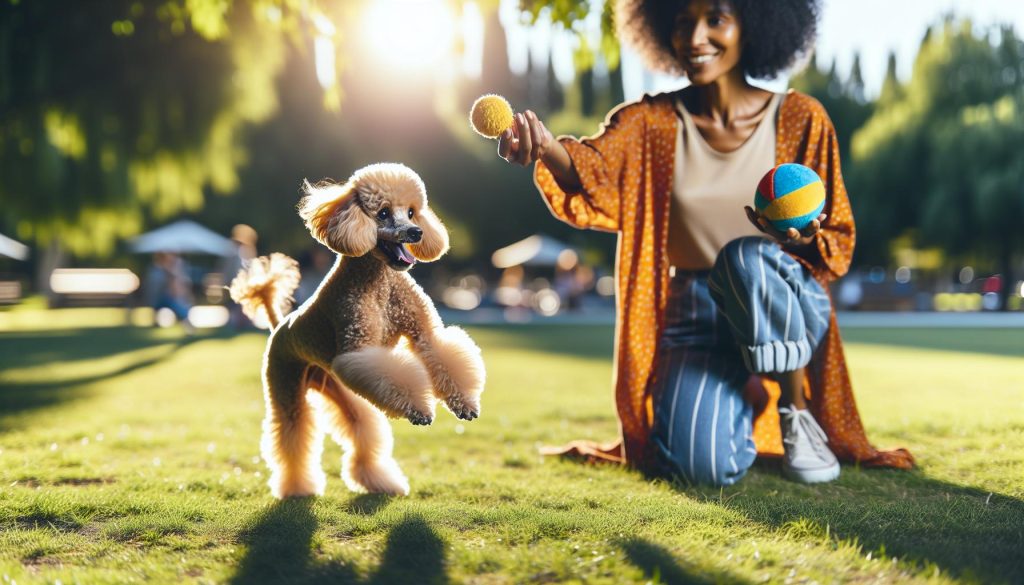
Did you know that Miniature Poodles were originally bred as water retrievers? These charming little dogs were designed not just for their adorable looks but also for a purpose: assisting hunters in retrieving game from water. Understanding what Miniature Poodles were bred for can help you appreciate their traits and nurture their natural instincts. Whether you’re a long-time poodle enthusiast or considering bringing one into your home, it’s essential to recognize that these clever, energetic pups have a rich heritage that influences their behavior and needs today. By exploring their origins, you’ll discover valuable insights into training, exercise requirements, and how to provide an enriching life that honors their purpose. Let’s dive deeper into the fascinating world of Miniature Poodles and uncover how to best meet their unique needs as beloved companions!
What Makes Miniature Poodles Unique?
Miniature Poodles stand out in the canine world for their remarkable combination of intelligence, versatility, and vibrant personality, making them one of the most beloved small breeds. Originally bred in France for water retrieval, these agile dogs possess qualities that transcend their compact size. Their playful demeanor and affectionate nature endear them to families, singles, and seniors alike, fostering strong emotional bonds that emphasize their role as more than just pets-they’re companions and family members.
One of the defining traits that make Miniature Poodles unique is their high intelligence and trainability. They rank among the top breeds for intelligence, easily mastering commands and tricks, which makes them a favorite for both the individual and competitive training. Their desire to please can lead to impressive skills in obedience, agility, and even trick performance, making every training session a rewarding experience.
Moreover, Miniature Poodles are incredibly versatile. Their small stature allows them to thrive in various living environments, from bustling apartments to spacious homes. While they do require regular exercise to burn off energy, their playful nature means they can adapt their playtime to suit their surroundings, making them the perfect companion for active families or those who prefer a quieter lifestyle.
In terms of socialization, these dogs are often confident and outgoing, which enhances their interactions with people and other pets. They thrive on human companionship and are known to be friendly and engaging, inviting their owners into every moment of their lives. This unique blend of intelligence, adaptability, and charm solidifies Miniature Poodles as exceptional companions, renowned for their loyalty and affection. Whether they’re engaging in play, learning new skills, or simply curling up on the couch, they bring an engaging energy and warmth to any household.
The History Behind Miniature Poodle Breeding
The Miniature Poodle has a fascinating history that showcases its unique beginnings and the evolution of its purpose over the years. Originally, Poodles were bred in Germany as water retrievers, and the term “Poodle” itself is derived from the German word “Pudel,” meaning “to splash in water.” While they were developed for their keen ability to fetch waterfowl, it wasn’t long before their charm and intelligence caught the attention of dog owners across Europe, leading to the creation of the Miniature variant.
The Miniature Poodle emerged when breeders sought to develop a smaller version of the Standard Poodle. This breed was particularly appealing to those living in urban settings, where space for a large breed might be limited. To achieve this, select breeding practices focused on size while retaining the quintessential traits of the Poodle-such as intelligence, playfulness, and a hypoallergenic coat. By the late 19th century, the Miniature Poodle had cemented its place as a fashionable companion dog in Paris, and its reputation spread throughout Europe and beyond.
Throughout their history, Miniature Poodles have been adored not only for their looks but also for their versatility. They were often showcased in circuses and performances due to their ability to learn complicated tricks and routines quickly, making them entertainers as well as companions. Their small size allowed them to thrive in a range of environments, enabling them to adapt easily to the lifestyles of urban dwellers.
As you consider welcoming a Miniature Poodle into your home, it’s essential to appreciate this rich history. Understanding their origins can enhance your bond with the breed and guide you in fulfilling their needs for companionship, exercise, and mental stimulation. They are not just pets; they continue to embody a legacy of intelligence and adaptability that makes them one of the most cherished companion animals today.
Primary Purposes of Miniature Poodles

Miniature Poodles may be small in stature, but their purposes are vast and varied, making them beloved companions around the world. Originally bred as a smaller version of the Standard Poodle, these dogs were not just created for companionship, but were also developed to fulfill multiple roles that showcase their intelligence, agility, and versatility. Enthusiastic and eager to please, Miniature Poodles thrive on interaction and mental stimulation, which is why they have become cherished family pets and exceptional working dogs.
One of the is to serve as companion animals. Their affectionate nature and strong bond with their human families make them excellent choices for those seeking a loyal and interactive pet. Miniature Poodles are social beings who thrive on companionship, be it with humans or other pets, and their playful demeanor brings joy to households. Additionally, their hypoallergenic coat makes them particularly suitable for families who suffer from allergies, allowing more people to enjoy the benefits of dog ownership.
Beyond companionship, Miniature Poodles shine in various dog sports and activities. Their agility, intelligence, and trainability enable them to excel in obedience, rally, and agility competitions. Many owners find great joy in participating in training sessions and competitions with their Miniature Poodles, fostering a deep bond built on teamwork. Furthermore, their innate willingness to learn makes them outstanding candidates for therapy and assistance roles, as they are calm and attentive, providing comfort and support to those in need.
For families considering a Miniature Poodle, it’s important to understand that these dogs need regular engagement, both mentally and physically. Daily walks, interactive play sessions, and training activities should be part of their routine to keep them healthy and happy. As they thrive in environments filled with interaction, providing them with various toys, activities, and socialization opportunities will ensure they remain content companions, living up to the legacy of their breed.
Physical Characteristics and Traits Explained

Miniature Poodles are captivating not just for their charming personalities but also for their unique physical characteristics. One of the most notable features is their curly, low-shedding coat, which comes in a variety of colors including black, white, apricot, and gray. This distinctive fur is not only aesthetically pleasing but also serves a practical purpose: it’s hypoallergenic, making them a popular choice for families with allergy sufferers. The texture of their coat requires regular grooming, which bonds owners and pets alike during grooming sessions and keeps the fur healthy and free from mats.
Aside from their beautiful coats, these dogs are known for their well-proportioned bodies, typically standing between 10 to 15 inches tall and weighing around 15 to 17 pounds. Their sturdy build allows for a surprising amount of athleticism; they are agile and capable of impressive jumps and tricks. The Miniature Poodle’s expressive face, complete with dark, intelligent eyes and a well-defined snout, contribute to their overall charming appearance. Their ears, which hang long and are covered in curls, also add to their endearing look while serving a functional purpose by providing excellent hearing.
In terms of temperament, Miniature Poodles are often described as highly intelligent, eager to please, and sociable. These traits are intertwined with their physical characteristics, enabling them to excel in various roles beyond that of a mere companion. Their keen ability to learn commands and tricks quickly makes them not only delightful pets but also stars in dog sports and therapy work. Engaging in these activities isn’t just a job for them; it’s an expression of their physical capabilities combined with their desire for mental stimulation and human interaction.
For prospective owners, understanding these traits is crucial for effective training and care. Miniature Poodles thrive in environments that promote activity and challenge their minds, which speaks to the importance of regular exercise and engaging play. From agility courses to obedience training, the combination of their physical prowess and stunning looks makes them not just pets but true companions who grow alongside their families. With proper care and attention, these delightful dogs will bring joy, companionship, and a splash of elegance to any home.
Miniature Poodles as Companions: The Family Dog

Miniature Poodles are often hailed as the quintessential family dog, not just for their adorable appearance, but for their remarkable ability to connect with family members of all ages. Their affectionate and playful nature makes them natural companions, capable of bringing an abundance of joy and laughter into any household. In fact, these intelligent dogs possess a remarkable emotional sensitivity that allows them to bond deeply with their human counterparts, enhancing the family dynamic in profound ways.
One of the standout qualities of Miniature Poodles is their playful yet gentle temperament. They thrive on interaction and enjoy participating in family activities, whether it’s playing fetch in the yard, going for walks, or simply cuddling on the couch. This desire for companionship means they are particularly well-suited for families who can dedicate time to engage with them. Their social nature encourages meaningful connections, making them excellent choices for homes with children. Miniature Poodles are usually patient, tolerant, and protective, behaviors that can help emotionally nurture kids as they grow.
To ensure that your Miniature Poodle thrives as part of the family, consider the following tips:
- Regular Exercise: Although they are small, Miniature Poodles are energetic and require daily physical activity. Engage them in brisk walks, playtime, or agility training to keep them healthy and mentally stimulated.
- Training and socialization: Start training early using positive reinforcement techniques, which help them become well-mannered companions. Expose them to various environments, people, and other animals to enhance their social skills.
- Consistent grooming: Their curly coats require regular grooming to prevent matting and to keep them looking their best. This routine also provides an opportunity for bonding.
- Quality time: Miniature Poodles thrive on interaction, so prioritize spending quality time with your furry friend. Activities such as puzzle toys or training tricks can significantly enrich their lives.
In conclusion, the Miniature Poodle’s unique combination of intelligence, affectionate nature, and playful spirit makes them an ideal family dog. By understanding their needs and embracing their personalities, families can ensure that these delightful companions remain a cherished part of their lives for many years to come. With the right care and commitment, a Miniature Poodle can become a loving and loyal member of any family, filling homes with laughter and companionship.
The Role of Miniature Poodles in Dog Sports
These energetic and intelligent dogs are not only fantastic companions but are also remarkable athletes in various dog sports. Miniature Poodles excel in agility, obedience, and even dock diving competitions, showcasing their versatility and eagerness to please. The combination of their nimbleness and trainability makes them ideal candidates for these activities, allowing them to shine and enjoy physical exertion.
One of the key aspects that set Miniature Poodles apart in the world of dog sports is their incredible adaptability and love for learning. Whether racing through an obstacle course, responding to complex commands, or performing dazzling tricks, these dogs are quick to catch on and often revel in the challenge. Many owners find that engaging their Miniature Poodle in sports enhances their bond, as the dog not only gets essential exercise but also enjoys stimulating mental challenges. Training sessions that lead to competitions can create lasting memories and deepen the relationship between pet and owner.
Getting started in dog sports can be straightforward and fun. Whether you opt for agility or obedience trials, here are some tips to keep in mind:
- Start Early: Introduce your Miniature Poodle to training and activities as a puppy. This early exposure lays the groundwork for a confident competitor.
- Positive Reinforcement: Utilize treats, toys, and verbal praise to motivate your Poodle during training. This method encourages them to learn enthusiastically.
- Find a Community: Joining a local dog sports club or class can offer support and camaraderie. You’ll gain valuable insights from experienced handlers and their Poodles.
- Keep it Fun: Always remember to keep training sessions light and enjoyable. If your Miniature Poodle isn’t having fun, they may lose interest. Mix training with playtime!
As you explore the world of dog sports with your Miniature Poodle, you may be surprised by how much joy and satisfaction not only your dog but also you can experience. Participating in sports will not only showcase your Poodle’s talents but also foster a deeper understanding and appreciation for your furry friend. So grab some treats, a willing spirit, and let the adventures begin!
How Miniature Poodles Excel in Therapy Work
Miniature Poodles possess a unique set of traits that make them exceptional therapy dogs. Their friendly demeanor, intelligence, and adaptability allow them to thrive in various therapeutic settings, from hospitals to nursing homes. These dogs have a remarkable ability to connect with people, often sensing when someone is in need of companionship or comfort. Their natural charm and gentle nature make them perfect for providing emotional support, especially to individuals dealing with stress, anxiety, or loneliness.
One of the key attributes of Miniature Poodles is their high level of intelligence, which facilitates quick learning and responding to training. This skill set is invaluable in therapy work, where the ability to follow commands and behave appropriately in different environments can significantly enhance the therapeutic experience. Many organizations train Miniature Poodles specifically to assist therapy professionals, showcasing their adaptability in stress-inducing situations. Their friendly and non-aggressive temperament allows them to engage with individuals of all ages, from children needing comfort during procedures to elderly residents in care homes seeking companionship.
For potential therapy dog handlers, there are a few essential pointers to consider if you wish to involve your Miniature Poodle in therapeutic work:
- Early Socialization: Expose your dog to various environments and people from a young age. This experience will help them remain calm and confident in diverse situations.
- Specialized Training: Consider enrolling your Miniature Poodle in therapy dog training programs to ensure they learn the specific behaviors and commands needed in therapeutic settings.
- Regular Assessments: Stay updated with your dog’s temperament and health, as these factors significantly impact their ability to work effectively as a therapy dog.
- Volunteering Opportunities: Once trained and evaluated, contact local hospitals, schools, or therapy centers that welcome therapy animals to establish a volunteer program.
Engaging your Miniature Poodle in therapy work not only benefits those they assist but can also be a rewarding experience for dog owners. The bond formed through shared experiences in therapeutic settings can enhance your relationship with your Poodle while making a profound impact on the lives of others. By understanding their unique capabilities and providing the necessary training, you can help these remarkable dogs make a difference, one wagging tail at a time.
Caring for Your Miniature Poodle: Essential Tips
A well-cared-for Miniature Poodle not only thrives in a loving environment but also exhibits the playful energy and intelligence that this breed is known for. These lively companions were originally bred as versatile performers, often used in water retrieval and as skilled entertainers. To ensure they lead fulfilling lives, it’s essential to provide proper care tailored to their unique needs.
To start, focus on a balanced diet that supports your Miniature Poodle’s energy and health. Opt for high-quality dog food that’s appropriate for their age, size, and activity level. Unlike larger breeds, Miniature Poodles can gain weight easily, which can lead to health issues. Therefore, regular portion control is vital. Consult your veterinarian for specific recommendations suited to your dog’s needs.
Routine Exercise
Daily exercise is crucial for keeping your Miniature Poodle fit and mentally stimulated. Engage in activities that challenge them physically and mentally, such as interactive games or obedience training. A couple of brisk walks each day, coupled with some playtime, can significantly contribute to their overall well-being. Since Miniature Poodles are intelligent, incorporating puzzle toys and training sessions can help keep boredom at bay and prevent destructive behaviors.
Grooming Essentials
Grooming is another significant aspect of care for this breed, particularly due to their curly coats that require regular attention. Brush their fur several times a week to prevent matting and reduce loose hair in your home. Batching this grooming into a routine not only keeps their coat healthy but also gives you an opportunity for bonding. A trip to a professional groomer every few months is also advisable to maintain their appearance and health.
In addition to grooming, don’t overlook the importance of socialization. Miniature Poodles thrive on interaction with people and other animals. Expose your pup to various environments, sounds, and experiences from a young age. This helps develop confidence and adaptability, traits that make them exceptional companions and therapy dogs.
Finally, maintain regular veterinary check-ups to monitor your Miniature Poodle’s health. Keeping vaccinations up to date and managing preventive care will help ensure they lead a long, happy life. By integrating these practices into your routine, you’re not only honoring their heritage as lively and service-oriented dogs but also enriching the bond you share with your Miniature Poodle-a true source of joy and companionship.
Grooming Needs for Miniature Poodles
A Miniature Poodle’s luxurious, curly coat is not just a hallmark of the breed’s elegance; it also plays a crucial role in their overall care. These adorable companions may stand at only 10 to 15 inches tall, but their grooming needs can be quite substantial. Given their hypoallergenic fur, which doesn’t shed like traditional dog hair, grooming routines are critical for maintaining both their coat’s condition and the health of your home.
To start, regular brushing is essential. Aim for at least three times a week to prevent mats and tangles. The curls of a Miniature Poodle are beautiful but can easily become entwined, leading to uncomfortable knots. Using a slicker brush allows for effective detangling, while a comb can help you navigate through those tricky areas around their ears and tail. Establishing a grooming schedule early on can create a positive experience for your pup and develop trust between you.
Bathing and Professional Grooming
Bathing should be done every four to six weeks, using a gentle, dog-safe shampoo. With their naturally oily skin, over-bathing can strip essential oils and lead to dryness or irritation. After a bath, it’s essential to dry your Miniature Poodle thoroughly, as dampness can lead to skin issues. Many Miniature Poodle owners opt for professional grooming every couple of months to ensure their dog’s coat is styled correctly. A professional groomer can provide a “puppy cut” or “lion cut,” depending on your preference, while also addressing any underlying issues that may not be evident to an untrained eye.
Ear Care and Nail Trimming
Don’t overlook other grooming essentials, such as ear care and nail trimming. Miniature Poodles are prone to ear infections due to their floppy ears, so regular checks and cleaning are vital. Use a vet-recommended ear cleaner to keep their ears free from wax buildup and dirt. Nail trimming should occur every two to four weeks; you can either do this at home or rely on your groomer. Keeping their nails short helps prevent discomfort and encourages healthy paw function.
In summary, regular grooming is not just about aesthetics for Miniature Poodles; it’s a fundamental aspect of their health and well-being. By incorporating these practices into your routine, you’re not only enhancing their appearance but also forging a deeper bond with your furry friend. The time spent during grooming provides invaluable moments for connection and trust, making it a rewarding experience for both you and your Miniature Poodle.
Intelligence and Training: Why Poodles Stand Out
Miniature Poodles are not just adorable companions; they also rank among the most intelligent dog breeds, a trait that sets them apart in the canine world. These dogs were originally bred for various purposes, including hunting and performing in circuses, which required not only physical grace but also heightened cognitive abilities. Their keen intelligence makes them remarkably trainable and eager to learn, allowing them to excel in various activities, from obedience to agility and even scent work.
The learning prowess of Miniature Poodles stems from their desire to please their owners, paired with their innate curiosity. This combination leads to a breed that thrives in training environments where positive reinforcement is employed. Simple commands can often be learned in just a few repetitions, and many Miniature Poodles enjoy showing off their new skills. This eagerness to train can be enhanced by consistently incorporating structure into their routines, which provides them with mental stimulation and sets a clear framework within which they can flourish.
To maximize their potential, it’s beneficial to introduce Miniature Poodles to training classes early in life. These classes not only reinforce basic commands but also expose them to various environments, socialization with other dogs, and new experiences. However, even experienced handlers should remember that keeping training sessions short and engaging is vital. Utilizing interactive toys that challenge their intellect can serve as a great supplement to traditional training. Here’s a quick breakdown of effective training tips:
- Short Sessions: Aim for 5-10 minute training intervals to maintain focus.
- Positive Reinforcement: Use treats, praise, or toys to reward successful behaviors immediately.
- Variety is Key: Incorporate different commands and activities to prevent boredom.
- Socialization: Ensure regular interactions with other dogs and people to enhance their adaptability.
In addition to agility and obedience, many Miniature Poodles also shine in therapy and service roles due to their intelligence and affectionate nature. Their nimble bodies and warm demeanor enable them to provide comfort in various settings, from hospitals to assisted living facilities. Overall, their intelligence, coupled with their steadfast desire to connect with humans, makes Miniature Poodles not just unique companions but also capable partners in numerous pursuits. By leveraging their strengths in training and engagement, owners can nurture not only well-behaved pets but also incredible helpers and loving family members.
Common Health Concerns for Miniature Poodles
Miniature Poodles, while celebrated for their intelligence and versatility, also come with a unique set of health concerns that owners should be aware of to ensure their furry companions lead healthy, happy lives. One significant issue is their predisposition to specific hereditary conditions. For instance, Miniature Poodles are prone to hip dysplasia, which can lead to arthritis and pain. Regular veterinary check-ups and maintaining a healthy weight can help mitigate these risks.
Another common concern in Miniature Poodles is eye conditions, particularly Progressive Retinal Atrophy (PRA), which can lead to blindness. This condition can go unnoticed until significant damage has occurred. Regular eye examinations by a veterinarian familiar with the breed can help in early detection, ensuring timely intervention and management.
Additionally, Miniature Poodles are susceptible to skin issues. Their curly coats, while adorable, can trap moisture and dirt, leading to problems like allergies and infections. To combat this, regular grooming and baths with appropriate dog shampoos are essential to maintain skin health. Owners should also be observant for any signs of itching or skin irritation, as early treatment is often more effective.
Finally, dental health is particularly crucial for Miniature Poodles. Their smaller mouths can lead to overcrowding and a higher risk of periodontal disease. Regular dental check-ups, along with at-home dental care practices such as brushing their teeth or providing dental chews, can help keep their teeth and gums healthy.
In summary, being proactive about Miniature Poodles’ health can significantly enhance their quality of life. Routine veterinary care, attentive home grooming, and an understanding of breed-specific health concerns will empower owners to provide the best possible care for their cherished companions.
Exploring Miniature Poodle Variations and Mixes
Miniature Poodles are not only adored for their charming personalities and intelligence but also for their fascinating array of variations and mixes. This breed originated in Germany before becoming popular in France, where they were initially bred as water retrievers. Over time, the Miniature Poodle was refined, making them well-suited to various purposes, including companionship and performance in dog sports. Their versatility has led to an exciting mix of combined breeds, creating unique hybrids that carry the best traits of both.
One of the most popular mixes involving Miniature Poodles is the Cockapoo, a delightful cross between a Cocker Spaniel and a Poodle. Cockapoos typically inherit the Poodle’s hypoallergenic coat and the Cocker Spaniel’s friendly demeanor, resulting in a sociable and affectionate family dog. Another beloved hybrid is the Maltipoo, which combines a Maltese with a Miniature Poodle. This mix tends to be particularly small and fluffy, boasting a playful spirit and an aptitude for training, making them ideal companions for both families and singles alike.
When exploring variations, it’s important to consider the size and coat type variations as well. Miniature Poodles generally come in various colors, including cream, apricot, black, and blue, each possessing a unique texture that may mix differently with other breeds. The resulting puppies can exhibit a wide range of physical characteristics, making each one special. Potential owners should research and meet both parent breeds to better understand the likely temperament and health needs of the pup they may choose.
Integrating these adorable mixes into your home can be immensely rewarding, but it also comes with responsibilities. Ensure that you implement proper socialization and training practices early on to nurture their intelligence and eagerness to please. Regular grooming is crucial to maintain the health of their coats, particularly for those with curly fur, which tends to mat more easily. By fully committing to your Miniature Poodle mix’s care and training, you’ll foster a loving bond and enjoy a wonderful companion for years to come.
Key Considerations for Miniature Poodle Mixes
- Temperament: Each mix can bring unique personality traits based on the parent breeds.
- Health: Be vigilant about breed-specific health issues and ensure regular vet check-ups.
- Training: Start socialization and training early to harness their intelligence effectively.
- Grooming: Consistent grooming helps to prevent matting and maintain coat health.
Embracing the variations and mixes of Miniature Poodles allows you to find a companion that not only fits your lifestyle but also brings joy and warmth into your home.
FAQ
Q: What are the original purposes of Miniature Poodles?
A: Miniature Poodles were originally bred as water retrievers for hunters. Their agility, intelligence, and ability to swim made them ideal for fetching game from water. They also served as performing dogs in circuses due to their trainability and charm.
Q: Are Miniature Poodles good family pets?
A: Yes, Miniature Poodles are excellent family pets. They are known for their friendly and affectionate nature, making them great companions for both children and adults. Their intelligence facilitates easy training, which is beneficial for family interactions.
Q: How do Miniature Poodles compare to Standard Poodles in purpose?
A: While both Miniature and Standard Poodles share a lineage of retrieving and performing, Miniature Poodles are primarily bred for companionship and agility sports. In contrast, Standard Poodles were developed for larger game retrieval, showcasing different sizes and energy levels.
Q: Why were Miniature Poodles used in the circus?
A: Miniature Poodles were popular in circuses due to their high intelligence and eagerness to please. Their ability to learn tricks quickly and perform in front of audiences made them ideal for entertainment, showcasing their agility and charm.
Q: What activities can Miniature Poodles excel in?
A: Miniature Poodles excel in a variety of activities, including obedience training, agility competitions, and therapy work. Their intelligence and trainability allow them to perform well in dog sports and provide comfort as therapy animals.
Q: How do Miniature Poodles fit into urban living?
A: Miniature Poodles are ideal for urban living due to their small size and moderate exercise needs. They adapt well to apartment living and require regular walks and playtime, making them suitable companions for city dwellers.
Q: What are the grooming needs for Miniature Poodles?
A: Miniature Poodles require regular grooming to maintain their coat and prevent matting. Weekly brushing and professional grooming every 4-6 weeks are recommended. This not only keeps their appearance neat but also supports their overall skin health.
Q: How does training differ for Miniature Poodles versus other small dog breeds?
A: Training Miniature Poodles is often easier than with many other small breeds due to their high intelligence and eagerness to learn. Using positive reinforcement methods can yield effective results, making training sessions enjoyable for both the dog and owner.
For more insights on caring for Miniature Poodles, check out our section on “Caring for Your Miniature Poodle: Essential Tips” and discover training strategies in “Intelligence and Training: Why Poodles Stand Out.”
Final Thoughts
As we’ve explored, Miniature Poodles were originally bred for specific purposes that showcase their intelligence and adaptability. Whether you’re considering bringing one into your home or simply wish to learn more, it’s clear that these small dogs pack a big personality and a strong desire to please. If you’re intrigued by the breed’s purpose and unique traits, don’t miss our comprehensive guides on “Miniature Poodle Training Tips” and “Choosing the Right Dog Food for Miniature Poodles.”
Now’s the perfect time to dive deeper into the world of Miniature Poodles and enhance your knowledge! Subscribe to our newsletter for expert advice delivered straight to your inbox or check out our community forum where fellow dog lovers share their experiences. Let your journey begin, and remember, every action you take brings you one step closer to being the best pet parent you can be. Join us and explore the joy of sharing your life with a Miniature Poodle!