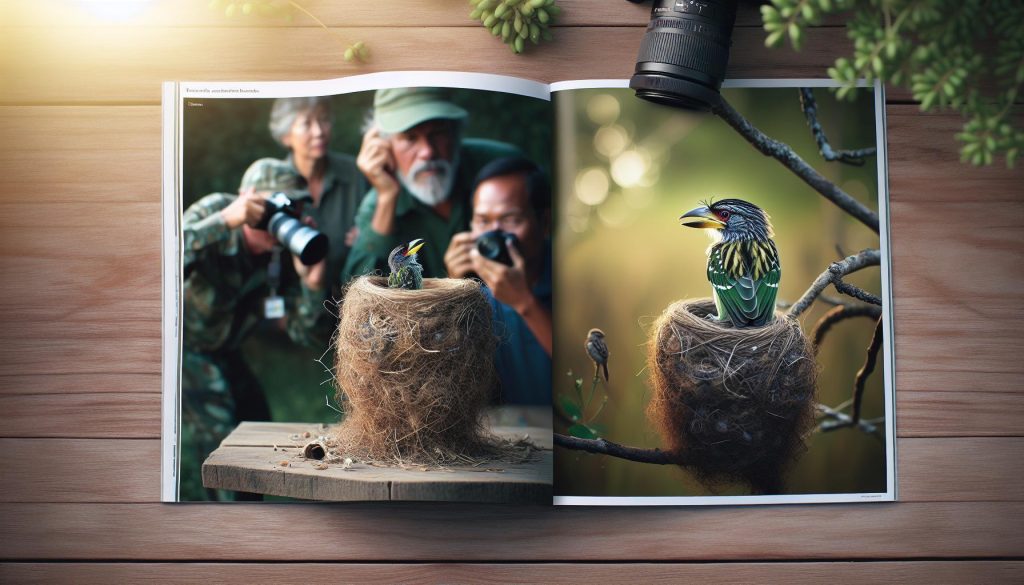
Did you know that the Barbet is not only a charming companion but also has fascinating breeding habits? As a dog owner or enthusiast, understanding when and where a Barbet makes its nest is crucial for nurturing both their health and temperament. This incredible breed, known for its unique curly coat and playful nature, has distinct nesting behaviors that reflect its history as a waterfowl retriever. By exploring these insights, you’ll gain valuable knowledge that can enhance your connection with your Barbet, ensuring you provide the right environment for them to thrive. Delve into the breeding practices of this remarkable dog and discover how their nesting preferences can inform better care and companionship for your furry friend. Curious to learn more? Let’s dive in!
When Do Barbets Start Breeding? Timing Factors to Consider
Breeding Barbets can be a rewarding experience, especially when you understand the right timing for their breeding cycles. Typically, Barbets reach sexual maturity between 12 to 18 months of age. However, it’s crucial to ensure that the dog is physically and emotionally ready for breeding; waiting until they are at least two years old is often best for the health of both the mother and the puppies. During this period, it’s important to monitor their health, growth, and temperament to assess readiness.
Timing can also vary with seasonal changes. Barbets are known to cycle about twice a year, often linked to environmental factors such as daylight hours and temperature. This natural cycle influences their estrous periods, during which a female Barbet will be open to mating. It’s essential to keep an eye on signs of heat, which can include swelling of the vulva, behavioral changes, and increased affection. These are indicators that a female is ready for mating, making it vital to have a plan in place for breeding during this window.
In addition, the health of both prospective parents plays a crucial role in breeding success. Before initiating the breeding process, it’s advisable to conduct health screenings for inherited conditions, as Barbets can be prone to certain genetic issues. Seeking advice from a veterinarian and ensuring that both dogs are in peak health will not only help with successful mating but also contribute to the well-being of the future puppies.
In summary, aim to breed your Barbet after they reach full maturity, monitor their seasonal cycles closely, and prioritize their health to ensure a successful breeding experience. With the right preparation and attention to timing, you’ll be setting the stage for a thriving lineage of this loving and energetic breed.
Where Do Barbets Prefer to Nest? Ideal Locations Explored
Barbets are incredibly versatile and resourceful when it comes to nesting, which reflects their natural instincts as hunting and water dogs. These magnificent animals prefer to nest in locations that offer safety and comfort while allowing them the opportunity to care for their new litter effectively. Whether you’re guided by curiosity or planning for a breeding experience, understanding where Barbets prefer to make their nests can empower you as a caretaker and breeder.
Typically, Barbets gravitate towards cozy, sheltered areas that provide a sense of security. They often choose spots that are slightly elevated or well-hidden from potential threats, such as predators. Think of areas that simulate the natural environments they would select in the wild, such as densely vegetated corners in yards or purpose-built nesting boxes in your home. If you’re planning a breeding setup, consider providing a quiet, warm area free from drafts, as well as privacy from foot traffic and noise. Many successful breeders opt for enclosed spaces filled with soft bedding, allowing the mother to feel safe and comfortable while bonding with her puppies.
As a warm and nurturing breed, Barbets thrive in an environment where they can closely monitor their young. If you’re creating a breeding area specifically for this purpose, make sure the surroundings are free from disturbances and equipped with easy access to food, water, and necessary supplies. Keeping the nesting area clean and maintaining a calm atmosphere can also encourage the mother dog to settle in and focus on raising her puppies without unnecessary stress.
For those considering breeding, it’s a good idea to observe your Barbet’s nesting choices closely. By recognizing their preferences, you can make adjustments that will optimize their environment. This not only promotes healthier puppies but also enhances the mother’s experience, leading to a successfully nurtured litter. Ultimately, facilitating a comfortable and secure nesting area will support both the emotional well-being of the mother and the physical health of her young, setting the stage for a thriving start to their lives.
Creating the Perfect Nest: Materials & Environment Needed
Creating the perfect nesting space for a Barbet is not just about having a location; it’s about curating an environment that fosters comfort, safety, and maternal bonding. With their strong instincts and nurturing spirit, Barbets thrive in surroundings that mimic their natural preferences. When preparing a nest, aim for an area that is not only sheltered but also warm and inviting. Think of spaces where the mother can feel secure-away from the hustle and bustle of daily life, adorned with plenty of soft materials for comfort.
Essential Materials for a Cozy Nest
In terms of materials, consider providing a soft, clean bedding area that allows the mother to rest and roll comfortably. Popular choices include:
- Fleece blankets: These are warm and easy to wash, making them ideal for maintaining hygiene.
- Hay or straw: If placed correctly, these can mimic the natural environment while offering insulation.
- Pillows or cushions: Ensure they are free of small parts that could be a choking hazard.
Additionally, incorporate a nesting box where the mother can retreat to give birth. This box should have high sides to keep the puppies safe and contained. As the puppies grow, they’ll benefit from the stability of the nesting box, allowing for easy navigation while still encouraging exploration.
Creating a Secure Environment
In conjunction with materials, the environment surrounding the nest requires thoughtful consideration. Choose a location that is quiet and relatively secluded. A corner of a room or a dedicated, padded area in a garage can serve well if it is kept clean and well-ventilated. It’s crucial to minimize foot traffic and noise levels; loud sounds can stress the mother and disturb the puppies. A calm atmosphere significantly improves the chances of a relaxing breeding environment.
Ensure that the area is free from drafts and has controlled temperatures; a consistent, warm environment will aid in the overall well-being of the mother and her young. Keep the nesting space stocked with easy access to food and water, as the mother will need these essentials within reach for energy and hydration during the demands of puppy care.
Ultimately, taking the time to create a nurturing environment for a Barbet to nest can lead to healthier puppies and a more relaxed, confident mother. With the right materials and careful attention to the nesting space, you’ll establish a safe haven that supports the cycle of life and strengthens the bond between the mother and her puppies, laying the groundwork for a thriving early life.
Understanding Barbet Nesting Behaviors: Patterns and Practices
The Barbet, known for its affectionate nature and intelligence, displays fascinating nesting behaviors that are essential for new and seasoned breeders to understand. When the breeding season arrives, these dogs exhibit a few key patterns that reflect their innate instincts and nurturing characteristics. Barbets are not only attentive when it comes time to create a nest; they also engage in behaviors that promote bonding with their surroundings and their puppies. Recognizing these behaviors can help caretakers provide the best environment possible for both mother and her pups.
One notable aspect of Barbet nesting behavior is the mother’s instinct to prepare a safe and comfortable space. In the wild, a Barbet would seek out secluded spots, often near water, to ensure the safety and security of her litter. She may dig or rearrange bedding materials to create a cozy nest. For breeders, observing this behavior can provide insights into how to facilitate nesting at home. Offering a quiet, low-traffic area, with items like soft bedding and a nesting box, mimics the natural settings Barbets prefer.
Additionally, Barbets tend to be very gentle and nurturing. They often exhibit behaviors that show they are aware of their puppies’ needs, responding promptly to any cries. This attentiveness helps solidify the bond between the mother and her young. Creating a routine that includes regular check-ins can help ensure that the mother remains calm and her puppies thrive. When breeding, it is also crucial to minimize stress by maintaining a stable environment free from loud noises or sudden disruptions, which can alter the natural nurturing dynamics.
Ultimately, understanding these patterns and practices of Barbet nesting behavior fosters a healthier and more supportive environment for the entire family unit. By respecting their needs while providing a loving atmosphere, breeders can ensure that the mother and her pups are set up for a successful start together. Through careful observation and a willingness to adapt to the natural instincts of these remarkable dogs, you will not only aid in the breeding process but also enrich the overall experience for both the dogs and their human partners.
Caring for Barbet Eggs: Incubation and Protection Tips
Caring for Barbet eggs is a vital aspect of ensuring the success of the breeding process. When the female has laid her eggs, the focus shifts to their incubation and protection, which are essential for the healthy development of the chicks. Barbets, being instinctual nurturers, typically require minimal interference, but understanding how to support this natural process significantly enhances outcomes.
To foster a supportive environment for incubation, it’s important to maintain the right temperature and humidity levels. Ideally, the incubation temperature should be around 99-100°F (37-38°C), complemented by a relative humidity of approximately 40-50%. Utilizing a reliable incubator or ensuring that the nesting area mimics these conditions can make a meaningful difference. It’s best to avoid frequently opening the nest to maintain a consistent climate, which helps keep the eggs viable.
Protection is also critical for the eggs’ survival. Barbets naturally choose nesting sites that are secluded and safe from predators. As a breeder, creating a similar sanctuary is crucial. Here are some practical tips:
- Choose a Quiet Location: Ensure that the nesting area is low-traffic and away from loud noises or sudden movements that could disturb the mother and her eggs.
- Secure the Nest: Use a sturdy, well-structured nesting box that shields the eggs from external threats, including pets and other animals.
- Monitor Health: Keep an eye on the mother’s well-being. A stressed or unwell mother can affect the incubation process. Ensure she has adequate food and water.
During this time, keep a close watch on the mother’s behavior. If she seems to be abandoning her nest frequently or not maintaining warmth, it may indicate stress or health concerns. Providing a comfortable space can help alleviate any anxiety she might experience. Remember, fostering a calm environment often promotes better nurturing behaviors, enhancing both egg protection and eventual chick development.
In summary, careful attention to the incubation conditions and protection of Barbet eggs contributes to the successful hatching of healthy chicks. By following these guidelines and creating a nurturing space for both the mother and her eggs, you increase the likelihood of a thriving next generation of these wonderful dogs.
Raising Barbet Chicks: Developmental Stages Explained
Watching Barbet chicks grow is not only a delightful experience but also a crucial phase in their development that requires attentive care. From the moment they hatch, these fluffy little beings embark on a remarkable journey of growth that spans several stages, each with its own unique needs and characteristics.
The first stage is the Neonatal Phase (Days 0-7). Newly hatched chicks are entirely dependent on their mother. During this time, they are blind, featherless, and rely on their mother’s warmth and nutrition. The mother will instinctively keep them close, providing a warm, secure environment. It’s vital to monitor the nesting area for consistent temperature, as this stage is critical for their survival. Ensure the mother has access to high-quality food to support her and her pups.
As they transition to the Transitional Phase (Days 8-14), the chicks begin to open their eyes and develop a layer of down feathers. This is an exciting time as they start to exhibit curiosity about their surroundings. Providing a safe, clean environment is paramount during this phase. You might notice them moving around a bit more and even practicing the gentle peeps that are characteristic of their breed. Keeping the nesting area quiet and stress-free is important to support their exploration.
Following this, the Juvenile Phase (Days 15-21) marks another significant change. The chicks will begin to develop their social skills and may start to play with one another. During this stage, feed them high-quality puppy formula or soft food, as they will begin transitioning from their mother’s milk. This is a good time to introduce very light socialization, so when they are ready for their new homes, they’ll be well-adjusted and have a friendly disposition.
Finally, entering the Adolescent Phase (Days 22-28) paves the way for their journey into the world. Their outer coats will begin to form, and playful behavior should be encouraged to help develop their physical and social skills. While they will still be relying on their mother, this period is essential for them to learn boundaries and appropriate play behavior. If you are engaging with them during this phase, ensure that you teach them gentle interactions, further preparing them for life with their future families.
In conclusion, the stages of raising Barbet chicks are filled with wondrous developments and significant responsibilities. By understanding and catering to their specific needs at each phase, you can ensure that your Barbet chicks grow into happy and healthy companions ready to explore their new homes and lives. Always remember, the key to nurturing these young pups lies in providing a safe, warm, and engaging environment that encourages their natural instincts and growth.
Challenges in Barbet Nesting: Common Threats and Solutions
It’s no surprise that nesting can be a challenging time for Barbets as these beautiful dogs bring their delightful personalities into the mix, along with the responsibilities of parenthood. One of the most significant challenges faced during the nesting period is predation. Wild animals such as raccoons, opossums, and birds of prey are potential threats to nests, especially when the Barbet is away searching for food or tending to other needs. To mitigate this risk, it’s crucial to select a nesting location that is well-hidden and difficult for predators to access. Consider using areas surrounded by thick vegetation or elevated spaces that offer concealment.
Environmental factors also play a pivotal role in barbet nesting success. Heavy rains can flood the nest or create an undesirable environment, leading to humidity that could affect the eggs or the chicks. To combat this, ensure that the chosen nesting site has adequate drainage and is not in low-lying areas that may accumulate water. Additionally, creating a nesting structure that is slightly elevated can help protect against unexpected weather conditions.
Another challenge lies in maintaining the right temperature and humidity levels within the nest. Too much moisture can lead to mold growth or impede the development of the eggs, while extreme dryness can pose threats to both the eggs and the visiting parent. To create an optimal nesting environment, use natural materials such as dry grasses and feathers that can help regulate temperature and moisture. Regularly check the nest for signs of distress, ensuring that conditions remain supportive for both eggs and chicks.
Lastly, keep in mind that social dynamics can also affect nesting success. If a male is overly aggressive or territorial, it may discourage the female from returning to the nest. Ensuring a harmonious pairing is crucial. It’s worth closely observing their interactions and, if necessary, providing additional space or even separating them temporarily to resolve any skirmishes. Establishing a stress-free environment not only supports the health of the breeding pair but also sets a positive tone for the entire nesting process.
By understanding these challenges and implementing practical solutions, you set the stage for a successful breeding season for your Barbets, allowing their joyful spirit and nurturing instincts to shine through. With a bit of careful planning and attention, you can help ensure that parents and chicks alike thrive during this vital phase of growth.
How Climate Affects Barbet Nesting Habits
When it comes to Barbets and their nesting habits, climate plays a pivotal role in ensuring a successful breeding season. These charming, water-loving dogs originated in France and have been cherished for their playful and affectionate nature. However, to support their nesting activities, a thorough understanding of how weather conditions impact their reproductive success is essential. As you prepare for the breeding season, consider the following factors related to climate that can affect your Barbets’ nesting habits.
Temperature Variations
Barbets thrive best in moderate temperatures, which allow them to maintain comfort while nesting. Too hot or too cold can stress the mother during pregnancy and impact her care of the eggs. It is crucial to monitor the nesting area to ensure it remains sheltered from extreme temperature fluctuations. For instance, providing shaded areas during the hotter months or ensuring adequate insulation during colder periods can significantly improve nesting success.
Humidity Levels
Humidity can dramatically influence the health and development of Barbet eggs. High humidity can create an environment conducive to mold, while excessively dry conditions can result in dehydration of the eggs. When selecting a nesting site, aim for areas with natural airflow and moisture regulation. For example, avoid low-lying ground that may hold moisture especially after rain, and instead consider nesting in slightly elevated areas where drainage is better. Using natural materials such as pine needles and dry grasses can help optimize moisture levels within the nest.
Rainfall and Drainage
Heavy rainfall can pose a significant threat to Barbet nests, potentially flooding or compromising the structural integrity of the nesting site. To mitigate this risk, it is essential to choose locations that have good drainage. A well-drained area will protect the nest from water accumulation and create a healthier environment for both the eggs and the eventual chicks. Additionally, constructing nests in areas with some natural protection, such as under dense bushes, can shield against sudden weather changes.
Seasonal Changes
Understanding the seasonal patterns in your area will also aid in planning the breeding timeline for your Barbets. Most breeding typically occurs in spring or early summer when temperatures are moderate, and food availability increases, providing ample nutrition for the expectant mother. Keeping an eye on seasonal weather forecasts can help you anticipate challenges ahead, allowing for preemptive adjustments to the nesting environment.
By paying close attention to these climate factors, you can create an optimal nesting environment that promotes the health and well-being of both your Barbets and their future offspring. Proper preparation and proactive care can lead not only to successful breeding but also to nurturing a thriving family of Barbets that embodies their spirited and loving nature.
Social Dynamics During Breeding: A Look at Pair Bonding
The bond between a male and female Barbet during the breeding season is a beautiful spectacle of canine companionship and teamwork. These affectionate dogs are known for their sociable and playful nature, which plays a significant role in establishing strong pair bonds before and during nesting. Observing your Barbets during this period can offer insights into their social dynamics and help you support them through the breeding process.
During courtship, male Barbets exhibit charming behaviors that strengthen their bond with potential mates. This may include playful antics, gentle nudging, and a series of affectionate vocalizations, all designed to woo the female. Establishing a solid pair bond is critical, as it ensures cooperation in nesting duties and caring for their young. Expect to see these two working together when it comes to selecting a nesting site. The male often takes the lead in the initial exploration, while the female evaluates the location, marking her preferences with subtle body language.
Once they have chosen a nesting area, the pair will frequently nestle together, sharing warmth and safety as they prepare for the arrival of their pups. This closeness fosters a supportive environment, which can help reduce stress and tension during the gestation period. Not only does this companionship benefit the mother as she carries her eggs, but it also instills confidence in the male to assist in any nurturing tasks ahead of time, such as bringing food and keeping a watchful eye on the nesting area.
For those new to breeding Barbets, it’s essential to observe these social dynamics within the pair. Provide a calm environment that allows your Barbets to feel safe and secure while they bond. You can enhance their connection by engaging in gentle play or offering treats during their courtship, reinforcing the positive interactions they share. Ultimately, a healthy bond between breeding Barbets not only facilitates a smoother nesting experience but also paves the way for attentive and nurturing parenting once the chicks arrive. Cultivating this partnership will ensure that your Barbets thrive as they embark on the rewarding journey of raising their family.
Barbet Breeding Success Stories: Lessons from Enthusiasts
Engaging with fellow Barbet enthusiasts often reveals inspiring stories of successful breeding journeys that highlight the breed’s unique qualities and the deep connections between dogs and their owners. One common lesson from these experiences is the importance of preparation and knowledge before allowing your Barbets to breed. Many successful breeders emphasize understanding the breed’s health requirements, including genetic testing for common issues, to ensure the health of both the parents and the pups. Having a solid plan, including veterinary oversight and maintaining health records, sets the stage for a successful nesting period.
Moreover, several stories underline the benefits of creating a calm and controlled environment during the breeding process. Enthusiasts often recommend establishing a dedicated breeding area that minimizes stress for the dogs. This space should be equipped with cozy bedding and familiar scents to settle them comfortably. For example, a breeder from Ohio shared how their careful setup of a quiet corner with soft lighting and minimal disturbances led to a smoother coupling and nesting experience for their Barbets. This tailored approach not only fostered a sense of security but also encouraged the natural bonding process necessary for effective parenting.
The role of socialization can’t be overlooked either. Experienced breeders frequently underline how interactions with other dogs and people can impact a Barbet’s temperament during nesting. Engaging in regular playdates and social activities helps build their confidence, which translates into better parenting practices. A breeding enthusiast relatably shared that their Barbet, having spent time with other dogs, displayed remarkable nurturing behaviors, instinctively knowing how to care for her pups.
In summary, these anecdotes reflect a blend of proper preparation, a nurturing environment, and socialization that contribute to successful Barbet breeding. By focusing on these elements, both new and seasoned breeders can learn valuable lessons that encourage responsible breeding practices while celebrating the loving nature of this exceptional breed. Engaging with the Barbet community also offers continuous opportunities for sharing insights and successes, enriching the breeding experience further.
Comparative Nesting Insights: Barbets vs. Other Breeds
When comparing the nesting practices of Barbets with those of other dog breeds, it’s fascinating to observe how their unique characteristics influence their reproductive behaviors. Barbets, originally bred as water dogs in France, showcase remarkable instincts that align closely with their environmental needs. Unlike many breeds that may prefer a secluded or elevated nesting location, Barbets are drawn to more active, engaging environments where they feel secure and connected. They thrive in areas that offer a blend of familiarity and comfort, often nesting in spaces that allow them to interact with their surroundings while safeguarding their young.
In contrast, breeds such as the Labrador Retriever, which also originated from water-retrieving backgrounds, tend to exhibit similar nesting tendencies, often preferring areas near water sources. However, Labradors might favor a more traditional den-like nesting space, typically away from disturbances. This subtle variance demonstrates how breed history and instincts shape nesting environments. For instance, a Barbet owner might notice their dog nesting in a cozy corner of a family room, filled with soft blankets and familiar scents, while a Labrador may opt for a quiet cubby or a shed outside where it feels safe yet slightly removed from the commotion of daily life.
### Factors Affecting Nesting Locations
Nest selection is influenced by multiple factors, including:
- Temperament: Barbets are highly social and affectionate, often seeking out familiar, active spaces that include family interaction during the nesting process.
- Environment: The calm yet engaging environments preferred by Barbets contrast with others that might choose more isolated spots, reflecting each breed’s comfort levels.
- Parental Role: Barbets are known for their nurturing instincts; they may require more interaction during the breeding period, prompting them to choose locations where they can balance solitude with family engagement.
### Lessons from Other Breeds
Alongside observing Barbets, it can be instructive to consider contrasts with breeds like the Golden Retriever, which also shares a friendly disposition. Goldens tend to exhibit similar nurturing behaviors but often nest in locations away from high foot traffic, indicating a preference for privacy during those early stages. This nuanced difference highlights the importance of understanding an individual dog’s needs within the framework of breeding.
In summary, while Barbets do share traits with other breeds like Labradors and Golden Retrievers, their unique social nature and historical background as a water dog lead to distinctive nesting choices. This creates exciting opportunities for new owners and breeders to tailor their environments effectively, ensuring comfort, safety, and healthy interactions as they embark on the rewarding journey of breeding their furry companions. Emphasizing these breed-specific tendencies can enhance the overall breeding experience, helping owners create optimal nurturing settings for their beloved dogs.
Expert Tips for Aspiring Barbet Breeders: Best Practices
Aspiring Barbet breeders are in for a rewarding journey, filled with moments of joy, learning, and connection. Understanding how to create a supportive and nurturing environment for your Barbets during breeding is crucial. These affectionate and social dogs thrive on engagement, which means your approach should blend care with a keen sense of timing and space.
To kick off your breeding journey effectively, consider setting up a dedicated nesting area within your home that mirrors the type of environment these dogs naturally gravitate towards. Ensure the space is cozy, quiet, and accessible, yet also allows for interaction with family members. A soft bed lined with familiar textures, like blankets, can help the mother feel at ease. Additionally, provide easy access to necessary resources like food, water, and outdoor areas for bathroom breaks to minimize stress during this critical period.
H3: Timing and Observation
Timing is key when it comes to breeding. Barbets typically reach sexual maturity between six to twelve months, but the best practice is to wait until they are at least two years old for their first litter. This ensures that they are fully developed both physically and emotionally. Monitor your dog closely for behavioral signs of estrus, and consider discussing with your veterinarian about optimal breeding times. Keeping a breeding calendar can help you stay organized and identify the best times for mating.
H3: Nurturing Instincts
Barbets are known for their nurturing instincts, so be prepared for the mother to seek out companionship and reassurance. Create an atmosphere that reassures her she’s safe and supported. Encourage family interaction, but also respect her need for solitude when she desires it. Read her cues closely; this balance of attention and privacy will help in ensuring a smooth breeding process and a strong bond between mom and her pups.
To add even more confidence to your breeding endeavors, gather resources from fellow Barbet owners or breeding communities online. Learning from their experiences can provide practical insights and strategies that can make the entire process more manageable and enjoyable. With the right setup and an attentive approach, you’re on the path to nurturing not just a litter of puppies, but a loving Barbet family that enriches your life and supports the breed’s future.
Frequently asked questions
Q: When do Barbets typically start nesting?
A: Barbets generally start nesting in late spring to early summer when temperatures are milder, and food sources are abundant. The timing can vary based on geographical location. For optimal breeding conditions, ensure your Barbet is healthy and well-fed before this period.
Q: How many eggs do Barbets usually lay in a single clutch?
A: Barbets typically lay between 4 to 6 eggs in a single clutch. These eggs are generally incubated for about 28 days. Prospective breeders should monitor the health of the mother during this period to ensure a successful hatch.
Q: What environment do Barbets prefer for nesting?
A: Barbets prefer to nest in sheltered areas that provide some protection from the elements, such as dense shrubs or tree cavities. It’s crucial to create a calm environment with minimal disturbances to enhance their nesting success.
Q: Can Barbets reuse their nests from previous years?
A: Yes, Barbets may reuse nests from previous years if conditions are favorable. However, it’s essential to clean the nest area thoroughly to prevent parasites or diseases from affecting the new brood.
Q: What type of materials do Barbets use to build their nests?
A: Barbets commonly use natural materials like twigs, leaves, and feathers to construct their nests. As a breeder, providing these materials can encourage your Barbet to create a comfortable nesting area.
Q: How do Barbets respond to disturbances during nesting?
A: Barbets can be sensitive to disturbances during the nesting phase, which may lead to abandoning their eggs. It’s important to minimize human activity near the nesting site during this critical time for the safety of the eggs and chicks.
Q: What are common challenges Barbets face while nesting?
A: Common challenges include predation, poor weather conditions, and habitat destruction. Providing a safe, quiet area for nesting can alleviate some of these threats, ensuring a higher survival rate for the young.
Q: How can I support a Barbet during the breeding process?
A: To support your Barbet during breeding, offer a high-quality diet, a quiet nesting environment, and minimize stressors. Regularly check health and provide necessary veterinary care to enhance breeding success and chick development.
For more details and informative insights on the breeding behaviors of Barbets, consider exploring our dedicated sections on nesting patterns and challenges.
Future Outlook
As you explore the enchanting world of the Barbet and their breeding habits, remember that understanding their nesting behaviors can deepen your bond with this loving companion. With their unique characteristics and the right care, Barbets can thrive in various environments. If you’re considering welcoming one into your home, or if you want to enhance your caring techniques, check out our detailed guide on Barbet grooming tips and nutrition essentials.
Don’t miss out on future insights! Subscribe to our newsletter for expert advice and updates on Barbet care, and join our community to connect with fellow dog enthusiasts. We would love to hear your experiences or questions in the comments below. Whether you’re an experienced handler or a new owner, let’s embark on this rewarding journey together with your Barbet by your side!