Did you know that Standard Poodles are not just one of the most intelligent dog breeds, but they also have a unique growth pattern that can surprise new owners? Understanding when your Standard Poodle stops growing is crucial for ensuring they receive proper care and nutrition. Whether you’re a seasoned handler or a first-time dog owner, knowing the full growth timeline can help you provide the right environment and training during each stage of their development. This journey is about more than just size; it’s about fostering a healthy, happy companion. Join us as we explore the fascinating timeline of your Standard Poodle’s growth, ensuring you’re well-prepared to meet their needs every step of the way.
When Do Standard Poodles Reach Full Size?
Reaching full size is an exciting milestone in a Standard Poodle’s life, marking the transition from a playful pup to a graceful adult. Typically, Standard Poodles reach their full height by around 12 to 18 months of age, but the growth process is a bit nuanced. While most of their growth happens in the first year, it’s essential to recognize that they may continue to fill out and gain muscle mass until they are about two years old. This means that while your Standard Poodle might reach the height of 15 to 24 inches (depending on genetics) by the end of their first year, achieving their ideal weight and body condition can take a few additional months.
Throughout their growth stages, several factors can influence how quickly your Poodle grows. Genetics play a crucial role; larger parent breeds tend to have bigger puppies. Additionally, the nutrition and overall care you provide can significantly affect their growth trajectory. A well-balanced diet rich in essential nutrients fosters healthy development, while overfeeding can lead to excessive weight gain. It’s imperative to monitor their food intake and maintain a consistent feeding schedule aligned with their developmental needs.
Regular veterinary check-ups are invaluable during this time, as your vet can provide growth benchmarks specific to your dog’s breed and health status. They can offer tailored advice on diet and activity to ensure your Poodle develops optimally. Keeping your growing Standard Poodle engaged with appropriate exercise not only aids their physical development but also supports mental stimulation, which is vital for their overall well-being. By fostering their growth with care and attention, you can ensure that your Poodle matures into a healthy and happy adult dog.
Understanding the Growth Stages of Standard Poodles
Understanding the growth stages of a Standard Poodle is essential for any owner aiming to nurture a healthy and vibrant companion. From the moment you bring your puppy home, you’re embarking on a delightful journey that is filled with developmental milestones and learning opportunities. Knowing what to expect in these stages helps you provide the right environment and care tailored to their needs.
The growth stages of Standard Poodles can be broadly divided into three phases: Puppyhood, Adolescence, and Adulthood. During Puppyhood (0-6 months), your Poodle will experience rapid physical growth and development. They typically grow in height first, reaching up to 15-18 inches within the first five months. At this stage, early socialization and basic training are crucial. Introduce them to various environments, sounds, and other dogs to help them become well-adjusted adults.
Moving into Adolescence (6-12 months), your poodle will still grow in height, though this phase often sees increased muscle development and a distinct change in behavior. This is a critical time for training reinforcement; you may notice your pup testing boundaries. Maintaining consistent training while encouraging play can help channel their energy positively. By the time they reach around 12 months, they usually hit their maximum height. However, they may appear lean as they are still filling out.
Finally, in the Adulthood phase (12-24 months), growth slows significantly. By this point, your Poodle should reach its full height, typically between 15 and 24 inches, based on genetics and sex. Nevertheless, physical maturity may still be developing; they’re likely to gain muscle mass and weight until they are around two years old. This period is also vital for establishing good habits, as their personalities become more pronounced, and their care requirements stabilize.
To support your Standard Poodle through these stages, keep a close watch on their diet and exercise. Balancing nutrition with appropriate activity levels promotes healthy growth and helps avoid developing behavioral issues. Moreover, regular veterinary check-ups will ensure that your pup is on track developmentally and help address any concerns before they become serious problems. By being attentive to these growth stages, you are not just raising a dog; you’re cultivating a lifelong companion.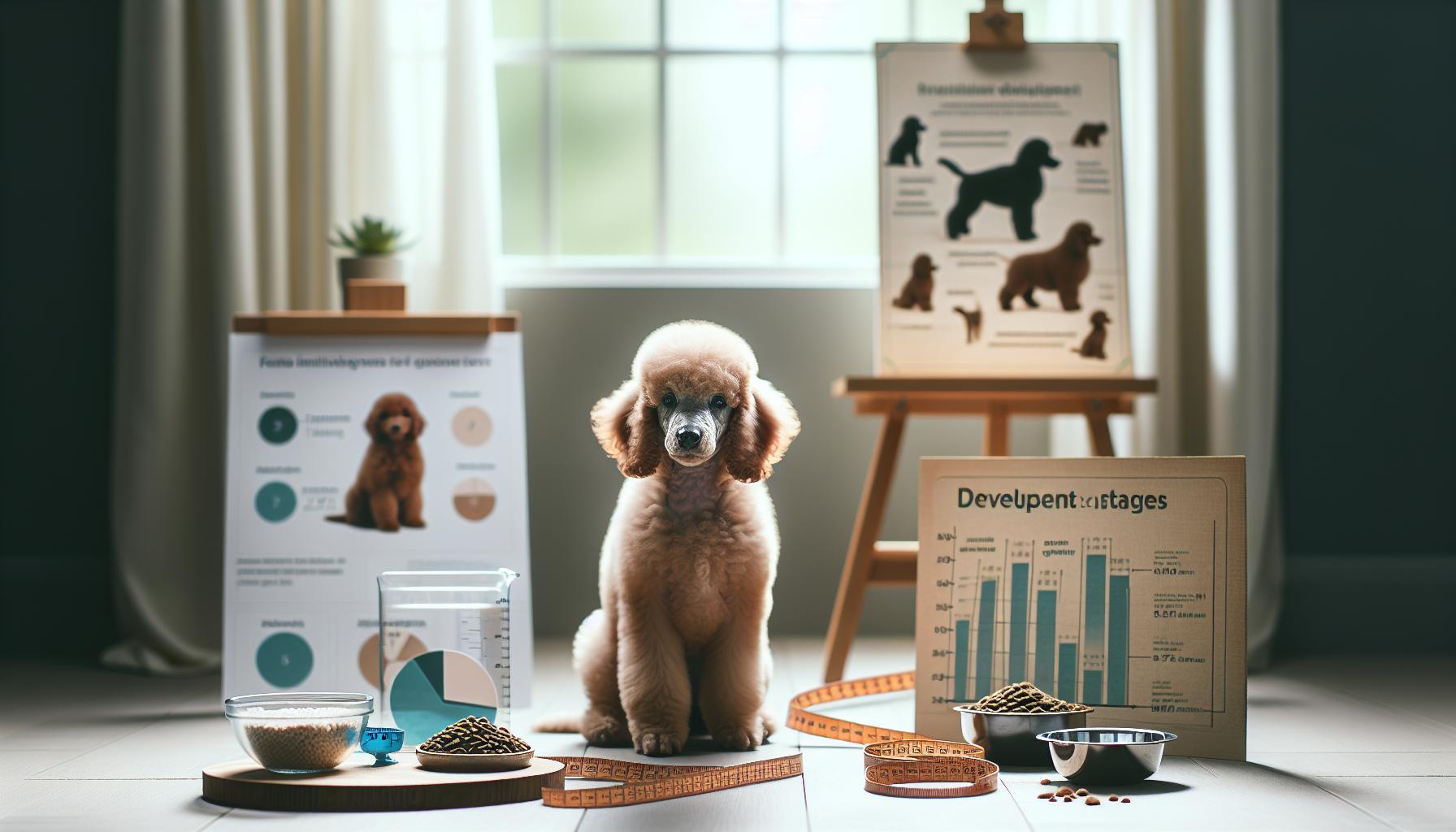
Factors Influencing Standard Poodle Growth Rates
The growth rates of Standard Poodles can vary significantly due to several key factors, making it important for owners to understand what influences their pup’s development. One of the most significant determinants is genetics. Just like humans, each Poodle has a genetic predisposition that can affect their size and growth patterns. If your pup’s parents were on the larger side, it’s likely your pup will follow that trend. Conversely, if they were smaller, your Poodle may also be more petite. It’s essential to discuss with breeders about the lineage and growth patterns of previous litters, as this information can provide valuable insights into what to expect.
Another crucial factor impacting your Poodle’s growth is nutrition. A balanced diet rich in proteins, fats, vitamins, and minerals is imperative for supporting their growth stages. Puppies require higher protein levels to promote muscle development and overall health. Look for high-quality puppy food specifically formulated for larger breeds, as it usually contains the proper balance of nutrients required for optimal growth. Over or underfeeding can lead to significant issues; obesity in puppies can result in joint problems later in life, while insufficient nutrition can stunt growth.
Additionally, environmental factors play a role in how quickly a Standard Poodle grows. Elements such as stress, exercise levels, and overall living conditions can impact a puppy’s growth rate. For instance, a puppy that engages in regular, appropriate physical activity will develop stronger muscles and healthy joints, which can support overall growth. Conversely, a lack of stimulation-both mental and physical-might hinder their development and lead to behavioral issues. Making sure your pup has plenty of playtime and exposure to new experiences can help facilitate healthy growth.
Lastly, regular veterinary check-ups are critical for monitoring your Poodle’s growth. Vets can detect any growth-related issues early on and provide tailored guidance on diet and exercise specific to your Poodle’s needs. They may suggest adjustments based on your pup’s growth rate compared to breed standards, ensuring that they continue on a healthy trajectory. By staying informed about these influencing factors, you can provide the best support for your Standard Poodle as they grow and thrive.
When Do Standard Poodles Stop Growing? Key Milestones
The journey of a Standard Poodle from puppyhood to adulthood is filled with significant growth milestones that every owner should be aware of. Generally, Standard Poodles reach their full size by the time they are around 12 to 18 months old. However, this timeline can vary slightly based on genetics, nutrition, and overall health. Understanding when to expect these key growth markers can help you provide the best care and support for your furry friend.
During the first few months, you’ll notice rapid growth. By six months, a Standard Poodle typically has already reached about 50-60% of its adult weight. This period is critical, as their bones and muscles are developing rapidly. Between six and twelve months, they will continue to gain weight but may not grow significantly taller. It’s also common for them to appear quite lanky during this phase, with long legs and a youthful appearance.
As they approach one year, you can start to see their adult structure more clearly. Most Poodles will have achieved their adult height by this stage, reaching anywhere from 18 to 24 inches at the shoulder, depending on their lineage. However, keep in mind that the final weight may still fluctuate. By the time they hit 18 months, you can expect them to have filled out and developed their adult muscle tone and conditioning.
To ensure your Standard Poodle’s healthy growth, focus on a balanced diet, regular exercise, and consistent veterinary check-ups. By actively engaging with them through play and training, you’ll not only support their physical growth but also foster a well-rounded, happy dog ready for the adventures of adult life.
The Role of Nutrition in Poodle Growth
Providing the right nutrition to your Standard Poodle during their growth phases is absolutely essential. During their first year, they undergo tremendous physical development, making it crucial to ensure they receive a balanced diet that supports their needs. A well-nourished puppy not only grows healthier but also has more energy and better overall health as they transition into adulthood.
When selecting food for your Poodle, choose high-quality puppy formulations that are rich in protein, fatty acids, vitamins, and minerals. Look for ingredients like lean meats as the first component, coupled with healthy fats and whole grains. Puppy food is designed to support the rapid growth and development of bones, muscles, and organs during this critical stage. Be mindful of feeding guidelines provided by the manufacturer, as these are often tailored to the specific needs of large-breed puppies.
Monitoring your puppy’s weight and body condition is a key part of this journey. Regularly weigh your Poodle and consult with your veterinarian to determine if your pup is on track for healthy growth. A growing puppy should not be overweight or underweight; aim for a balanced appearance where the ribs are easily felt but not visible. Additionally, avoid overfeeding or feeding too many treats, as this can lead to obesity and related health issues down the line.
Regularly transitioning from puppy to adult food is also part of proper nutritional management. Around 12 months, start to introduce a high-quality adult dog food to provide the appropriate nutrient profile as their growth stabilizes. This process should be gradual, over a week or so, to avoid gastrointestinal upset. Continuously monitoring their health with your veterinarian will ensure that your Standard Poodle transitions smoothly into an adult diet, laying the foundation for a healthy, active life ahead.
In summary, nutrition plays a pivotal role in your Poodle’s growth. With careful selection of food, monitoring of growth, and timely transitions, you’ll support your furry friend’s development into a robust and happy adult dog.
Common Myths About Poodle Growth Debunked
Understanding the development of your Standard Poodle can be enlightening, especially when it comes to dispelling myths surrounding their growth. While many dog owners believe they’ll glimpse their fully grown pup by a specific age, the reality is more nuanced. One pervasive myth is that Poodles reach their full size by around six months. In truth, Standard Poodles continue to grow and develop until about 12 to 18 months of age, with most reaching their adult height by about a year but not achieving full weight and muscle definition until later.
Another common misconception is that all Poodles grow at the same rate, irrespective of factors like genetics and diet. In reality, a variety of elements-including lineage, nutritional quality, and exercise levels-impact growth rates significantly. Standard Poodle puppies can experience growth spurts and plateaus, leading to variability in size among littermates. For example, an energetic puppy that engages in physical play regularly may develop muscle earlier than a less active sibling.
Many also believe that a slow growth rate indicates health issues, which isn’t always the case. Standard Poodles can have differing growth patterns based on their individual health and genetic backgrounds. Monitoring your puppy’s weight and overall health with your veterinarian is crucial, but it’s equally important to embrace their unique growth journey without undue stress. Adequate nutrition, combined with socialization and training, plays a more critical role in ensuring a happy, healthy adult dog than simply meeting a size benchmark.
In summary, understanding the facts versus myths about Standard Poodle growth sets the stage for better care. By acknowledging that growth can vary considerably and that it’s a gradual process, you’ll be better prepared to nurture your Poodle through each stage of their life. Remember, every Poodle is unique, and embracing their individual growth story will help you form a more fulfilling bond with your furry friend.
How to Measure Your Standard Poodle’s Growth
Keeping track of your Standard Poodle’s growth can be both exciting and essential for ensuring their health and well-being. As these beautiful dogs develop, accurate measurements will help you monitor their progress and make informed decisions regarding their care. To effectively gauge their growth, regular measurements of their weight and height should become a part of your routine.
Start by measuring your Poodle’s height. Use a flexible measuring tape or a yardstick. Have your dog stand on a flat surface, with their feet squarely underneath them, and their head held high. Measure from the ground to the highest point of their shoulder, known as the withers. This measurement will give you a clear idea of their height. For consistent results, measure at the same time of day and under similar conditions, as factors like hydration and posture can affect measurements.
For weight, use a reliable dog scale. Weigh your Poodle at least once a month during their puppy stage. This will help you identify any significant changes or unusual patterns in their growth. If you notice that your puppy’s weight strays significantly from breed standards, or you observe sudden weight gain or loss, consult your veterinarian. They can provide insights tailored to your dog’s specific needs based on their lineage, nutrition, and overall health.
Keeping a growth chart can also be incredibly helpful. You can create a simple table that charts your Poodle’s height and weight over months, allowing you to visualize their growth trajectory. Here’s a quick example of how to structure your growth chart:
| Age (Months) | Height (Inches) | Weight (Pounds) |
|---|---|---|
| 2 | 12 | 15 |
| 4 | 18 | 25 |
| 6 | 20 | 35 |
| 8 | 22 | 45 |
| 12 | 24 | 55 |
Incorporating these steps into your routine will not only assist you in monitoring your Standard Poodle’s growth effectively but will also enhance the bond you share as you celebrate each milestone together. Remember, the goal is to support your Poodle’s development holistically-keeping a close eye on their size is just a part of the bigger picture of nurturing a healthy, happy dog.
Transitioning to Adult Food: When and How
As your Standard Poodle enters its early adulthood, it’s important to consider when and how to transition them to adult food. This change is crucial for supporting their ongoing development and ensuring they receive the right balance of nutrients for their active lifestyle. Typically, you can begin this transition around 12 months of age, but this can vary based on individual growth rates and your veterinarian’s advice. Adult Standard Poodles have different nutritional needs compared to their puppy counterparts, as their bodies are no longer in the fast growth phase.
The transition process should be gradual to avoid digestive upset. Start by mixing a small amount of the adult food with their current puppy food, then gradually increase the proportion of adult food over the course of 7 to 10 days. This helps your Poodle adjust to the new food and minimizes any potential gastrointestinal issues. Watch your dog carefully for any signs of distress, such as vomiting or diarrhea, and consult your vet if you notice any changes.
Choosing the Right Adult Food
When selecting adult dog food, look for high-quality options that list a source of protein as the first ingredient. Standard Poodles are active and intelligent dogs that thrive on food rich in nutrients. Aim for a balanced blend of protein, healthy fats, and carbohydrates. Consider your dog’s activity level and any specific health needs they may have. For instance, active dogs might benefit from higher protein diets compared to those that are more sedentary.
Here’s a quick checklist to help you pick the best adult food for your Poodle:
- Protein Content: Look for at least 20-25% crude protein.
- Fat Content: Aim for 8-15% fat content to sustain energy levels.
- Carbohydrates: Ensure there are healthy sources of carbs, like brown rice or sweet potatoes.
- Vitamins and Minerals: A good mix of vitamins and minerals is essential for bone and joint health.
- Ingredient Quality: Avoid artificial preservatives and fillers; prioritize whole food ingredients.
Choosing the right adult food not only supports your Poodle’s health as they grow but also plays a key role in their happiness and energy levels. Engaging with your veterinarian during this transition can provide personalized recommendations based on your dog’s unique needs, ensuring a smoother process for both of you. Remember, this phase represents a new chapter in your dog’s life, and with the right nutrition, they’ll flourish into the healthy adult you envision!
Top Health Concerns During the Growth Phase
As your Standard Poodle grows, you’ll want to be vigilant about their health, particularly during this crucial growth phase. Puppies are often rambunctious, and while it’s essential to let them explore and play, their developing bodies can be vulnerable. One of the most significant concerns during this stage is the risk of developmental diseases, particularly in larger breeds like Standard Poodles. Conditions such as hip dysplasia and elbow dysplasia are not only hereditary but can also be exacerbated by rapid growth and excessive weight. Ensuring that your puppy maintains a healthy weight and receives appropriate exercise can help mitigate these risks.
Another crucial area to focus on is nutrition. Providing a balanced diet tailored to their growth phase is paramount. Excessive protein or calcium can lead to skeletal issues, while deficiency can impede growth and development. A quality puppy food designed for large breeds should offer the right nutritional balance. It’s also worth noting that overfeeding can lead to obesity, which places extra strain on developing joints and bones, possibly leading to long-term health issues. Transitioning gradually to adult food when the time comes-usually around 12 months-is crucial to regulate their nutrient intake properly as they shift into adulthood.
Regular veterinary check-ups are fundamental during this period. These appointments allow for monitoring of growth milestones and provide opportunities to catch any potential health issues early. Your veterinarian can assess your puppy’s body condition score, recommend vaccination schedules, and conduct regular screenings for parasites-ensuring that your Poodle has a strong start in life. Additionally, they can guide you on age-appropriate exercise regimens, which are important for your puppy’s physical and mental stimulation without risking injury.
It’s also vital to socialize and stimulate your Poodle mentally. An under-stimulated puppy can develop behavioral issues that manifest in destructive behaviors. Provide engaging toys, consider puppy classes, and create play dates with well-behaved dogs to foster positive socialization. Keeping their minds active is just as important as physical exercise, ensuring they grow into well-rounded adults. Being proactive about these health concerns sets the foundation for a vibrant and healthy life ahead for your Standard Poodle.
Activity Needs: Keeping Your Growing Poodle Engaged
Keeping a Standard Poodle engaged can be a rewarding experience, as they are highly intelligent and active dogs that thrive on interaction and stimulation. During their growth stages, it’s essential to provide them with both physical and mental challenges to foster their development and ensure they grow into well-adjusted adults. Engaging your Poodle isn’t just about burning off energy; it’s also about nurturing their inquisitive nature and social behavior.
One effective way to keep your growing Poodle active is through interactive play. Consider activities that require them to think and problem-solve, such as hide-and-seek with treats or toys. You can hide their favorite toy and encourage them to find it, which taps into their natural hunting instincts and keeps their mind sharp. Puzzle toys that dispense treats can also be beneficial, providing both mental stimulation and a reward for their efforts.
In addition to playtime at home, regular outings are crucial. Socializing your Poodle with other dogs and people is an essential part of their growth. Visiting dog parks, arranging playdates, or participating in group training classes can expose them to different environments and experiences. This not only helps with their social skills but also reduces anxiety and enhances their confidence.
Moreover, obedience training should not be overlooked. Teaching basic commands and tricks can be a fun way to engage your Poodle mentally while reinforcing good behavior. Poodles are eager to please, making them responsive learners. Training sessions can be short and frequent, sprinkled throughout the day to maintain their interest without overwhelming them.
Lastly, regular exercise is paramount. Standard Poodles need ample physical activity to stay healthy. Aim for daily walks, runs, or even swimming sessions, particularly as they approach adulthood. Swimming is especially beneficial as it is easy on their developing joints while providing a full-body workout. Incorporating a variety of activities not only keeps their body fit but also prevents boredom and destructive behavior.
In short, the key to a happy, well-balanced Standard Poodle lies in a mix of physical activities, mental challenges, and social interactions. By creating a stimulating environment and involving them in various activities, you set the stage for a vibrant and fulfilled adult life for your Poodle.
Preparing for Your Standard Poodle’s Adult Life
As your Standard Poodle approaches the end of the growth phase, you might find yourself filled with both excitement and curiosity about what their adult life will look like. Transitioning from a playful puppy to a well-rounded adult dog is a crucial journey that requires thoughtful preparation. During this time, it’s essential to establish routines that will support their physical, mental, and emotional well-being, setting the stage for a fulfilling and vibrant life.
One of the most vital aspects of preparing your Poodle for adulthood is ensuring they continue to receive a balanced diet tailored to their nutritional needs. As they age, their dietary requirements shift, necessitating a gradual transition to adult dog food. This typically occurs around 12 months of age, but some larger Poodles may benefit from continuing with puppy food until they are 18 months old. Consult your veterinarian for personalized recommendations and stick to high-quality dog food to promote optimal health.
Equally important is establishing a consistent exercise regimen. Adult Standard Poodles require substantial physical activity-at least an hour daily-combined with stimulating mental challenges. Rotate between brisk walks, play sessions, and interactive games to keep things fresh and engaging. Regular physical activity not only helps maintain a healthy weight but also reduces behavioral problems that may arise from boredom or excess energy. Activities like agility training or canine sports can provide a vibrant outlet for their intelligence and energy.
Additionally, socialization doesn’t stop as they reach adulthood. Continuing to expose your Standard Poodle to different environments, people, and other dogs is crucial in keeping their temperament balanced and ensuring they remain well-adjusted. Regular visits to dog parks or participation in group classes can enhance their social skills and confidence. Remember, a well-socialized Poodle is a happy Poodle!
Finally, engage in regular veterinary check-ups to monitor their health as they transition into adulthood. Routine exams help catch any potential health issues early and establish a vaccination schedule that remains appropriate for their lifestyle. Keeping an open line of communication with your vet ensures that you’re taking proactive steps toward maintaining your Poodle’s health throughout their life.
Employing these strategies will not only support your Standard Poodle’s development but also strengthen the bond you share, paving the way for a rewarding partnership in the years to come.
Q&A
Q: How long does a Standard Poodle grow?
A: A Standard Poodle typically continues to grow until around 12 to 18 months of age. After this period, their growth rate will significantly slow down, and they will reach their full size by 18 months.
Q: What factors can affect the growth of Standard Poodles?
A: Several factors can influence Standard Poodle growth, including genetics, nutrition, and overall health. Ensuring a balanced diet and regular veterinary check-ups can effectively support their healthy growth and development.
Q: At what age do Standard Poodles start to show maturity?
A: Standard Poodles generally start showing signs of maturity between 18 and 24 months. By this age, most physical growth is complete, and behavioral maturity often follows, honing their temperamental stability.
Q: Are there any common health issues during a Standard Poodle’s growth?
A: Yes, common health concerns may include hip dysplasia and dietary-related issues. Regular veterinary visits and guidance on appropriate exercise can help mitigate these risks during their growth phase.
Q: How can I ensure my Standard Poodle grows healthily?
A: Providing a balanced diet rich in essential nutrients is crucial for healthy growth. Additionally, regular exercise and routine vet check-ups will support their overall well-being. Consider discussing dietary needs with your vet for personalized advice.
Q: Do male and female Standard Poodles grow differently?
A: Yes, male Standard Poodles tend to be larger and grow slightly bigger than females. Males typically weigh between 45-70 pounds while females usually weigh between 40-55 pounds, with size differences becoming apparent by the time they reach adulthood.
Q: When should I switch my Standard Poodle to an adult dog food?
A: Transitioning to adult dog food should generally occur between 12 and 18 months of age, depending on their specific growth patterns. Consult your veterinarian for the best timing based on your Poodle’s growth and health needs.
Q: How can I monitor my Standard Poodle’s growth effectively?
A: To monitor your Standard Poodle’s growth, regularly weigh them and measure their height. Keeping a growth chart can help track their progress and identify any health concerns early on. Consult with your vet during check-ups to assess growth against breed standards.
For more insights on Standard Poodle care and growth, feel free to check our articles on The Role of Nutrition in Poodle Growth and Top Health Concerns During the Growth Phase.
To Conclude
As we’ve explored the growth timeline of Standard Poodles, remember that understanding when they stop growing is just one part of raising a happy and healthy pup. Your journey with your Standard Poodle is filled with essential phases that require tailored care and attention. If you have further questions about specific stages or need tips on training and socialization, check out our articles on Standard Poodle Training Tips and Nutrition for Growing Puppies to ensure you’re well-equipped for each step of the way.
Don’t let the excitement stop here! Sign up for our newsletter to receive expert advice and exclusive resources tailored just for dog owners like you. Consider visiting our community forum to share your experiences and connect with fellow Poodle parents who understand this rewarding journey. Let’s continue fostering a loving environment for our furry friends-your commitment makes all the difference!