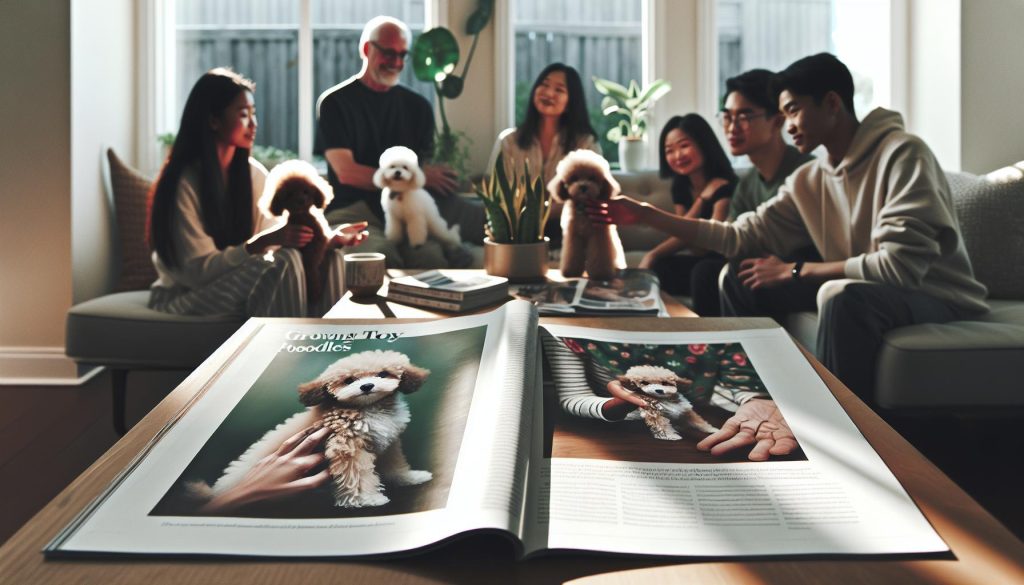
Toy Poodles are known for their adorable looks and lively personalities, but as a new or prospective owner, you may wonder when your furry friend will stop growing. Understanding their growth timeline is crucial for ensuring their health, training, and overall well-being. Most owners are thrilled as their Toy Poodle reaches maturity, marking the end of the energetic puppy phase and the beginning of a stable adult stage. Knowing when this transition occurs helps you plan for their dietary needs, exercise requirements, and grooming routines. In this article, we’ll uncover the growth milestones of Toy Poodles, so you can better support your pet through each stage of life-from playful pup to a graceful adult. Stay with us to discover essential tips for caring for your growing Toy Poodle and ensuring a happy, healthy future together!
When Do Toy Poodles Stop Growing? Understanding Their Growth Stages
As a passionate dog lover, you might be fascinated to learn that Toy Poodles experience distinct growth stages that can be both exciting and a little daunting for new owners. Typically, these adorable companions stop growing between 8 to 12 months of age, with most achieving their full height and weight by around the one-year mark. However, some may continue to fill out and gain a bit more weight until they are about 18 months old. Understanding these growth stages is crucial for setting realistic expectations on their development and planning the right care and nutrition.
During their early months, Toy Poodles undergo rapid changes. From birth to 12 weeks, they are in a critical growth phase, during which they rely heavily on their mother’s milk or quality puppy food for proper nutrition. By the time they reach 6 months, they will typically be around 60-70% of their adult size, and by 12 months, they are at their peak height. A well-balanced diet is essential during these formative months to ensure that your pup grows strong and healthy. Regular vet check-ups can help monitor growth and adjust their diet as necessary for optimal development.
As they approach maturity, expect a few changes in behavior and energy levels as well. Adult Toy Poodles are known for their intelligence and affection, but they also require structured routines for exercise and mental stimulation. Balancing their physical needs with the right training and socialization will help them thrive. Take time to create a nurturing environment filled with engaging toys and positive reinforcement, as this will pave the way for your growing Toy Poodle to become a well-adjusted adult.
To summarize, recognizing the milestones in your Toy Poodle’s growth stages and understanding their nutritional and care needs will greatly benefit their overall health and well-being. Whether you’re a first-time owner or an experienced handler, embracing this journey will create a strong bond with your furry friend, ultimately leading to a happy, healthy life together.
Toy Poodle Growth Timeline: Key Milestones Explained

Understanding the growth journey of a Toy Poodle is not just about tracking their size; it’s a delightful experience filled with milestones that shape their personality and health. The timeline of your pup’s growth stages is crucial for your role as a caregiver, helping you anticipate their needs and ensure they reach their full potential. Let’s dive into this captivating journey and explore the key milestones of a Toy Poodle’s growth.
From the moment they are born, Toy Poodles enter a world of rapid development. During their first three months, they are heavily reliant on their mother’s milk or a high-quality puppy formula, which is vital for their early growth. By the end of this critical period, these tiny furballs will usually weigh between 2 to 4 pounds and will be starting to explore their surroundings. By around 6 months, they will have reached approximately 60-70% of their adult size. This is an exciting time where their playful nature truly begins to shine, and they start to exhibit their unique personalities.
At the one-year mark, Toy Poodles typically reach their peak height, often standing between 9 to 10 inches at the shoulder. However, it’s essential to remember that while they may appear at their full height, some pups will continue to fill out until they are about 18 months old. Monitoring their weight and body condition during these months is crucial. Regular vet visits can help ensure any nutritional adjustments are made to support their ongoing development.
As a parent to a growing Toy Poodle, you have the opportunity to nurture their intelligence and affectionate nature. Engage them with stimulating toys and activities to foster both physical and mental development. This not only aids in their growth but also strengthens your bond with them. Keep in mind the importance of socialization during these early months; exposing your Toy Poodle to different people, environments, and other pets will have lasting effects on their behavior as they mature.
In summary, being aware of the key growth milestones in your Toy Poodle’s development allows you to provide the best possible care as they transition into adulthood. By understanding these stages-from the critical early weeks to their playful puppy phase and on to maturity-you can ensure your Toy Poodle grows into a happy, well-adjusted companion. Embrace this journey, and you’ll create a strong, loving connection with your furry friend that lasts a lifetime.
Factors Influencing Toy Poodle Growth Rates

Understanding the intricacies of a Toy Poodle’s growth rates can be fascinating and essential for their overall development and well-being. Several factors interplay in determining how quickly your pup reaches maturity, impacting everything from their size to their health and temperament. By recognizing these influences, you can take proactive steps to ensure your Toy Poodle thrives throughout their growth stages.
One of the primary factors affecting growth rates is genetics. Just like humans, a dog’s breed and lineage play a significant role in their development. Toy Poodles, in particular, are known for their compact size, but genetic variations can result in differences in final size and growth patterns. Consulting with your breeder about the size and health of the pup’s parents can give you insight into what to expect.
Another critical element is nutrition. A well-balanced diet, rich in essential nutrients, supports healthy growth. Puppies have specific dietary requirements compared to adult dogs. Choosing a high-quality puppy food specifically formulated for small breeds ensures that they receive the appropriate levels of protein, fats, and vitamins vital for growth. Pay attention to feeding schedules and portion sizes, as overfeeding can lead to obesity, while underfeeding can stunt growth. Regular vet check-ups can help track your pup’s nutritional needs over time.
Exercise also plays a pivotal role in growth and development. While puppies require less intense activity compared to adult dogs, gentle play and short walks help to strengthen their muscles and bones, contributing to proper development. Socializing your Toy Poodle through supervised interactions with other dogs and environments promotes healthy psychological growth, preparing them for a balanced temperament as they mature.
Lastly, external factors such as stress and environment can also impact growth rates. A stable, nurturing home environment encourages healthy development, while stress from loud noises, frequent moves, or lack of companionship can hinder growth. Creating a safe, loving space will not only help your Toy Poodle grow physically but will also enhance their emotional well-being.
By understanding and managing these factors-genetics, nutrition, exercise, and environmental stability-you can significantly influence your Toy Poodle’s growth trajectory, paving the way for a happy, healthy adult dog. Engaging with your pup during these formative years will not only support their physical development but also foster a strong bond that lasts a lifetime.
Average Size Expectations for Adult Toy Poodles

When it comes to Toy Poodles, understanding their size expectations is crucial for new and experienced dog owners alike. These delightful companions are among the smallest Poodle breeds, typically reaching their full height and weight by around 12 months of age, although some may continue to fill out until they are 18 months old. Knowing the average size of an adult Toy Poodle can help you prepare for their needs, including health considerations, training, and lifestyle accommodations.
Most adult Toy Poodles measure between 9 to 10 inches in height at the shoulder, with a weight range of 4 to 6 pounds. However, it’s important to remember that individual variations do exist, as genetics plays a significant role in determining size. For instance, a Toy Poodle from a lineage of larger or smaller parents may fall outside these averages. Acknowledging these potential disparities can inform your expectations and preparations for your furry friend.
Regular veterinary check-ups are instrumental in monitoring growth and ensuring that your Toy Poodle stays within a healthy weight range. Incorporating a balanced diet, appropriate exercise, and regular health screenings will help maintain their well-being. These small dogs thrive on companionship and gentle play, so while they may be petite, they still require ample attention and interaction.
In summary, while most adult Toy Poodles will fit within the average size spectrum, it’s essential to embrace the individuality of your pup. Fostering an environment that nurtures their growth and development will not only help them achieve their ideal size but also create a strong, loving bond between you and your little companion.
Nutrition’s Role in Toy Poodle Growth and Development
To nurture the vibrant growth of your Toy Poodle, nutrition plays a pivotal role that cannot be overlooked. These little dynamos need a well-balanced diet that supports their distinct developmental requirements. Proper nutrition is not just about filling their bowls; it’s about ensuring they receive a blend of protein, fats, carbohydrates, vitamins, and minerals that fuels their playful spirit and physical growth. Starting as early as eight weeks, when you welcome your Toy Poodle home, the right diet will set the foundation for a healthy and happy life.
Essential Nutrients for Growing Toy Poodles
Your Toy Poodle’s diet should primarily consist of high-quality, protein-rich dog food formulated specifically for small breeds or puppies. Look for ingredients that include:
- Animal Proteins: Chicken, lamb, and fish are excellent sources to promote muscle growth.
- Healthy Fats: Omega fatty acids support coat health and cognitive development.
- Complex Carbohydrates: Brown rice, sweet potatoes, and peas provide essential energy.
- Vitamins and Minerals: Calcium and phosphorus are crucial for bone development.
As your Toy Poodle transitions from puppyhood to adulthood, it’s important to adjust their diet accordingly. Puppy formulas often contain higher protein and fat levels to facilitate their rapid growth, while adult formulas focus more on maintaining a healthy weight. Consult your veterinarian to determine when it’s appropriate to switch from puppy food to adult food, typically around 12 months of age.
Maintaining a Healthy Weight
Monitoring your Toy Poodle’s weight is a key factor in their growth and development. Obesity can lead to a host of health issues, including heart problems and joint issues, especially in such small breeds. You can keep track of your pup’s weight by:
- Weighing them regularly, ideally every month.
- Being mindful of portion sizes based on feeding guidelines.
- Avoiding excessive treats, particularly ones high in fat or sugar.
Additionally, engaging your Toy Poodle in regular, gentle exercise not only promotes fitness but also aids in digestion and mental stimulation. With their playful nature, a mix of playtime and short walks usually does the trick to keep them fit and happy.
In summary, by providing a well-rounded diet and monitoring their physical health regularly, you’re contributing significantly to the growth and well-being of your beloved Toy Poodle. This dedicated care not only helps them thrive physically but also strengthens the bond between you both as you navigate their growth journey together.
Crucial Care Tips for Growing Toy Poodles
The delightful journey of caring for a growing Toy Poodle requires a blend of attentiveness, love, and informed decision-making. These little canine companions, known for their intelligence and affectionate nature, thrive on proper care throughout their developmental stages. An essential aspect of care is fostering a safe and stimulating environment. This means not only puppy-proofing your home but also providing engaging toys and activities to stimulate their minds and bodies, sparking the curiosity they are so eager to express.
Building a consistent routine is pivotal for your Toy Poodle’s growth and development. Like children, dogs flourish when they have predictable schedules for feeding, exercise, and playtime. Dogs are creatures of habit, so try to feed your pup at the same time each day and establish regular potty breaks. This routine not only helps in house-training but also instills a sense of security. Adding structured training sessions can also make a profound difference; short, fun training exercises can reinforce good behavior, strengthen your bond, and sharpen their intellect. Aim for sessions that last no longer than 5-10 minutes to keep their attention focused and engaged.
Regular veterinary visits are crucial for monitoring your Toy Poodle’s health as they grow. Early in their lives, vaccinations and routine check-ups help ensure a healthy foundation. Discuss with your vet about the appropriate vaccinations, flea and tick prevention, and any necessary dental care, as tiny breeds like Toy Poodles are prone to dental issues. Furthermore, keeping an eye on their weight and growth patterns can preempt many health problems later on. Always consult with your vet if you notice any changes in behavior, appetite, or energy levels, as early intervention is key in addressing potential health issues.
Another critical aspect of your Poodle’s care is socialization. Exposing your Toy Poodle to various environments, people, and other animals will help them grow into a well-rounded adult. Start this process carefully by introducing short outings and playdates with well-mannered dogs. Ensure each interaction is positive, as this will foster confidence in your Toy Poodle and help curb any fear-based behaviors in the future. As always, combine these experiences with plenty of praise-both verbal and physical-to reinforce their sense of safety and happiness.
In summary, attentive care tailored to the developmental needs of your Toy Poodle-from consistent routines and veterinary visits to socialization and stimulating environments-will ensure a healthy and well-adjusted companion for years to come. As you navigate this exciting phase together, cherish those moments of playfulness and discovery, for they are as much a part of your growth journey as they are of theirs.
Common Health Concerns in Growing Toy Poodles
Owning a Toy Poodle is a delightful experience, but it’s essential to be aware of the common health concerns that can arise during their growth stages. As small dogs, Toy Poodles are particularly sensitive to certain health issues, making it crucial to monitor their development closely. From dental problems to joint issues, being informed can help you take proactive steps to ensure your pup remains happy and healthy.
One of the most prevalent health concerns for Toy Poodles is dental disease. These little pups are prone to periodontal issues due to their small mouths and crowded teeth. Starting early dental care is vital, including regular brushing and veterinary dental cleanings. Signs of dental problems can include bad breath, difficulty eating, or swollen gums, and it’s crucial to address these promptly to prevent more serious conditions.
Another consideration is patellar luxation, a condition where the kneecap dislocates from its normal position. This issue can lead to limping and pain, with some dogs experiencing it more severely than others. Weight management and low-impact exercise can help alleviate stress on their joints, and consulting with your veterinarian about any observed limping or difficulty in movement is key in managing this concern effectively.
Toy Poodles are also susceptible to hypoglycemia, especially when they are young or not eating adequately. This condition can cause weakness, confusion, and lethargy. Keeping a close eye on their feeding habits and ensuring they eat small, frequent meals can help regulate their blood sugar levels. If you ever notice signs of hypoglycemia, such as lethargy or fainting, seek immediate veterinary advice.
Lastly, regular veterinary check-ups are essential for early detection of potential health issues. Vaccinations, heartworm prevention, and flea control should be part of your routine care. A trusted veterinarian can guide you through the specific health risks associated with Toy Poodles and help address any concerns promptly.
By being aware of these common health challenges and maintaining a proactive approach to your Toy Poodle’s health, you can ensure that your little companion grows up to be strong, healthy, and joyful. Your attentiveness not only fosters their physical well-being but also enhances your bond, allowing for countless happy moments together.
When to Expect Your Toy Poodle’s Final Size
When you’re eagerly awaiting your Toy Poodle to reach their full size, it’s essential to understand that these delightful little dogs typically complete their growth by around 12 months of age. However, the final size that your Toy Poodle will reach can vary based on several factors, including genetics, nutrition, and overall health. Generally, you can expect Toy Poodles to stand between 9 and 10 inches tall at the shoulders and weigh roughly 4 to 6 pounds as adults.
It’s fascinating to know that Toy Poodles grow rapidly during their first few months. They often double their weight in the first week of life and continue to grow steadily. By 8 weeks, they usually weigh about 2 pounds. By 4 months, they might reach around 4-5 pounds, and as they approach the one-year milestone, they will start to fill out and gain muscle mass, reaching their adult size.
To help ensure your Toy Poodle reaches their optimal size, pay close attention to their nutrition and health care. A well-balanced diet formulated for small breeds will support their growth while preventing excess weight gain, which is crucial for their joint health. Regular vet visits are also key in monitoring their growth and identifying any potential issues early on.
While you can enjoy the excitement of watching your Toy Poodle grow, remember that each dog is unique, and some may take a little longer to reach their final stature. Keeping track of their growth through regular weigh-ins and measuring their height can be a fun way to engage with your pet’s development. In doing so, you not only mark their progress but also foster a deeper connection through attentive care.
Comparison of Growth Patterns in Similar Breeds
It’s fascinating to observe how each breed grows at its own unique pace, reflecting not just genetics but also the specific attributes inherent to their lineage. Comparing the growth patterns of Toy Poodles with similar small breeds, such as the Maltese and Chihuahua, reveals some notable nuances that can be enlightening for new and experienced owners alike. Understanding these differences can help you better appreciate your Toy Poodle’s growth journey and set realistic expectations.
First, let’s look at the general growth timeline. Toy Poodles tend to grow at a consistent rate in their early months, often doubling their weight in the first week and reaching about 4-5 pounds by four months. In comparison, Maltese puppies grow slower initially, averaging around 1 pound at eight weeks but can catch up to around 3-4 pounds by six months. Chihuahuas, on the other hand, show a varied pace as they can reach full size by six months, typically weighing between 2-6 pounds depending on genetics. This distinct growth rate is essential when considering factors such as play and exercise, as younger, faster-growing breeds may require different care and attention to their health needs.
One critical aspect to keep in mind is the size variations within these breeds. While Toy Poodles will generally stabilize between 4-6 pounds and 9-10 inches tall, Chihuahuas can vary widely in their final adult size, making it inherently more complex to gauge growth expectations accurately. Maltese, known for their long, flowing coats, may also require more frequent grooming as they grow, which can affect their health and development if not managed properly.
In looking at physical development, it’s also worth noting the importance of diet and nutrition during the growth phases. A well-balanced diet tailored for small breeds supports healthy bone development and prevents obesity, a crucial concern for all small dogs, including Toy Poodles and their counterparts. Regular vet visits will help monitor their growth, comparing measurements and weight against ideal benchmarks for their breed ensures that you’re on the right track.
Here’s a quick reference table for a side-by-side comparison of growth patterns in these breeds:
| Breed | Average Weight at 4 Months | Estimated Adult Weight | Growth Completion Age |
|---|---|---|---|
| Toy Poodle | 4-5 lbs | 4-6 lbs | 12 months |
| Maltese | 2-3 lbs | 4-5 lbs | 12 months |
| Chihuahua | 2-3 lbs | 2-6 lbs | 6-12 months |
By understanding the growth patterns of your Toy Poodle in relation to similar breeds, you are not only equipped with knowledge but also empowered to provide the best care possible. Remember that each dog is unique, and observing the individual differences in your Toy Poodle compared to others can deepen your connection and enhance your shared experience as they grow.
Understanding the Growth Plate Closure in Toy Poodles
Understanding when a Toy Poodle reaches its full size can be a pivotal moment for pet owners, particularly because growth plate closure is a critical factor in determining when this occurs. Growth plates, or epiphyseal plates, are areas of developing cartilage tissue located near the ends of long bones. For Toy Poodles, these plates typically close around 12 months old, marking the end of their growth period. Once the growth plates close, the bones can no longer grow in length, and your pup will have reached its adult size.
Monitoring the closure of growth plates is essential as it can help identify any developmental issues early on. Signs of potential problems include irregularities in growth speed or noticeable differences in limb length. It’s always wise to consult a veterinarian if there are any concerns regarding your Toy Poodle’s growth. Regular check-ups can help track their development through their growth stages and give insights into their health and well-being.
To be proactive in supporting your Toy Poodle’s growth, ensure they receive an appropriate diet tailored for small breeds. A diet rich in essential nutrients will bolster healthy bone development and overall health during these critical growth phases. Additionally, engage in regular, gentle exercise suitable for their building muscles-too much strain can be detrimental, particularly before growth plates have closed.
In summary, understanding the timelines for when a Toy Poodle’s growth plates close can help you prepare for their transition into adulthood while also giving you tools to monitor their health and provide necessary care. Your proactive approach in these formative months will lead to a healthier and happier adult companion.
FAQ
Q: At what age do Toy Poodles reach their full height?
A: Toy Poodles typically reach their full height by around 9 to 12 months of age. However, they may continue to fill out and gain muscle mass until they are about 18 months old. It’s important to monitor their growth and ensure they maintain a healthy weight during this period.
Q: How can I tell if my Toy Poodle is growing at a healthy rate?
A: To ensure your Toy Poodle is growing at a healthy rate, monitor their weight and height regularly using a pet scale and measuring tape. Comparison with growth charts for Toy Poodles can help, and consulting with a veterinarian for personalized advice is beneficial.
Q: What factors can affect the growth of a Toy Poodle?
A: The growth of a Toy Poodle can be influenced by several factors, including genetics, diet, health, and environment. A nutritious diet and regular vet check-ups can support optimal growth. Additionally, training and physical activity contribute to their overall development.
Q: When do Toy Poodles stop growing in weight?
A: Toy Poodles usually stop gaining weight around 12 to 18 months of age. After this stage, their weight should stabilize. It’s essential to provide them with a balanced diet to maintain a healthy weight and support their overall well-being.
Q: Are there any growth milestones specific to Toy Poodles?
A: Yes, key milestones for Toy Poodles include significant growth spurts around 3-6 months and the likelihood of final size being reached between 12-18 months. Recognizing these milestones helps owners understand their dog’s development better and adjust care accordingly.
Q: How do I measure my Toy Poodle’s height correctly?
A: To measure your Toy Poodle’s height, use a straight wall and a level surface. Have your dog stand naturally, then measure from the ground to the highest point of their shoulder (the withers). Regular measuring helps track your dog’s growth accurately and can highlight any health concerns.
Q: Can a Toy Poodle’s growth be affected by their diet?
A: Absolutely! A good diet is crucial for ensuring proper growth in Toy Poodles. A balanced diet rich in protein, fats, and essential nutrients supports healthy muscle and bone development. Consulting with a vet for diet recommendations is advised for growing Poodles.
Q: What should I do if my Toy Poodle is under or overweight?
A: If your Toy Poodle is under or overweight, it’s essential to consult a veterinarian for tailored advice. They may recommend dietary adjustments, a structured exercise plan, and routine weigh-ins to help maintain a healthy weight and ensure proper growth.
Wrapping Up
As we’ve discovered, knowing when Toy Poodles stop growing can guide you in providing the best care for your furry friend. Remember, these little companions typically reach their full height by around 12 months, but maturity can continue until 18-24 months. This vital timeline not only helps you anticipate their needs but also supports healthy development. If you’re eager to dive deeper into caring for your Toy Poodle, check out our guides on “Feeding Your Toy Poodle Through Growth Stages” and “Essential Training Tips for New Toy Poodle Owners.”
Don’t let your questions end here! Sign up for our newsletter for expert advice delivered right to your inbox, and feel free to leave a comment below with your thoughts or experiences. Explore our site for more resources on dog care-your Toy Poodle will appreciate it! By engaging with our community and utilizing these valuable links, you can ensure a happy, healthy life for your playful companion.