

Clipping a Labradoodle not only keeps your furry friend looking stylish but also promotes their health and comfort. These adorable hybrid dogs have a unique coat that requires regular grooming to prevent matting and skin issues. Many new owners feel overwhelmed by this task, but learning safe trimming techniques can transform grooming from a daunting chore into a rewarding bonding experience.
In this guide, we’ll explore effective strategies tailored specifically for Labradoodles, whether you’re a seasoned groomer or just starting out. You’ll discover practical tips, breed-specific insights, and easy-to-follow steps that will help you handle your pup’s grooming needs with confidence. So, grab your tools and let’s dive into the art of clipping a Labradoodle-the results will leave you both feeling fantastic!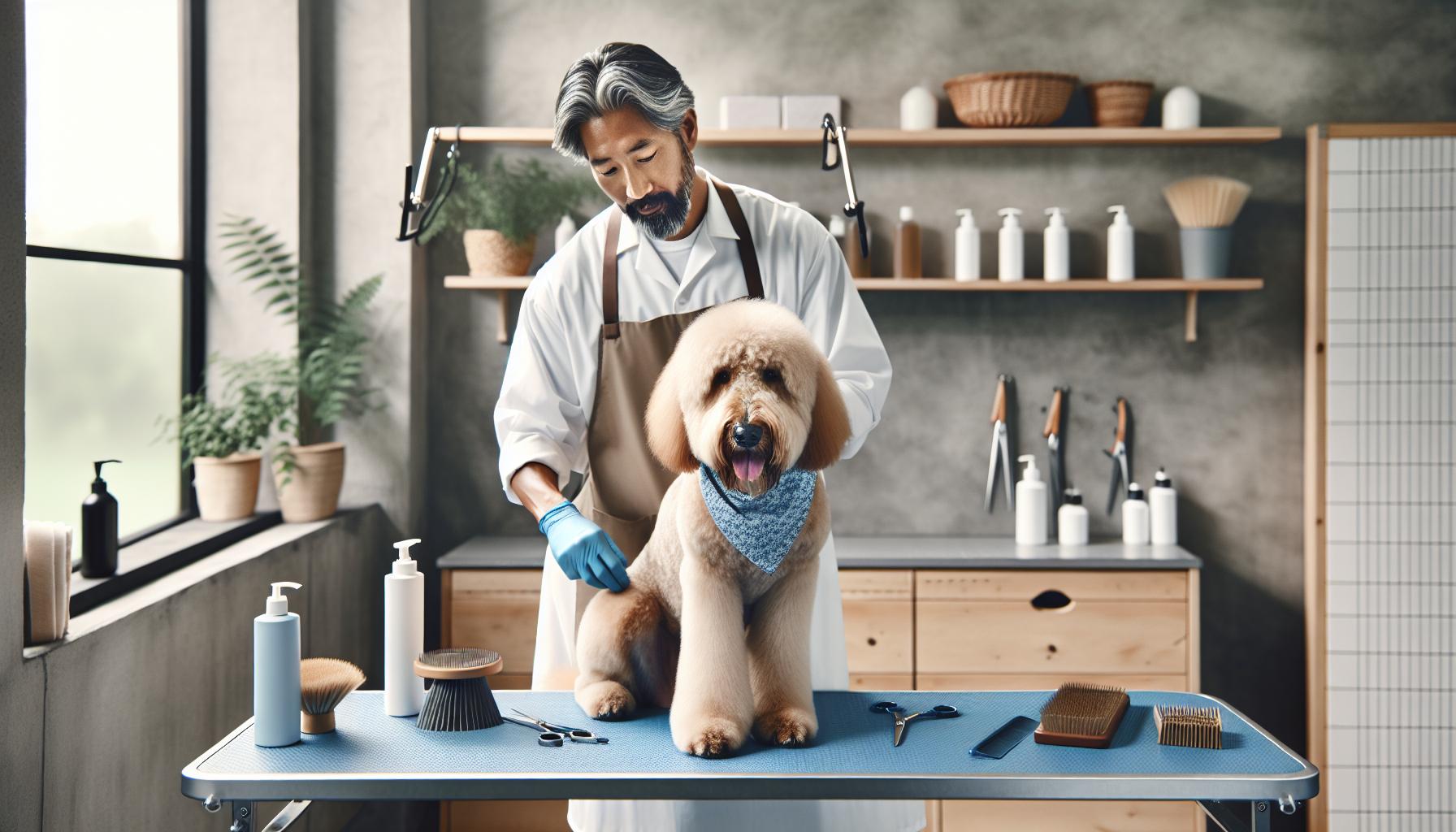
Safe Grooming Essentials for Labradoodles
When it comes to grooming your Labradoodle, ensuring both their safety and comfort is paramount. These beloved hybrids, known for their affectionate personalities and adorable curls, require a thoughtful approach to grooming that not only keeps them looking great but also makes the experience enjoyable for both you and your furry friend. One essential element of safe grooming is establishing a calm environment. Make sure the grooming space is free of distractions and has plenty of soft surfaces, like a non-slip mat, to help your Labradoodle feel secure.
To start your grooming sessions on the right foot, gather the necessary tools to keep your Labradoodle comfortable and happy. High-quality brushes suited for their coat type are essential-opt for a slicker brush or a comb to help remove tangles without hurting their skin. A good pair of scissors and dog clippers with different blade sizes will help you achieve the desired look while safely trimming their coat. Additionally, having nail clippers and ear cleaning solutions on hand can help ensure comprehensive grooming, addressing all aspects of your dog’s care.
Moreover, keeping grooming tools clean and well-maintained is crucial to avoid any injuries or infections. After each grooming session, inspect your tools for any wear and tear, and clean them thoroughly to prevent the spread of bacteria. Lastly, look out for signs of discomfort in your Labradoodle during grooming-if your pup seems anxious or restless, take a break or offer treats to help them associate grooming with positive experiences. This not only makes the process safer but also sets the stage for a closer bond between you and your beloved Labradoodle.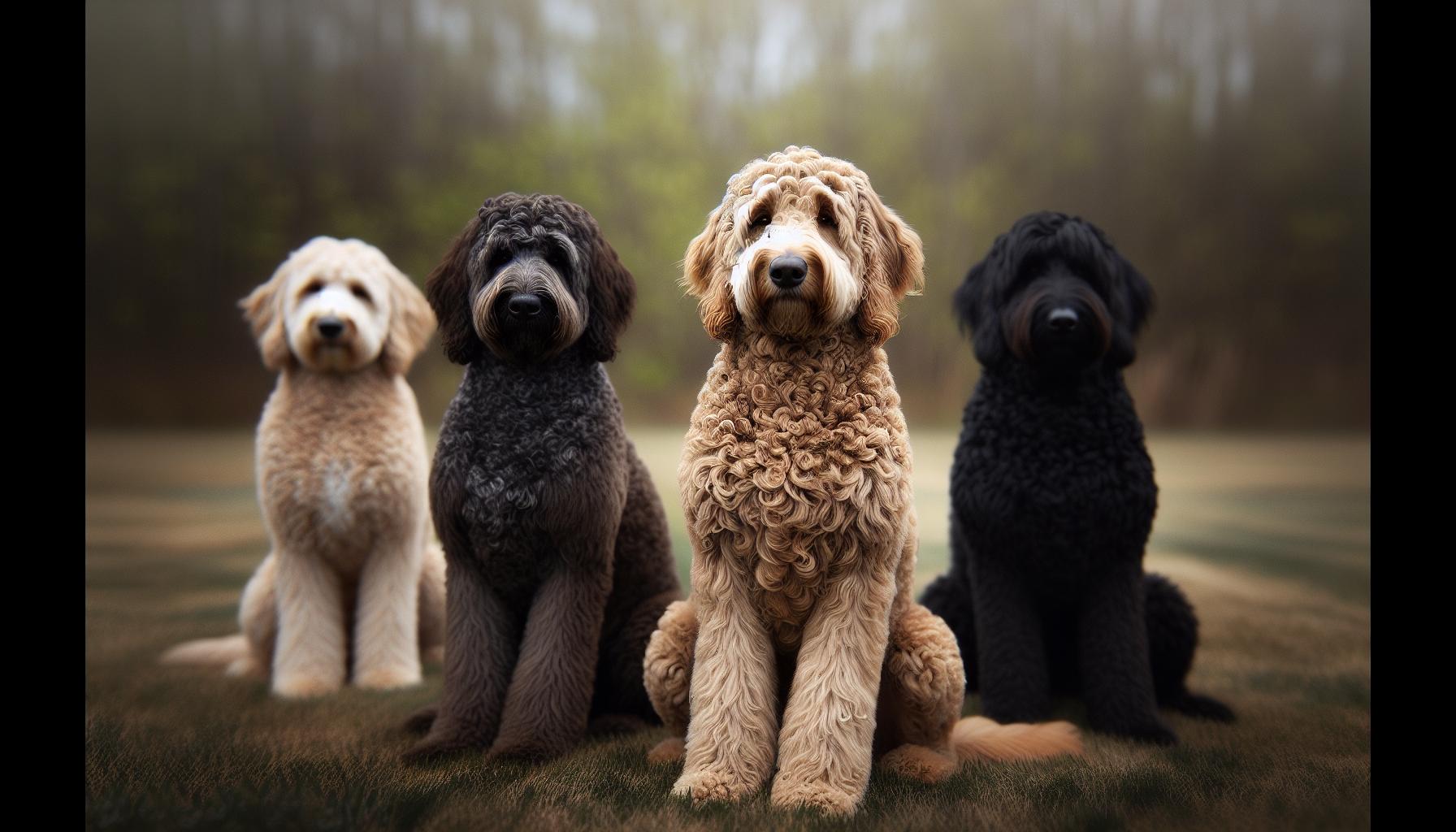
Understanding Labradoodle Coat Types
Understanding the various coat types of Labradoodles is crucial for effective grooming and maintenance. These delightful dogs are known for their distinctive curls or waves, which can vary significantly based on their genetic heritage. Labradoodles can inherit one of three primary coat types: wool, fleece, or hair.
The wool coat resembles that of a poodle, characterized by tight curls that trap moisture and dirt, making regular grooming vital. This type may require frequent brushing to prevent matting. The fleece coat, often softer and fluffier, is equally beautiful but demands a careful approach to maintain its health and appearance. Finally, the hair coat is usually straighter and may shed more than the others, allowing it to require less maintenance but still needing regular brushing to manage loose hair.
It’s important to recognize that each coat type interacts differently with grooming tools and techniques. For example, slicker brushes work wonders on wool coats for tackling tangles, while a bristle brush may be more suitable for fleece or hair coats. By understanding these variations, you can select the appropriate tools, making the grooming experience smoother for both you and your Labradoodle.
Labradoodles also come in different sizes – standard, medium, and mini – which can affect their grooming needs. Standard and medium Labradoodles may have more pronounced curls, requiring more time spent on grooming compared to mini Labradoodles that may exhibit a mixture of coat types. Familiarity with your Labradoodle’s specific coat type and personal grooming preferences will enhance your approach, ensuring an efficient and enjoyable grooming routine for your four-legged friend.
Tools You Need for Effective Trimming
When it comes to trimming your Labradoodle, having the right tools can make all the difference in creating a safe and enjoyable grooming experience for both you and your furry friend. Investing in quality grooming supplies not only enhances the effectiveness of your grooming routine but also ensures your Labradoodle remains comfortable throughout the process.
Start your grooming kit with a reliable pair of electric clippers equipped with guard combs. These clippers provide versatility and are designed to handle the dense and sometimes curly coats of Labradoodles, offering an even cut while minimizing the risk of any accidental nicks. Models like Wahl and Oster are highly recommended, as they come with various blade lengths to suit different areas of your dog’s body. For those sensitive spots, such as around the face, feet, and tail, grooming scissors are essential. Choose a pair of rounded-tip scissors for added safety, allowing you to work gently around delicate areas without the fear of injury.
To tackle tangles and mats effectively, a combination of grooming tools will ensure you’re well-prepared. A slicker brush is excellent for removing loose fur and preventing matting, particularly effective on wool coats. Pair this with a metal comb, which will help you work through any stubborn knots. Many owners find that a brush with a soft bristle side and a metal pin side, like a dual-action combination brush, can provide excellent results, offering flexibility based on your Labradoodle’s coat condition.
- Electric Clippers: Wahl or Oster, with various guard combs for different lengths.
- Grooming Scissors: Rounded-tip scissors for safety around sensitive areas.
- Slicker Brush: Ideal for removing loose fur and preventing mats.
- Metal Comb: Excellent for detangling stubborn knots.
- Combination Brush: Soft bristle and metal pin combination for versatile grooming.
Additionally, don’t forget about other grooming essentials like dog shampoo, conditioner, and even grooming wipes for a quick clean-up after those muddy walks. Having a grooming table or a sturdy surface where your dog can comfortably stand will make the process easier and more organized, allowing you to groom without straining your back. Together, these tools and tips will equip you for effective trimming, keeping your Labradoodle looking sharp and feeling good!
Step-by-Step Trimming Techniques for Labradoodles
Getting your Labradoodle trimmed can be a rewarding experience for both of you, and with a little patience and practice, you’ll find that it’s not just about aesthetics but also a way to maintain their health. Starting with a calm environment makes a significant difference; play soft music or use treats to help your furry friend feel more relaxed. Begin by ensuring your dog is comfortable and secure on a grooming table or a flat surface with good traction. This stability allows both you and your Labradoodle to focus on the trimming process.
To get started, brush your Labradoodle thoroughly using a slicker brush to remove loose fur and tangles. Pay special attention to areas that are prone to matting, such as behind the ears, under the legs, and around the tail. Once the fur is smooth, it’s time to grab your electric clippers. Here’s a straightforward approach:
Trimming Steps for Your Labradoodle
- Start with the Body: Using your clippers with the longest guard comb, begin trimming from the neck and work your way down towards the tail. Use gentle, even strokes to avoid creating uneven patches.
- Move to the Legs: Switch guards as needed to keep the length appropriate for the legs. Many owners choose to maintain a slightly longer coat on the legs to enhance the Labradoodle’s overall look. Remember to blend the legs with the body for a smooth transition.
- Face and Ears: This area requires more care. Use your rounded-tip scissors to trim around the eyes and mouth cautiously. For the ears, gently pull the fur taut and trim carefully to shape, avoiding any sudden movements that could startle your dog.
- Paw Pads: Use clippers or scissors to neatly trim the fur on the underside of the paws and between the pads. Keeping this area tidy helps maintain hygiene and prevents slipping.
- Finishing Touches: After trimming, use a metal comb to go over your dog’s coat one last time to catch any missed spots or inconsistencies. A quick brush with a soft-bristle brush can also add shine to their coat.
As you become more comfortable, you can experiment with different lengths and styles to find what suits both you and your Labradoodle best. Remember, it’s essential to keep the atmosphere positive and encouraging, using treats and praise throughout the process.
Innovative tools, such as quiet clippers designed for nervous pups, can enhance the experience further, and regular practice will make trimming a smooth endeavor. If at any point you’re unsure or if your dog seems uncomfortable, consider consulting a professional groomer for guidance. They can also demonstrate effective techniques that you can adopt at home.
How to Formulate a Grooming Schedule
Establishing a grooming schedule for your Labradoodle is essential for keeping their coat healthy and beautiful while also strengthening your bond. Regular grooming not only prevents matting and tangles but also provides an opportunity to check for any skin issues, parasites, or other health concerns. With Labradoodles, whose coats can vary widely in texture and length, finding the right balance in your grooming routine will make a significant difference in your dog’s overall well-being.
Start by determining the grooming frequency based on your Labradoodle’s coat type. Generally, a full grooming session should take place every 6 to 8 weeks, depending on how quickly their hair grows and how well you maintain it between appointments. To facilitate this, set up a checklist of grooming tasks to incorporate into your weekly routine:
- Daily Care: Brush your Labradoodle’s coat daily, focusing on areas that tend to mat like behind the ears and under the legs. This helps prevent mats and tangles from forming.
- Weekly Check-ins: Schedule a thorough inspection of your dog’s coat for any matted fur or skin irritations, and do a light trim if necessary.
- Monthly Baths: Give them a bath every month, using a dog-friendly shampoo to keep their coat clean and healthy. This is also a good time to check their nails and ears, as these areas often need attention as well.
- Professional Grooming:** Book professional groomer visits every 6 to 8 weeks for a more involved grooming session that includes clipping, shaping, and thorough cleaning.
Don’t forget to adapt your schedule according to the seasons-Labradoodles may require more frequent grooming during shedding seasons, typically in spring and fall. Keeping a calendar or mobile reminder can help you stay on track, ensuring that grooming never becomes overwhelming.
If your Labradoodle is anxious or not accustomed to grooming, consider introducing short, calming sessions at home to build their confidence. Use treats and positive reinforcement, making every grooming appointment a relaxed, enjoyable experience. As you get accustomed to the routine, you’ll find it becomes an easy and natural part of your relationship with your delightful furry friend.
Common Mistakes to Avoid While Clipping
When it comes to clipping your Labradoodle, avoiding common pitfalls can make a significant difference in both your experience and the results. Whether you’re a novice owner or a seasoned pet groomer, there are key mistakes that can lead to frustrating outcomes for both you and your furry friend.
One of the most significant blunders is skipping the preparation stage. A clean, thoroughly brushed coat is essential before you even think about reaching for your clippers. If the coat is matted or tangled, attempting to clip it can cause discomfort or pain to your dog and can ultimately damage their coat. Instead, spend time gently brushing out any knots or mats before starting. This not only makes clipping easier but can also help you identify any skin issues or irritations that need attention.
Another frequent error is rushing the clipping process. Many new groomers underestimate how long it can take to properly clip a Labradoodle. Taking your time not only ensures a better finish, but it also helps keep your dog calm. Use slow, deliberate movements, and consider breaking the session into shorter segments if your dog seems anxious or restless. Incorporating breaks with positive reinforcement, such as treats or praise, can transform your grooming session from a chore into a bonding experience.
A mistake that often goes unnoticed until it’s too late is the incorrect choice of clipper blade length. Choosing the wrong blade can result in an uneven cut that can be difficult to rectify. Familiarize yourself with different blade options and select one based on your desired length-shorter blades are better for tight trims, while longer blades can help maintain that fluffy, soft appearance that Labradoodles are known for. Additionally, always keep a pair of scissors handy for detailed work around sensitive areas, like the face and paws.
Finally, neglecting aftercare can lead to a host of issues. After clipping, be sure to check for any skin irritations that may have been missed during the grooming process. A good post-grooming check can help you spot potential concerns early, ensuring your Labradoodle stays healthy and comfortable. Remember, grooming is not just a one-time event; it’s a regular part of caring for your pet, contributing to their overall health and happiness.
Labradoodle Grooming: Home vs. Professional
When it comes to grooming your Labradoodle, the decision between home grooming and seeking professional help can be as complex as choosing the right grooming style. Both options have their own sets of advantages and challenges, and understanding them can help you make the best choice for both you and your furry friend.
Home grooming offers the convenience and comfort of performing this essential task in your own space. With a little patience and practice, many dog owners find it rewarding to bond with their Labradoodles during grooming sessions. Regular at-home grooming can also significantly cut down on costs associated with frequent trips to the groomer. Plus, you have complete control over the grooming schedule, allowing you to tailor it to your dog’s needs. However, success in home grooming relies heavily on understanding proper techniques, investing in the right tools, and being prepared to handle potential grooming challenges such as mats or anxiety during the process.
On the other hand, professional groomers bring specialized expertise and experience. They are typically skilled in managing various types of coats, which can be a game-changer for Labradoodles who tend to have more complex grooming needs. A professional groomer can deliver a high-quality trim and often spot skin issues that might go unnoticed by even the most observant owner. This expertise can save you time and frustration, especially if your Labradoodle is prone to anxiety or becomes overly restless during grooming. However, the downside includes the cost and the need to coordinate schedules, which might not always fit comfortably into your routine.
Evaluating your own comfort level, flexibility, and the specific needs of your Labradoodle can help steer your decision. If you choose to go the home grooming route, consider supplementing your skills with tutorials or guides. On the contrary, if opting for a professional, maintaining a good relationship with your groomer can make a significant difference in your dog’s grooming experience. Ultimately, whether at home or in a salon, the goal remains the same: to keep your Labradoodle healthy, happy, and looking their very best.
Dealing with Fearful or Anxious Dogs
When it comes to grooming, some Labradoodles may exhibit fear or anxiety, making the process more challenging for both the dog and the owner. Understanding the unique temperament of your Labradoodle, known for their sensitive nature, can help in creating a positive grooming experience. Bulls-eye the level of comfort your pup has with new experiences, particularly grooming tools like clippers and brushes. Establishing a calm environment is key; consider starting the grooming routine in a quiet room, minimizing distractions, and playing soothing music to create a relaxing atmosphere.
Engaging your dog through positive reinforcement techniques is essential. Use treats and praise liberally as your dog acclimates to the grooming process. It can be valuable to introduce tools gradually, allowing them to investigate and sniff before you begin any clipping or brushing. For example, place soft brushes or clippers on the ground during playtime. This way, it helps them associate these tools with positive experiences instead of fear or anxiety. Additionally, consider scheduling short grooming sessions. Keeping them brief helps prevent overwhelming your Labradoodle while building up their confidence over time.
Be mindful of your dog’s body language throughout the grooming process. Signs of stress, such as whining, cowering, or attempting to escape, indicate the need for a break. If you notice these signals, stop and try comforting your Labradoodle with gentle petting or a small treat. By remaining patient and attentive, you’ll foster trust and help your furry friend understand that grooming is a normal and safe part of their routine.
In some cases, you might want to consult a professional groomer who specializes in handling anxious dogs. They possess the knowledge and skills to offer tailored strategies that can assist in easing your Labradoodle’s anxiety and provide you with practical tips for home grooming. Remember, each slow and steady step you take to make grooming a more pleasant experience will deepen the bond between you and your Labradoodle, ultimately filling your grooming sessions with love, care, and relaxation.
Aftercare: Ensuring Comfort Post-Trimming
After a trimming session, ensuring your Labradoodle feels comfortable and cared for is essential for their overall well-being and health. Just like humans, dogs can experience sensitivity in their skin after a grooming session, and your attention can make a significant difference in how they feel. This phase isn’t just about aesthetics; it’s also about nurturing the bond between you and your furry friend and recognizing their unique needs.
First, make sure to address any skin sensitivities that may arise. After trimming, gently inspect your Labradoodle’s skin for any irritation or redness, particularly around sensitive areas like the ears, paws, and underbelly. If you notice any unusual signs, consider applying a soothing pet-safe moisturizer to relieve dry or irritated patches. Additionally, a light massage can enhance relaxation, helping your dog to unwind after the process. Use gentle, circular motions while observing your dog’s reaction; if they seem to enjoy it, you’re on the right track!
Next, don’t forget about their emotional needs. Just as you might enjoy a warm bath and pampering session, your Labradoodle will benefit from positive reinforcement and cuddles post-grooming. Offer treats and praise liberally to reinforce the notion that grooming leads to positive experiences. Creating a cozy post-grooming routine-perhaps lounging together on the couch with a favorite toy-can help them associate grooming with affection and relaxation.
Lastly, consider checking and cleaning their ears, as hair removal can sometimes lead to debris accumulating in these areas. Use a vet-recommended ear cleaner and gently wipe the inside of their ears with a cotton ball. This attention to detail not only promotes health but also serves as a soothing continuation of the grooming experience, reinforcing a caring environment.
Taking the time to ensure your Labradoodle feels secure and loved after trimming will not only enhance their physical comfort but also strengthen your bond, making each grooming session a more enjoyable experience for both of you.
Seasonal Grooming Tips for Labradoodles
Every Labradoodle owner knows that grooming is not just a necessity; it’s an opportunity to bond with your furry friend while keeping them healthy and happy. Seasonal changes bring unique grooming challenges and opportunities that can significantly affect your Labradoodle’s coat, skin, and overall well-being. By understanding these seasonal needs, you can ensure your dog is treated with the best care no matter the weather.
In the spring and summer months, your Labradoodle may experience a thicker coat as they prepare for warm weather. This is the time for regular brushing, ideally a few times a week, to prevent mats and tangles. Consider using a slicker brush or a wide-toothed comb, focusing on areas known for tangling, such as the ears and underbelly. Additionally, as temperatures rise, you might want to trim their coat slightly shorter to help keep them cool. However, be cautious not to cut too closely, as Labradoodles can be sensitive to extreme temperature changes. It’s essential to keep an eye out for skin irritations or allergies that may develop during hotter months, so consider scheduling a vet check-up if you notice scratching or discomfort.
As autumn approaches, shedding becomes more prevalent. This is the perfect time for a thorough grooming session, helping to remove dead hair and prepare their coat for winter. Increasing your brushing routine to a few times a week and employing a deshedding tool can significantly ease this shedding. Bathing your Labradoodle with a gentle, pet-friendly shampoo can also help bring out their natural shine and remove loose fur. Remember the importance of drying your dog properly after a bath, especially as temperatures begin to drop; a damp coat can lead to chilling and skin issues.
When winter arrives, your Labradoodle’s coat may change as they adapt to the cold with a fuller, thicker undercoat. Ensure that you continue regular grooming to prevent tangling and matting, particularly as they may be exposed to snow or mud. Keep an eye on their paws, as ice and salt can cause irritation; consider using paw wax or checking and cleaning their pads regularly after walks. It’s also a good time to evaluate the length of their coat – while some owners opt for a full trim, others may prefer to leave a bit more length for added warmth.
In every season, remain attentive to your Labradoodle’s grooming needs while forging a deeper bond with them through these routines. Not only will this ensure they look great, but more importantly, it will help keep their skin healthy, their coat beautiful, and their spirits high. With a little seasonal care and attention to detail, you and your Labradoodle can enjoy each moment together, creating cherished memories throughout the year.
Enhancing Your Labradoodle’s Natural Beauty
Many Labradoodles boast a coat that is not only beautiful but also uniquely expressive. Enhancing your dog’s natural beauty goes beyond simple grooming-it’s an opportunity to celebrate their characteristics and individuality. Regular grooming not only maintains the coat’s health but can also highlight the texture and color variations unique to your Labradoodle.
A well-groomed Labradoodle has that signature fluffy and soft look that many adore. To keep their coat in optimal condition, consider investing in high-quality grooming tools. A slicker brush is essential for detangling and fluffing their fur, allowing you to showcase its fullness. Additionally, using a good quality conditioner after bathing can enhance shine, making the coat appear richer and healthier. For those with a more curly coat, a leave-in conditioner or a gentle, pet-safe oil can help manage frizz and maintain that soft look.
Regular trimming also plays a key role in presenting a well-kept appearance. While some owners prefer maintaining a longer coat, regular clips, especially around the eyes, paws, and ears, not only improve aesthetics but also help in comfort and hygiene. When clipping, strive for a balanced look, keeping the coat length uniform while highlighting the breed’s natural features. If you’re unsure about the perfect length or style, look to professional groomers for inspiration, or consider a visit to a groomer to learn techniques that emphasize your dog’s best attributes.
Ultimately, the goal is to ensure your Labradoodle feels comfortable and confident. By integrating grooming into your regular routine and using the right techniques, you’ll foster a beautiful coat that reflects their joyful personality. Remember, a happy dog is a beautiful dog, and your dedicated grooming efforts will shine through in their wagging tail and bright eyes!
Labradoodle Grooming Resources: Books and Videos
For those embarking on the journey of grooming a Labradoodle, having access to the right resources can make all the difference. A wide array of books and videos can provide not only valuable tips and techniques but also serve as supportive tools in the grooming process. Engaging with these resources can enhance your confidence, enrich the grooming experience, and help you maintain your Labradoodle’s fabulous coat with ease and joy.
Books on Labradoodle Grooming
Books can be an excellent source of detailed techniques, grooming philosophies, and breed-specific care insights. Consider the following recommendations:
- The Complete Guide to Labradoodles – This thorough guide covers everything from selecting the right grooming tools to tips on styling your Labradoodle’s coat. It’s a great starting point for both new and seasoned owners.
- Grooming Your Labradoodle – This book focuses specifically on grooming techniques, providing step-by-step instructions and visuals that can help simplify the clipping process.
- Dog Grooming for Dummies – An overall excellent resource, this book includes sections dedicated to various breeds, including Labradoodles, and offers actionable advice that beginners can easily follow.
Videos for Visual Learning
Watching grooming techniques in action can be incredibly beneficial, especially for visual learners. Here are some standout video resources:
- The Grooming Guide – Labradoodle on YouTube by Linda Barker offers a practical and engaging walkthrough of grooming a Labradoodle, discussing coat types, essential tools, and effective techniques.
- Various grooming channels on platforms like YouTube provide tutorials that explore specific clipping styles, from puppy cuts to elegant longer trims. These videos showcase professional groomers demonstrating their techniques.
By integrating the knowledge from these books and videos into your grooming routine, you’ll not only ensure a well-groomed pup but also build a deeper bond through this shared activity. Participating in this grooming experience can be an opportunity to celebrate your Labradoodle’s individuality while maintaining their health and beauty and turning grooming into a rewarding routine.
Frequently asked questions
Q: How often should I clip my Labradoodle?
A: You should clip your Labradoodle every 6 to 8 weeks to maintain a healthy coat and prevent matting. Regular trimming encourages a neat appearance and helps manage shedding. For detailed grooming schedules, refer to the “How to Formulate a Grooming Schedule” section in our article.
Q: What is the best age to start clipping my Labradoodle?
A: Start clipping your Labradoodle between 6 to 8 months old, once they are comfortable with handling and grooming tools. Early exposure helps reduce anxiety during grooming. For tips on easing your puppy into grooming, check the “Dealing with Fearful or Anxious Dogs” section.
Q: What are safe trimming techniques for Labradoodles?
A: Safe trimming techniques include using sharp, high-quality clippers and working in sections to avoid cutting too much at once. Always keep the clipper flat against the skin to prevent nicks, and consider following the “Step-by-Step Trimming Techniques for Labradoodles” guide for detailed instructions.
Q: How do I prevent my Labradoodle from getting scared during clipping?
A: To prevent fear during clipping, create a calm environment with familiar sounds and scents, and use positive reinforcement like treats. Take breaks, and consider desensitizing your dog with practice sessions. More tips can be found in “Dealing with Fearful or Anxious Dogs.”
Q: What if my Labradoodle’s coat is tangled or matted before clipping?
A: If your Labradoodle’s coat is tangled or matted, gently detangle with a comb or brush before clipping. Use a detangling spray for easier combing. Avoid clipping through mats as it can cause skin irritation. Refer to “Understanding Labradoodle Coat Types” to know how to manage different coat textures.
Q: Should I bathe my Labradoodle before or after clipping?
A: Bathe your Labradoodle before clipping to remove dirt and loose fur. This helps in achieving an even cut. Ensure the coat is completely dry before using clippers for the best results. For bathing tips, see the “Aftercare: Ensuring Comfort Post-Trimming” section.
Q: Can I use human clippers on my Labradoodle?
A: It’s not advisable to use human clippers on Labradoodles as they may not handle the thicker dog coat efficiently. It’s best to invest in dog-specific clippers designed for their coat type. For recommended tools, explore the “Tools You Need for Effective Trimming” section.
Q: How can I ensure my Labradoodle looks its best after clipping?
A: To enhance your Labradoodle’s appearance post-trimming, consider using a conditioning spray to add shine and reduce static. Regular brushing and maintaining a grooming schedule will also keep your dog looking healthy. For more beauty tips, refer to “Enhancing Your Labradoodle’s Natural Beauty.”
Final Thoughts
Congratulations on mastering the art of clipping your Labradoodle! Remember, the key takeaways include using the right tools and techniques to ensure a safe and comfortable grooming experience for your furry friend. For more in-depth insights, check out our guides on “Essential Labradoodle Grooming Tools” and “Post-Grooming Care Tips” to enhance your grooming routine further.
Don’t wait-implement these safe trimming techniques today and watch your Labradoodle shine! If you have any questions or tips from your own clipping experiences, we’d love to hear from you in the comments below. Also, be sure to subscribe to our newsletter for expert advice and exclusive resources delivered right to your inbox. Your journey toward becoming a Labradoodle grooming pro begins now-keep exploring and take those next steps with confidence!


